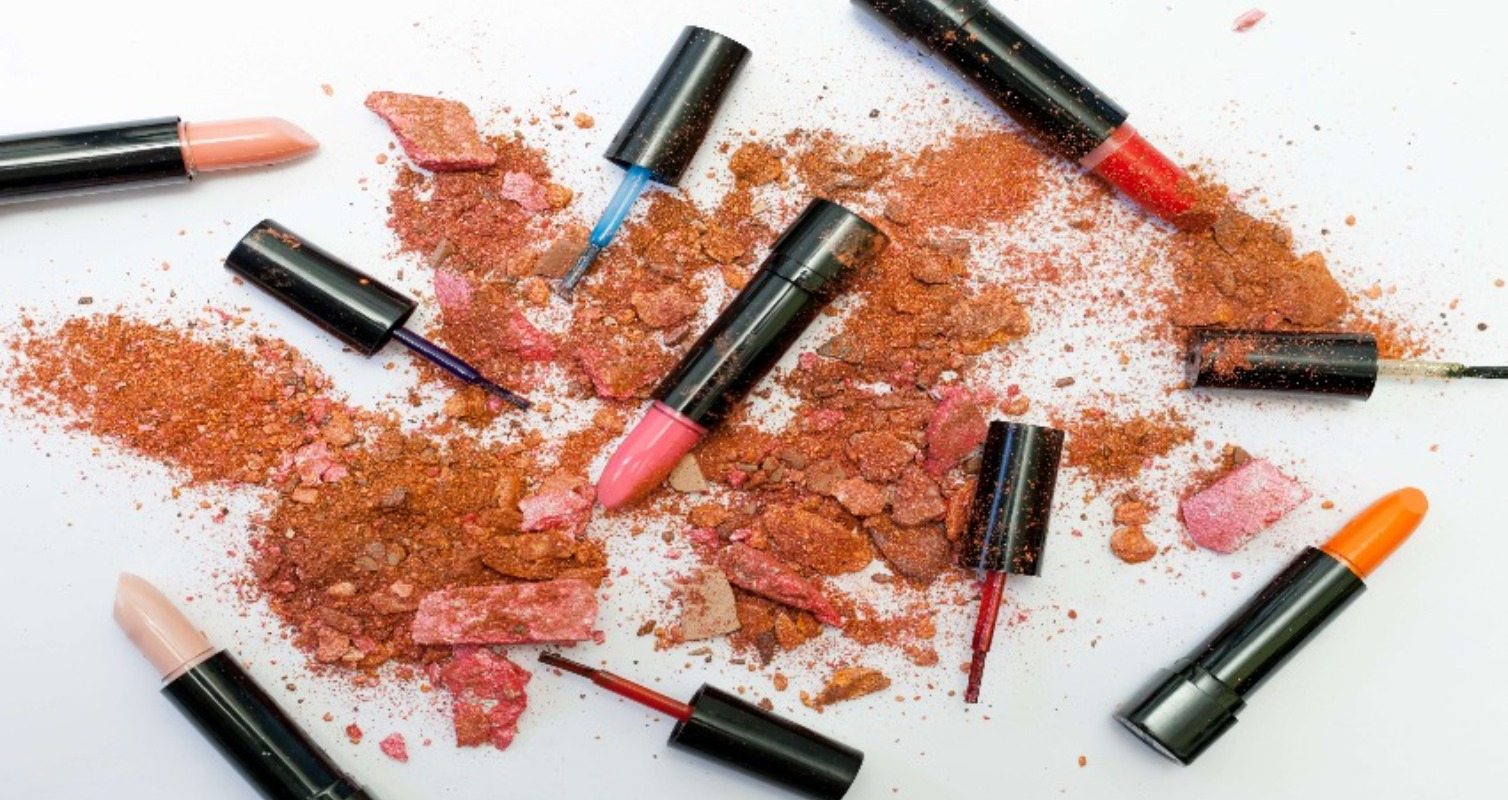
Vending Machine are usually synonymous with four finger KitKats and watered down hot drinks. For anyone rushing off to a date and lacking a few added extras, this Hong Kong Cosmetic Vending Machine is here for you.
There are so many times when I have been caught on the hop without some of my favorite beauty essentials, particularly when travelling late in the evening when shops are shut, and have been desperate for a couple of core items. This machine could put an end to all that stress and worry and ensure that you can always look your best, wherever you are.

History of Two Girls
By the end of the 19th century, Hong Kong was already an international city trading most of China’s cosmetics imports. But the foreign cosmetics were so expensive that only the expatriates and a handful of affluent families could afford them. Seeing an opportunity in the mass market, a young entrepreneur named Fung Fook Tien launched Two Girls through his company Kwong Sang Hong (KSH) in 1898.

There were different stories on how the Two Girls brand came into being. According to one version, Fung saw two beautiful women in street and found the inspiration. Another version said, an angel appeared in his dream and told him two girls would bring him fortune.
The prediction came true! Women loved Two Girls: the prices were 10 times lower than the imported cosmetics but the quality was comparable.
“Mr Fung aimed for the highest standard. All materials were imported from Britain and France,” explained Sue Chan, assistant Sales and Marketing manager of KSH.
Two Girls cosmetics were so popular that the products were often sold out in one day. In 1912, Two Girls already had 20 outlets in China and three in Southeast Asia.
The stunning success of Two Girls tempted many into the cosmetics business. There were also cases of counterfeits and deliberate imitations. Two Girls had to go to court to resolve the dispute. “Two Girls is a forerunner in Hong Kong’s intellectual property rights protection history,” said Chan.
In feudal society, women were not allowed to go out and suitable models were impossible to find. The “women” featured on the early Two Girls labels or advertisements were actually men disguised in women. The practice didn’t end until the 1920s.
Real women or not, Two Girls had been the ideal for elegant beauty in old Hong Kong. Posters and calendars of Two Girls were such a popular household decoration that they left an indelible mark on the city’s collective memory. Today, old Two Girls advertisements are staple of historical exhibitions and the inspiration for many artists.