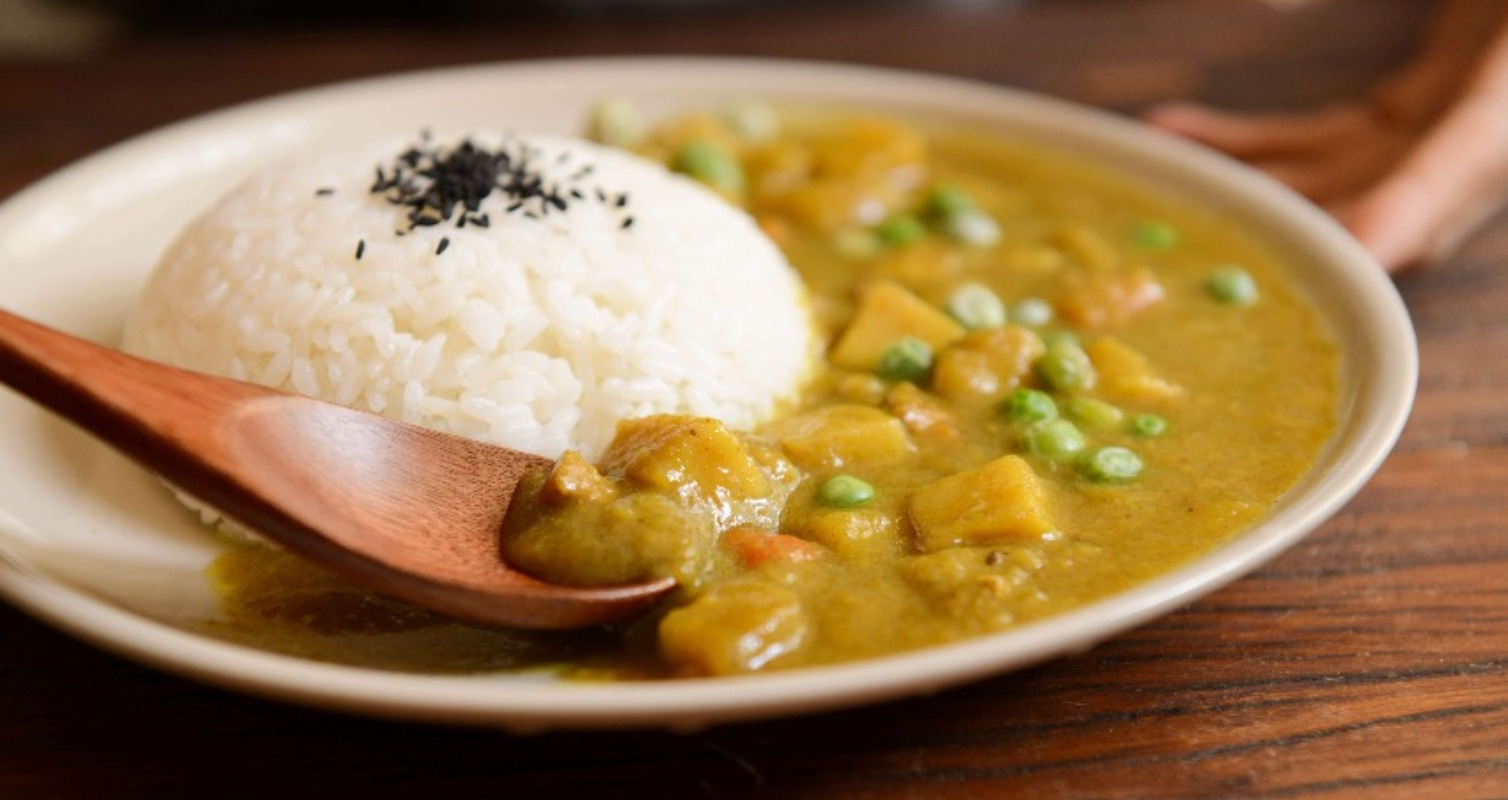
Japan’s legendary vending machine culture—boasting over 4 million units nationwide—extends far beyond drinks and snacks. Among its most fascinating innovations are hot food vending machines, including those that dispense curry rice (カレーライス, karē raisu), one of Japan’s most beloved comfort foods.
The Concept: Hot, Ready-to-Eat Meals at the Push of a Button
Unlike typical cold beverage or snack dispensers, curry rice vending machines are specialized automated hot food kiosks. They store freshly prepared or flash-frozen meals in temperature-controlled compartments and use built-in heating systems—often microwave or convection-based—to warm the dish just before dispensing.
When a customer inserts cash or taps a contactless payment card, the machine:
- Selects a sealed, compartmentalized meal tray (typically rice on one side, thick, savory curry with meat or vegetables on the other).
- Heats the meal in seconds.
- Delivers it through a slot, often with disposable chopsticks and a wet wipe.
The entire process takes under 30 seconds, offering a full, hot meal without human interaction—ideal for late-night workers, travelers, or solo diners.
Where You’ll Find Them
These machines are not as ubiquitous as drink vendors but appear in strategic high-traffic or remote locations:
- Highway rest stops (michi-no-eki or service areas on expressways)
- Rural train stations with limited dining options
- University campuses during exam periods
- Industrial zones near factories with night shifts
- Convenience store parking lots as meal extensions
Brands like JR East’s “EKIBEN” (station bento) vending machines and private operators such as Cocokara Fine or Tomen have experimented with hot meal dispensers, including curry rice, nikujaga (meat and potato stew), and omurice (omelet rice).
Why Curry Rice?
Japanese curry rice—thicker, sweeter, and milder than Indian or Thai curry—has been a national staple since the Meiji era (late 1800s). It’s:
- Affordable (typically ¥400–¥700, or $2.50–$5 USD)
- Filling and balanced (carbs + protein + vegetables)
- Universally liked across ages
- Easy to reheat without losing texture
Its popularity makes it a natural candidate for automated meal service.
Challenges and Evolution
Despite their ingenuity, hot food vending machines face hurdles:
- High maintenance costs (refrigeration, heating, restocking)
- Limited shelf life of fresh ingredients
- Competition from konbini (24-hour convenience stores like 7-Eleven or FamilyMart), which offer similar meals at comparable prices with more variety
As a result, many dedicated curry rice vending machines have declined since the 2000s. However, they’ve evolved into multi-functional hot food kiosks that rotate seasonal or regional dishes—sometimes including curry as a standard option.
Cultural Significance
The curry rice vending machine embodies core Japanese values:
- Omotenashi (hospitality through seamless service)
- Efficiency and automation
- Food safety and consistency
- Respect for solo dining culture
It also reflects Japan’s unique ability to blend tradition (homestyle curry) with cutting-edge technology.
Fun Fact
In 2020, a company in Hokkaido launched a fully robotic curry stand that functions like a high-end vending machine—grinding spices, simmering sauce, and plating rice in real time. While not a classic vending machine, it shows how the spirit of automated curry lives on.
In summary:
While no longer commonplace, the curry rice vending machine remains an iconic example of Japan’s commitment to convenience, culinary comfort, and technological innovation—proving that even a humble bowl of curry can be delivered with futuristic flair.