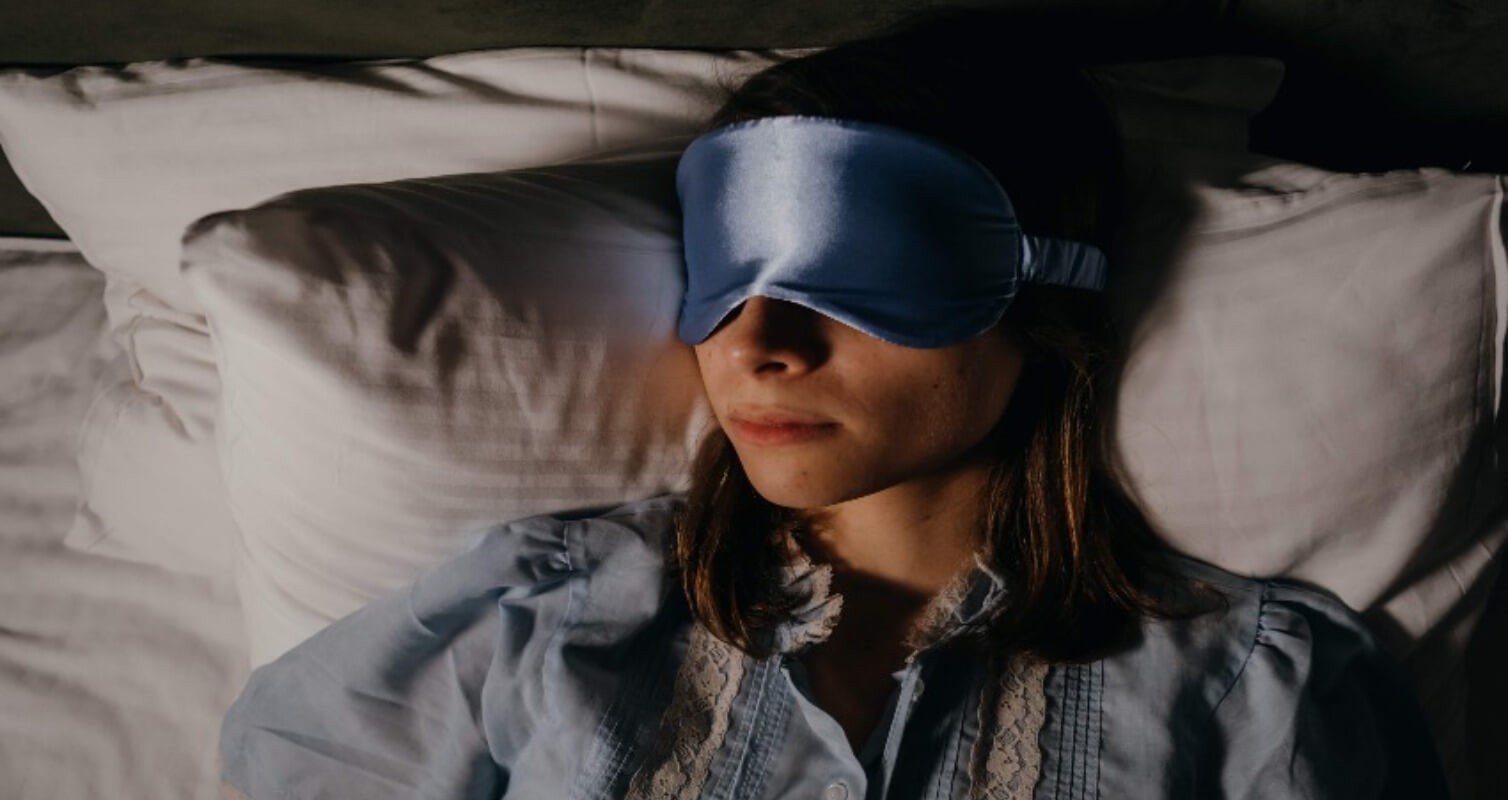
While vending machines are traditionally associated with snacks, drinks, or small essentials, a growing trend in automated retail has brought unexpected items to the forefront—including pajamas. Though still niche, pajama-dispensing vending machines represent a blend of travel convenience, emergency preparedness, and lifestyle innovation.
Where and Why They Exist
These machines are typically found in high-traffic, overnight environments where people might unexpectedly need sleepwear:
- Hotels & Airports: Some international airports (e.g., Tokyo Narita, Singapore Changi, and select European hubs) have tested “Emergency Essentials” vending kiosks that include travel-sized toiletries, socks, underwear—and disposable or reusable pajamas.
- Hospitals: In countries like Japan and South Korea, visitor-friendly hospitals sometimes offer overnight care kits, including soft cotton pajamas, for family members staying with patients.
- University Dorms & Hostels: Pilot programs in Europe have installed late-night amenity machines in student housing, offering affordable sleepwear for forgotten or last-minute needs.
- Spa & Onsen Resorts (Japan): Many traditional Japanese inns (ryokan) and hot spring resorts provide yukata (light cotton robes) via in-room closets—but some modern facilities now use smart lockers or vending-style dispensers for hygiene and contactless service.
Design & Product Features
Pajama vending machines are typically:
- Temperature-controlled or climate-sealed to maintain fabric cleanliness.
- Stocked with vacuum-sealed, single-size or adjustable-fit sets (often unisex).
- Made from breathable, hypoallergenic materials (e.g., cotton or bamboo blends).
- Priced between $10–$25 USD, depending on quality and location.
Some machines even offer eco-friendly options—reusable pajamas that can be returned via a separate bin for laundering and reuse, supporting sustainability.
Real-World Examples
- Japan: Companies like Panasonic and Fujitex have trialed “Smart Amenity Stations” in Tokyo business hotels that dispense sleepwear alongside toothbrushes and eye masks.
- Germany: In 2023, a Berlin startup launched “NachtMode” kiosks in select hostels, offering organic cotton pajama sets via QR code purchase.
- UAE: Luxury airport lounges in Dubai International have discreet dispensers for premium sleep kits—including silk pajamas—for premium passengers.
Why It Makes Sense
- Hygiene & Privacy: Travelers may not want to sleep in street clothes.
- Forgotten Luggage: Missed connections or delayed bags create urgent needs.
- Contactless Service: Post-pandemic demand for touch-free solutions boosts automated retail.
- Impulse + Necessity: Unlike luxury items, pajamas fulfill a genuine, time-sensitive need.
Challenges
- Sizing limitations
- Higher cost per unit compared to bulk retail
- Limited consumer awareness
The Bottom Line
While not yet common, pajama vending machines reflect a broader shift toward hyper-convenient, human-centered automation. As smart retail expands beyond snacks into personal care, apparel, and wellness, the humble pajama may just become the next staple of the 24/7 vending world—proving that sometimes, the most unexpected comforts are just a button press away.