Current circulating coins and vending machines share a practical, interdependent relationship: vending machines rely on standardized coin specifications to operate reliably, while coin design and circulation are often influenced by the technical needs of these machines.
Key Points:
- Strict Technical Requirements
Vending machines use sensors to verify a coin’s diameter, thickness, weight, and electromagnetic signature. This means circulating coins must maintain precise, consistent physical properties—any deviation (due to wear, counterfeiting, or foreign coins) can cause rejection or jams. - Influence on Coin Design
Many modern coins are engineered specifically for machine readability:- Bimetallic coins (e.g., UK £2, Euro €1/€2) are harder to counterfeit and easier for machines to identify.
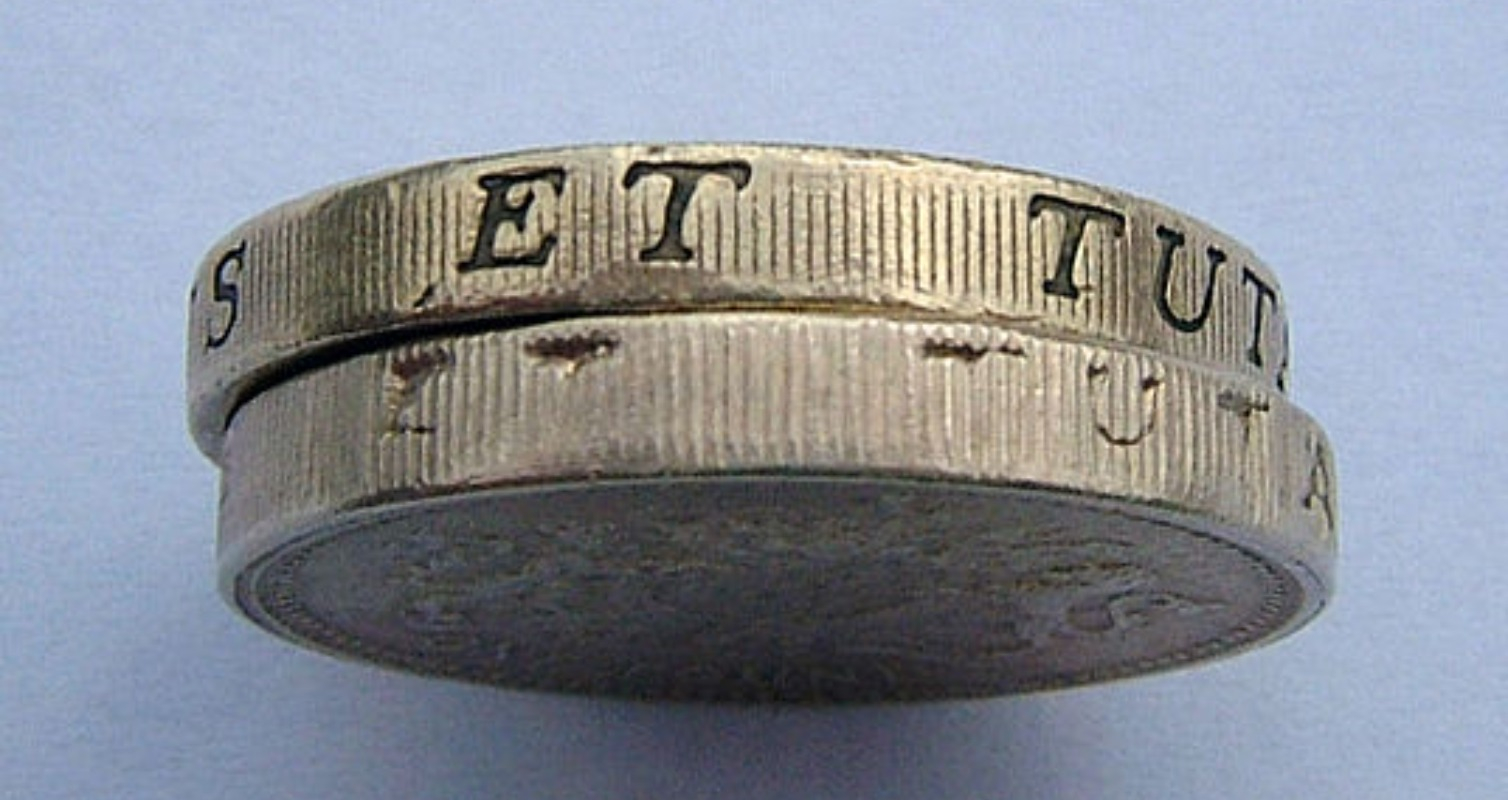
- Milled edges, grooves, or segmented rings help distinguish denominations.
- Countries like Canada and Sweden have even eliminated low-value coins (e.g., 1¢, 2¢) partly because they’re inefficient for vending systems.
- Regional Compatibility Issues
Similar-looking coins from different countries (e.g., Filipino ₱10 vs. UAE 1 dirham) sometimes trick older vending machines—leading to fraud or the need for updated validators. - Declining Coin Use
As contactless payments grow, fewer people carry coins, reducing their circulation. In response, some vending operators disable coin slots or offer cashless-only machines, accelerating the shift away from physical change. - Coins as “Machine-Tested” Currency
Coins that remain in active vending circulation tend to be heavily worn—making uncirculated or near-perfect examples more valuable to collectors (numismatists).
Final Note:
Today’s circulating coins are designed with vending machines in mind, ensuring smooth commerce. But as society moves toward digital payments, the role of coins in vending—and daily life—is gradually shrinking.