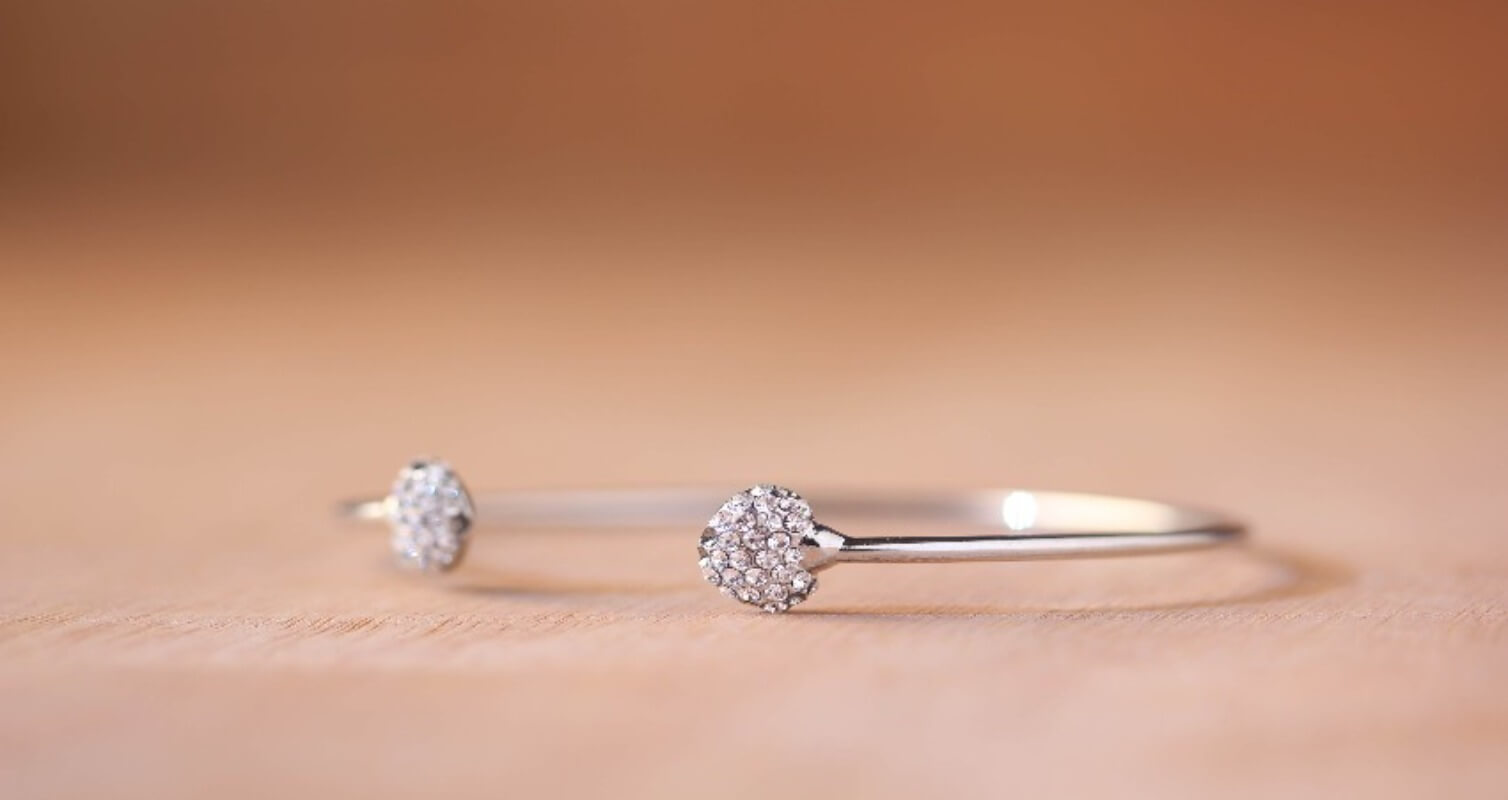

In 2011, New York City’s trendy Hudson Hotel—a Philippe Starck–designed boutique hotel nestled in Midtown Manhattan—made headlines with an audacious fusion of high fashion, automation, and impulsive luxury: a vending machine that sold diamond bracelets.
Dubbed a “bling machine” by the press, this gleaming, high-security dispenser was installed in the hotel’s lobby as part of a collaboration with luxury jewelry brand Links of London (then owned by the Folli Follie Group). Unlike the soda-and-snack dispensers most associate with vending machines, this unit showcased sterling silver and 18-karat gold bracelets, some adorned with genuine diamonds, priced between $250 and $2,500.
A Statement in Retail Theater
The concept wasn’t just about convenience—it was experiential retail as performance art. Positioned near the hotel’s dramatic spiral staircase and velvet-draped seating areas, the machine embodied the Hudson’s ethos: sleek, playful, and slightly surreal. Guests—often fashion insiders, celebrities, or affluent travelers—could browse sparkling jewelry 24/7 without interacting with a salesperson, appealing to those craving spontaneity or discretion.
The machine itself was a feat of design and security:
- Climate-controlled interior to protect delicate pieces
- Tempered glass and anti-theft mechanisms
- Soft LED lighting that highlighted each bracelet like a museum display
- Touchscreen interface with product details and brand storytelling
Why a Vending Machine for Fine Jewelry?
The initiative tapped into several cultural currents of the early 2010s:
- The rise of “affordable luxury”—high-end items presented in accessible formats
- The allure of instant gratification in the digital age
- The blending of hospitality and retail, turning hotel lobbies into lifestyle destinations
As one hotel executive noted at the time: “If you can order room service at 2 a.m., why not buy a diamond bracelet?”
Media Buzz and Cultural Impact
The machine garnered widespread media attention, featured in Vogue, The New York Times, BBC, and CNBC, often framed as a symbol of eccentric urban luxury. Critics questioned its practicality, but supporters hailed it as a bold experiment in democratizing luxury retail—or at least, making it more theatrical.
Though the Links of London vending machine was likely a limited-time installation (and Links of London later faced financial difficulties), it left a lasting imprint on conversations about retail innovation, consumer behavior, and the boundaries of automation.
Legacy
While diamond bracelet vending machines never became commonplace, the Hudson Hotel’s 2011 experiment remains a cult favorite in the annals of unconventional retail—a shimmering reminder that in the right context, even the most precious objects can find a home behind glass, waiting for a curious traveler with a credit card and a sense of whimsy.
💎 A press of a button, a soft chime—and just like that, luxury was dispensed.