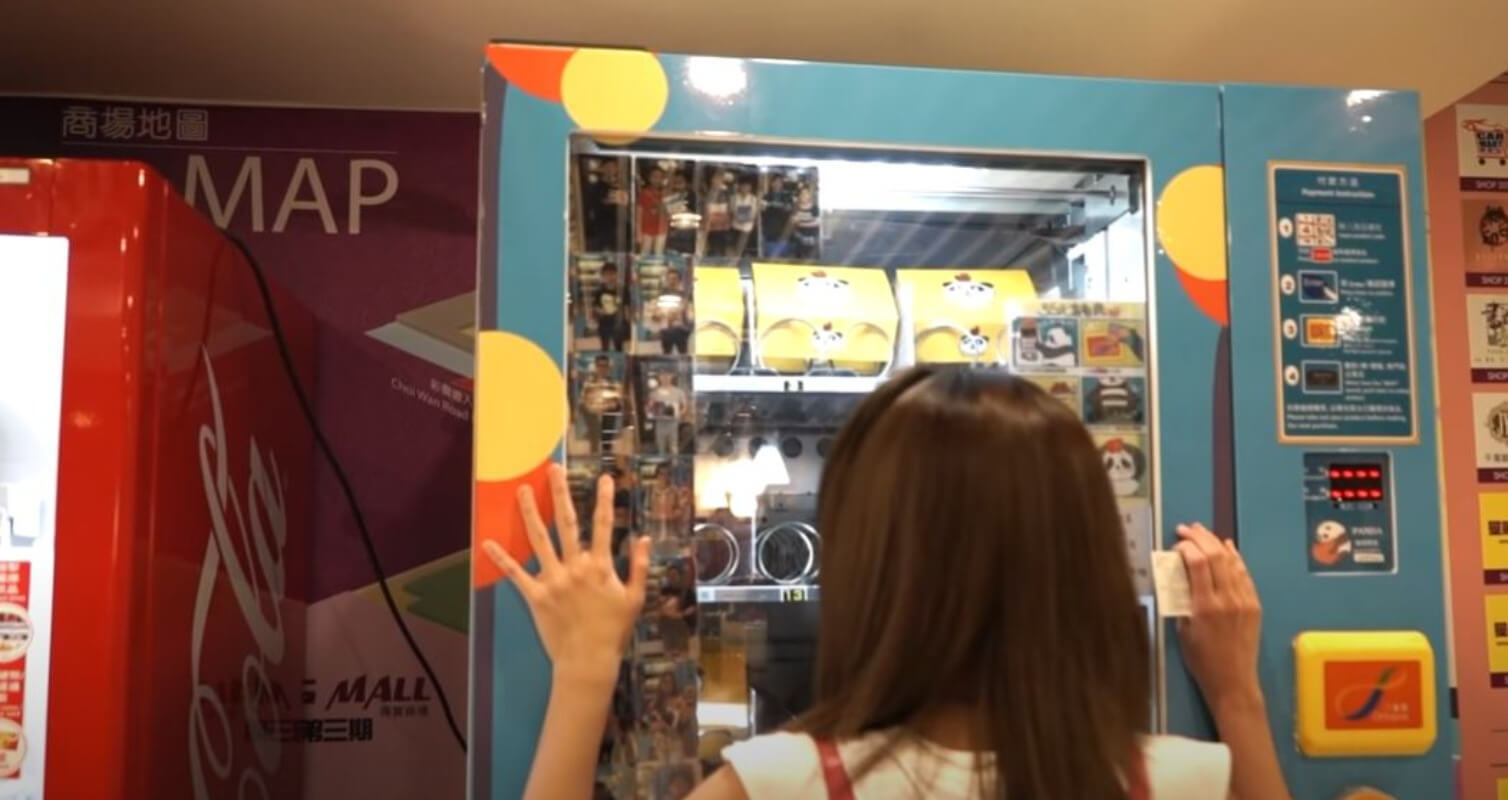
Hong Kong famous Youtuber, Kimi is playing with Mystery boxes Vending machine.
Mystery boxes in Vending Machine represents an intriguing blend of surprise and instant gratification, offering customers a product or prize selected at random. One interesting fact about mystery boxes in vending machines is their ability to create a unique customer experience by leveraging the thrill of unpredictability. This concept taps into the human fascination with surprises and the excitement of not knowing exactly what you’re going to get, which can be especially appealing to collectors, gamers, and novelty seekers.
Gachapon machines
A notable example of this approach is seen in Japan, where ‘gachapon’ machines, akin to vending machines, dispense capsules containing random toys, figures, or collectibles. These machines are popular for offering everything from anime character figurines to practical joke items, often themed around current trends or classic favorites. The limited edition and exclusive items sometimes found in these machines encourage repeat engagement and can foster a community aspect among enthusiasts who trade or collect the items.
Incorporating mystery boxes into vending machines enhances user interaction and provides a fun, engaging experience that goes beyond the typical transactional nature of such machines. It’s a strategy that has been successfully applied in various settings to increase foot traffic and generate buzz around products or promotions.
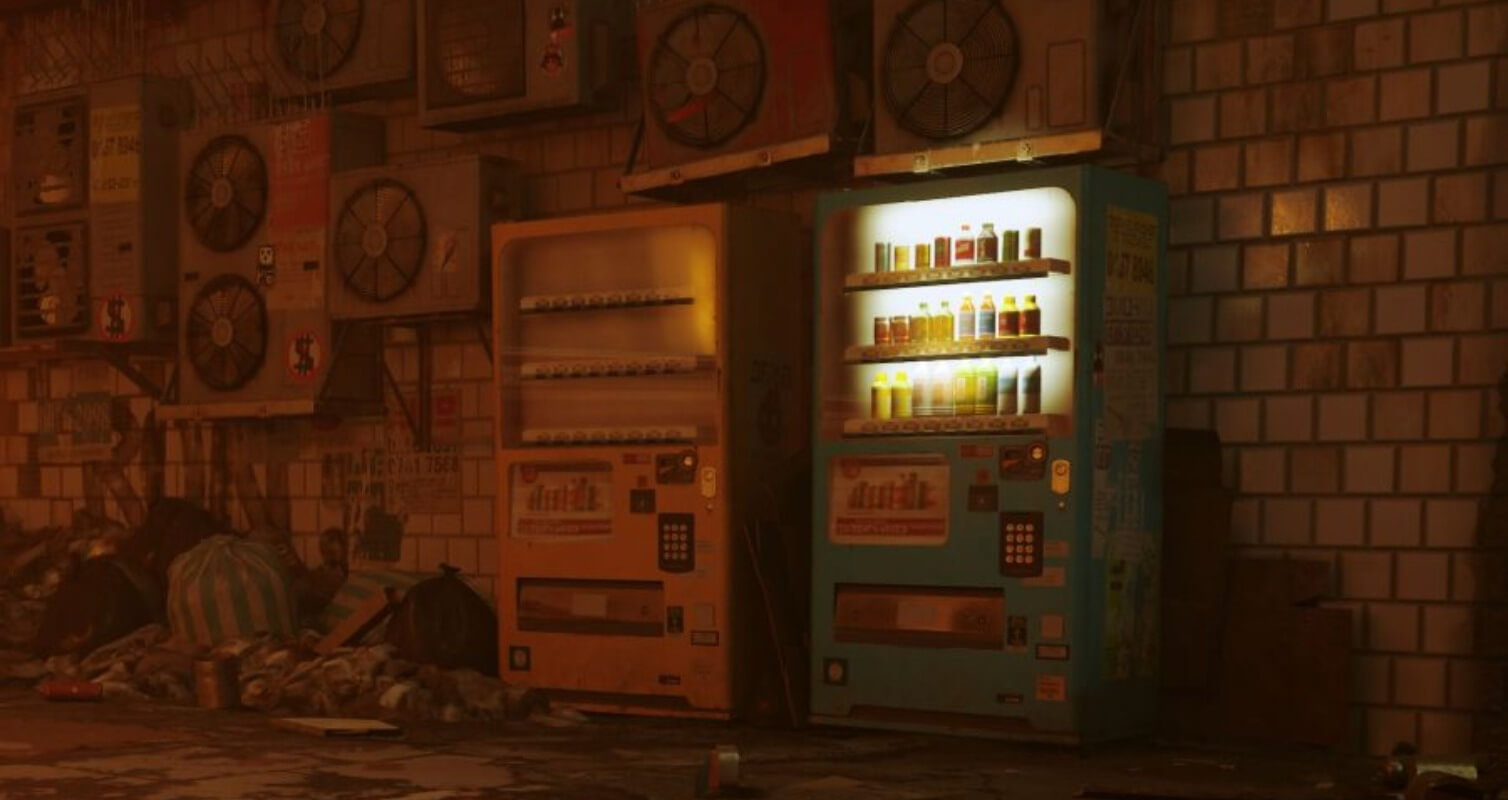
In the cyberpunk cat adventure Stray (2022, BlueTwelve Studio), vending machines are a key collectible feature in Chapter 4: The Slums. These colorful, robot-made kiosks (post-human extinction lore) dispense Energy Drink cans labeled “Speed 2K” (revealed as roasted coffee via texture). There are exactly four, each yielding one can—no coins required, just cat antics. They’re barter currency for progression and badges, blending exploration with trading.
How they work
Spot ‘Em: Look for lit-up colored machines (ignore dark/white human relics). They’re scattered in alleys, roofs, and balconies amid neon signs and robot life.
Dispense: Jump up, interact with the keypad (meow-prompt). The can ejects to the ground—grab it with your cat mouth.
No Puzzles: Straightforward; cans sometimes roll away, so listen for the clink.
Interacting with the vending machine by pressing Triangle will spit out an Energy Drink for you to collect. It can be traded for different collectibles, including Sheet Music, and one of the collectible Memories.
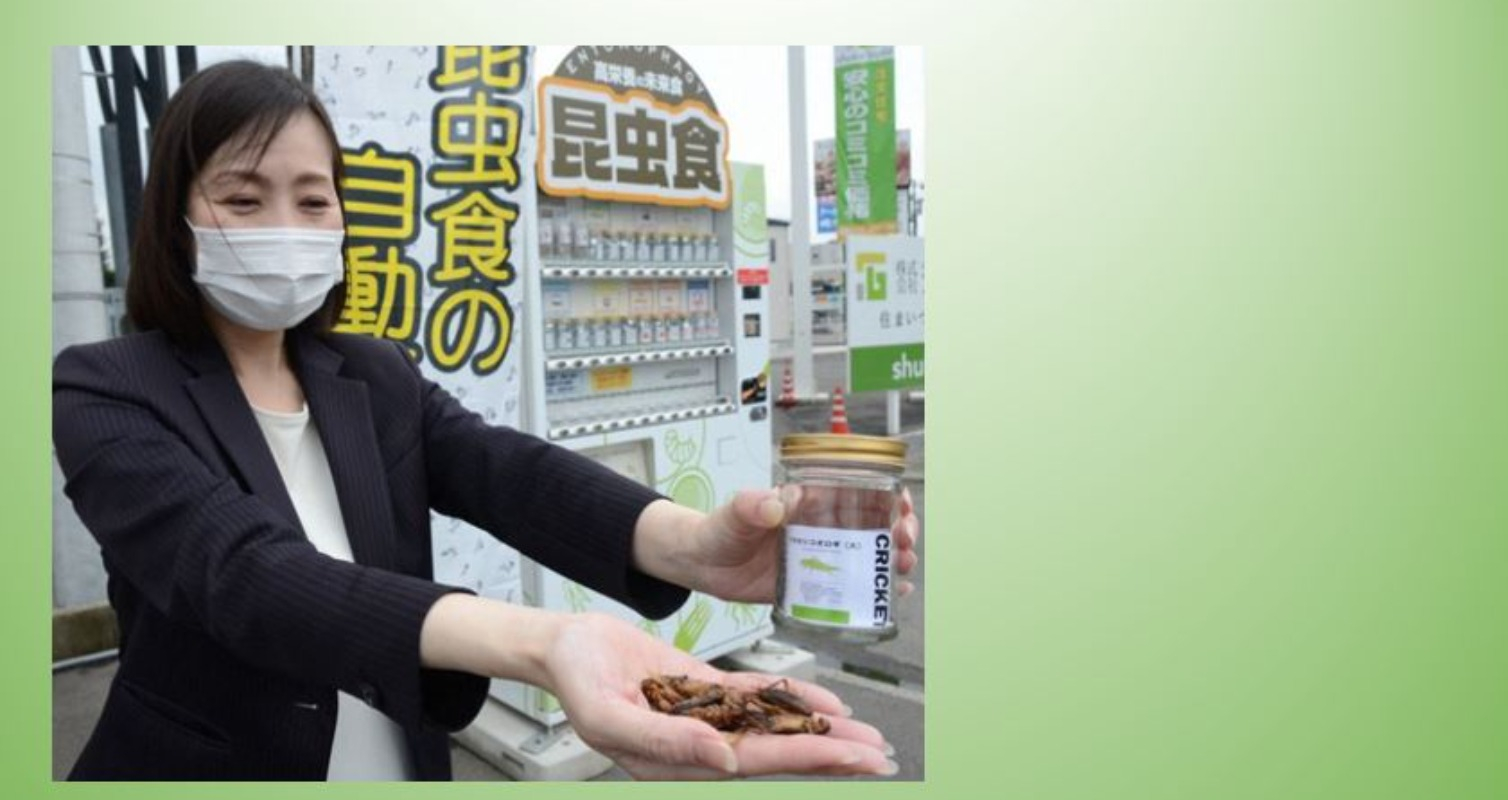
A Vending machine, which promotes the snacks as “highly nutritious meals of the future,” was set up in the city of Matsuyama, Ehime Prefecture.
Nine types of insect snacks, including fried crickets, mole crickets, bamboo worms, diving beetles, locusts and silkworm pupae, are sold for 1,000 yen (about US$8) each. The aim is to contribute to the realization of the United Nations’s Sustainable Development Goals (SDGs).
Why Insect Snacks in Ehime?
Sustainability push: Japan’s Ministry of Agriculture, Forestry and Fisheries (MAFF) has been promoting insects as eco-friendly protein since 2020.
Regional innovation: Ehime Prefecture supports food tech startups and agrifood diversification. Matsuyama, as the largest city in Shikoku, is a natural testbed.
Tourism angle: The machine attracts curious travelers—especially those visiting Dōgo Onsen, one of Japan’s oldest hot springs, located just a short walk from Matsuyama Station.
Context: Insect Snacks in Japan
While still niche, edible insects are gaining traction in Tokyo, Osaka, Sapporo, and now regional cities like Matsuyama.
Other places to try them: Tsukiji Outer Market (Tokyo), Depachika food halls, and specialty izakayas.
Japan hosts the annual “Insect Cuisine Festival”, and brands like Bento&co and Chirps (Japan branch) distribute nationwide.
Key advantage of eating Insect Snacks:
Nutritional Value: Insects like crickets, mealworms, and ants are rich in high-quality protein, containing all nine essential amino acids. They also provide healthy fats, vitamins (such as B12), minerals (like iron and zinc), and fiber, contributing to a balanced diet.
Sustainability: Insect farming is much more sustainable compared to traditional livestock farming. Insects require significantly less water, feed, and space, and they produce fewer greenhouse gases. This makes insect-based foods a more environmentally friendly option for protein consumption.
Resource Efficiency: Insects convert feed into protein much more efficiently than traditional livestock. For example, crickets need 12 times less feed than cattle to produce the same amount of protein.
Low Risk of Disease Transmission: The risk of diseases transmitted from insects to humans is relatively low compared to that from conventional livestock such as cows, pigs, and chickens, which can carry diseases like swine flu or avian flu.
Versatility: Insect snacks come in various forms, including whole insects, insect powders, and mixed into energy bars or chips, making them easy to incorporate into daily diets. Their versatility also extends to different cuisines and cooking methods.
Support for Local Economies: In many parts of the world, particularly in Asia, Africa, and Latin America, harvesting insects provides a source of income for local communities. As the global demand for insect-based products grows, this could offer new economic opportunities worldwide.
An NFT Vending Machine is launched by Neon, an NFT marketplace and gallery built on the Solana blockchain. It is debuted in February 2022 at 29 John Street in Lower Manhattan’s Financial District (FiDi), just off Wall Street. This location was chosen to make digital art accessible in a high-traffic, finance-heavy area, targeting “crypto-curious” newcomers who might find traditional NFT buying intimidating.
NFT Vending Machine
How it worked
Setup: Housed in a small, 24/7 neon-lit storefront resembling a gallery booth, the machine looked like a classic vending machine but dispensed small paper boxes (like cigarette packs or Easter egg capsules) containing a QR code or redemption slip.
Purchases: No crypto wallet or blockchain knowledge required—pay with USD via credit/debit card (or Bitcoin). Prices ranged from $5.99 for a random “color” NFT (a unique digital swatch represented on the blockchain) to $420.69 for a “Party Pigeon” NFT (grungy, randomized pigeon artwork by artist Typfy).
The Surprise Element: Buyers wouldn’t know exactly which NFT they’d get until scanning the code on Neon’s platform, adding a fun, lottery-like thrill. Once redeemed, the NFT was yours to collect, trade, or display—transactions were carbon-neutral via Solana.
Goal: Demystify NFTs by making them as easy as grabbing a soda, supporting artists like Typfy while onboarding non-crypto users.
A biometric vending machine to distribute grains directly to rations recipients has won an award from the WFP Innovation Accelerator as one of the top innovations for helping prevent hunger, India Education Diary reports.
Beneficiaries can use their ration card to claim eligibility using a built-in touchscreen, according to News18.com, and authenticate their identity with biometrics. The GrainATM can reportedly issue 70kg of grains in as little as five minutes with negligible error in measurement.
It has potential use for food-based safety nets, food grain distribution during emergencies, and increasing market access for smallholder farmers.
Ankit Sood, WFP India Head Supply Chain and PDS Unit
Launched in June 2022, the Tiny Art Vending Machine is a whimsical curatorial project by Windsor-based artist Kristina Bradt, transforming a classic gumball dispenser into a portal for affordable, surprise miniature art. Funded by a $3,000 grant from the City of Windsor’s Arts, Culture & Heritage Fund, it commissions local and regional artists to create bite-sized works that fit into vending capsules—evoking childhood nostalgia while democratizing access to original pieces. Bradt, a Sipekne’katik (Mi’kmaq) artist known for her “still life storytelling” that spotlights overlooked objects, aimed to support underrepresented creators and spark joy in the Windsor-Essex community. It’s not just vending—it’s a low-barrier entry to art collecting, with every spin funding future commissions.
How It Works: Twist for a Treasure
The Machine: A retro-style capsule vendor (repurposed for art) stocked with sealed plastic eggs or tubes. Insert two loonies ($2 CAD? Wait, toonies—two $2 coins for $4 total), give it a crank, and out pops a surprise artwork plus an artist bio card.
The Thrill: Blind-box mechanics mean no peeking—odds favor variety, but rares (like limited-edition prints) add gamble. Capsules protect pieces during delivery, and the machine’s portable for pop-ups.
Accessibility Focus: At $4 a pop, it’s cheaper than a coffee, making art “as easy as grabbing a snack.” Bradt emails artists with the fun prompt: “Make tiny art for a vending machine?”—sparking playful, scale-constrained creativity.
The Art Inside: Mini Masterpieces
Initial lineup featured five southwestern Ontario artists, each producing 50–100 pieces in diverse media. Themes? Whimsical, personal, and tiny-scale wonders:
Artist
Medium
Sample Piece
Vibe
Various (e.g., local Windsor talents)
Digital prints
Abstract patterns or portraits
Digital dreams in pocket size.
Linocut specialists
Hand-carved prints
Mini landscapes or figures
Tactile, folksy folk art.
Screen printers
Posters
Tiny motivational quotes or scenes
Bold, graphic pops of color.
Sculptors
Clay objects
Whimsical figurines or charms
3D surprises you can hold.
Literary creators
Stickers/Keychains
Word-art or poetic notes
Wearable wisdom or desk decor.
Bradt rotates artists seasonally, ensuring fresh drops—nothing’s “big” here; everything’s designed to fit a 2–3 inch capsule.
Locations and Pop-Ups in Windsor-Essex
The machine’s nomadic, hitting community hotspots to maximize serendipity. Early 2022 stops included markets and festivals; it’s since become a staple for events:
Spot
Details
When/Notes
Windsor Public Markets
Outdoor market vibes; easy access for families.
Summer 2022 launch; recurring weekends.
Art Windsor-Essex Workshops
Tied to Bradt’s classes (e.g., digital drawing for seniors).
2024–2025 events; pairs with her print challenges.
Artcite Inc. (Artist-Run Centre)
Bradt’s programming hub; indoor exhibit tie-ins.
Ongoing; where she coordinates as Programming Coordinator.
Community Festivals
Pop-ups at local fairs or markets across Essex County.
Seasonal; check @kristinabradt on Instagram for alerts.
It’s traveled “across the city,” from breweries (nod to her Collective Arts collabs) to public art walks.
Latest Status
Still spinning! Bradt’s project endures as a community anchor—now in its third year, with fresh commissions and ties to her 2024 “366 Prints Challenge” (one print daily for a leap year). CBC coverage in 2022 called it a “treasure trove,” and it’s inspired similar micro-art initiatives in Ontario
The push for campus vending machines to dispense the pregnancy-preventing medication has grown since the U.S. Supreme Court overturned Roe v. Wade.
While emergency contraception — which can be used after unprotected sex to prevent pregnancy — is available without a prescription, it’s often locked up or must be specifically requested at a pharmacy counter.
Some pharmacies don’t have the medication in stock, and finding a pharmacy that does can require driving miles away — another barrier for students without cars.
While students have led most efforts, they’re now finding additional support from public officials.
About Plan B:
Plan B contains a high dose of levonorgestrel, a synthetic hormone similar to progesterone. This ingredient works primarily by preventing or delaying ovulation, thereby reducing the chances of fertilization. It’s important to note that Plan B is effective only before pregnancy is established and does not terminate an existing pregnancy.
One lesser-known fact is that the effectiveness of Plan B in preventing pregnancy diminishes with time after unprotected sex or contraceptive failure. It is most effective when taken within 72 hours (3 days), but it can be taken up to 120 hours (5 days) afterward, though with decreased efficacy beyond the initial 72-hour window.
As part of its aggressive fight against the opioid crisis—where accidental overdoses claimed nearly 900 lives in 2021 alone (a 55% spike from 2020)—the County of San Diego launched a Naloxone Distribution Program in 2022.
Naloxone (brand name Narcan) is a fast-acting nasal spray that reverses opioid overdoses by restoring breathing, buying critical time for emergency help.
The program’s crown jewel, Free vending machines stocked with naloxone kits and fentanyl test strips, open to anyone 18+ (no ID required). These aren’t pay-to-play; they’re harm reduction lifesavers, aligning with the county’s Comprehensive Harm Reduction Strategy.
The initiative aimed to distribute 33,000 kits by mid-2023 (goal smashed with 33,160+ delivered), and vending machines were a key tool for stigma-free access. Pioneered by the Behavioral Health Services (BHS) Harm Reduction Team, these machines even include on-screen training videos to guide users step-by-step.
The county rolled out 12 machines initially, with upgrades bringing the total to 16 across diverse spots like detention facilities, clinics, and recovery centers. No expansions planned, but they’re heavily used—preliminary data shows steady demand.
These machines have normalized naloxone access, reducing barriers in a county where fentanyl-laced drugs drive 80%+ of overdoses.
Naloxone is a proven life saver in overdose situations and San Diego County Behavioral Health Services and its partners are working hard to expand access. The enhanced distribution of naloxone into the hands of community members is vital in saving lives that might otherwise be lost to overdose.
Nicole Esposito, San Diego’s chief population health officer.
Further notes: Strategic Locations
Naloxone and equivalent machines are often placed in “high-risk” or high-traffic areas where overdoses are more likely to occur or where vulnerable populations gather:
Rural Areas: To bridge the gap in regions where pharmacies are scarce or far away.
Public Health Hubs: Outside hospitals, community health centers, and syringe exchange programs.
High-Risk Zones: Near shelters, parks, libraries, and transit stations.
Nightlife Districts: In areas with bars and clubs to address accidental overdoses from mixed substances.
Benefits & Impacts
Immediate Access: Time is critical during an overdose. These machines ensure that bystanders can get help instantly without waiting for a pharmacist or doctor.
Anonymity & Reduced Stigma: Many people hesitate to ask for Naloxone at a counter due to fear of judgment. Vending machines offer a private, non-judgmental way to obtain the medication.
Cost-Effectiveness: They are significantly cheaper than staffing a 24-hour clinic and prevent costly emergency room visits and fatalities.
Community Empowerment: They put the power to save lives directly into the hands of friends, family, and strangers who might witness an overdose.
Global Adoption
United States: Widespread adoption in states like Massachusetts, New York, California, and Ohio. Many are funded by state health departments or non-profits.
Canada: Cities like Vancouver and Toronto have deployed them extensively as part of their public health response to the opioid epidemic.
Europe: Growing presence in countries like Germany, France, and the UK, often managed by local NGOs.
Australia: Piloted in various states to support harm reduction initiatives.
The Battle Creek Homless Shelter has a new vending machine, but it doesn’t offer chips, candy or drinks. Instead it provides people 24/7 access to the anti-overdose medication Narcan with ‘no questions asked.”
Free boxes of of the medication that reverses opioid overdoses are dispensed from the machine, marking the latest effort to make it more accessible to the public as the number of overdoses continues to climb locally and across the nation.
We are very excited to have the Narcan vending machine implemented and to have this medication available to everyone at any time. We have been trying to keep up with demand through personal and online trainings, but we felt that the distribution was suffering because the kits were limited to being handed out person-to-person.
Dawn Smith, executive director of the nonprofit Substance Abuse Council
“Now we feel we have a better solution to get Narcan in the hands of the people who can immediately assist someone in need and remove the barrier of accessibility,” she added.
Each box contains two doses of the medication with instructions for how to administer it, as well as gloves, a rescue mask and resource information for treatment.
“There (are) other locations where you can get Narcan kits, but to have it where you can just go and get it with no questions asked, no forms to fill out, no information needed (is great),” Smith said. “You can just get it for whatever reason you need it, whether it’s for a loved one or a friend, whatever it may be … To remove all those barriers so you can access this medication, we’re really proud of that.”
Narcan Vending Machine (credit: Forsyth County Sheriff’s Office)
In a heartwarming (and slightly controversial) twist on holiday gifting, single mom Ciearra Baker from St. Louis, Missouri, surprised her young son and daughter with a fully stocked vending machine for Christmas 2021. Instead of toys or gadgets, the 30-something mompreneur opted for a practical lesson in business basics, dubbing her kids “young bosses in the making.” The move, shared via a viral Facebook post, sparked a heated online debate about parenting, privilege, and the value of “real-world” gifts over instant gratification.
The Gift That Keeps on Giving (Literally)
Baker, who runs Kidz Glam Kloset—a mobile children’s fashion boutique—posted a photo of her beaming children posing beside the snack-filled machine on Christmas Eve. In her caption, she explained her philosophy: “I’m not buying toys… my kids most definitely will understand life is not easy and making the right choices with money & etc… So I came up with the idea to invest in vending machine for the kids as Christmas gift.” The machine came pre-loaded with starter snacks (think chips, candy, and sodas), turning playtime into profit time. Her goal? Teach them inventory management, customer service, and passive income from day one—skills she’d honed in her own business.
At the time, her kids were young (exact ages undisclosed, but estimated elementary-school range), and Baker involved her daughter in promoting Kidz Glam Kloset, hinting at family teamwork from the start.
Viral Fame
The post exploded, racking up thousands of shares and comments. Supporters hailed Baker as a visionary: Reality TV star Masika Kalysha called it a “dope ass gift,” while others shared stories of wishing their own parents had done the same.