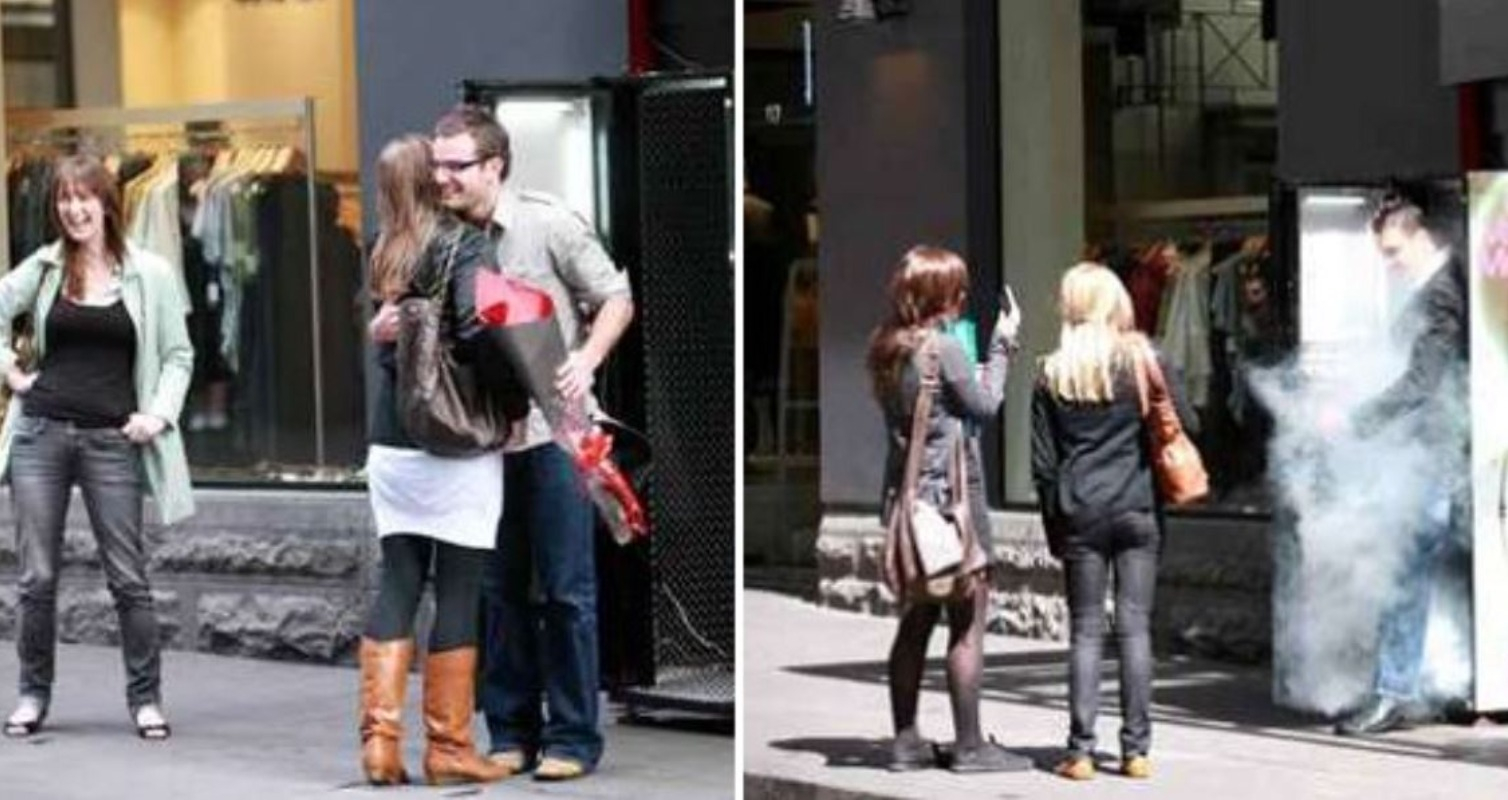
Unfortunately, there’s no easy fix when it comes to work place incidents. WorkSafe Victoria brought to life the terrifying consequences of work place incidents with this striking installation. A Workplace Safety Vending Machine designed to sell spare body parts.
The Body-O-Matic machine was first unveiled at the National Careers and Employment Expo and on a statewide tour of worksites and training facilities.
Key Details:
Launch Date: April 2009
Location: High-traffic public areas in Melbourne, Australia (e.g., train stations, shopping centers)
Creators:
WorkSafe Victoria (government safety regulator)
Lifelounge (creative agency)
OddStudio (special effects/prosthetics studio)
Purpose: Highlight preventable workplace injuries (over 1,000 amputations and thousands of serious injuries annually in Victoria at the time)
Pricing (ironic): $1.50–$2.50 per “body part”
Tagline: “You can’t replace your body parts.”
The campaign used guerrilla marketing and visceral shock value to drive home the message: workplace safety isn’t optional.
It became a global viral sensation, praised for its bold creativity and lasting impact on public awareness.
Standard Hotels (part of the André Balazs Properties) has partnered with Quiksilver (often stylized as Quicksilver) to sell exclusive, co-branded swimsuits via innovative poolside vending machines. This collaboration launched as a stylish solution for forgetful guests wanting a spontaneous dip, blending luxury hospitality with surf-inspired apparel. It debuted in 2009 and evolved through seasonal updates, emphasizing 24/7 convenience and local flair.
What It Was
Concept: High-tech vending machines stocked with limited-edition swimsuits—no more skipping the pool because you packed light. The machines feature touchscreens for product previews, credit card payments, and even live video streaming of the pool vibe. Beyond suits, some stocked extras like $10 zines, local artwork, or sunscreen.
Products:
Men’s Boardshorts: Ultralightweight, rash-preventing “diamond dobby” stretch fabric with retro scalloped legs. Priced at $75, they came in waterproof travel bags and featured “Quik City Guides” printed on the waistbands—hand-scribbled recommendations from Quiksilver’s creative director Natas Kaupas for city hotspots (e.g., “Art Undercover” in LA, “Comida is Cuban” in Miami).
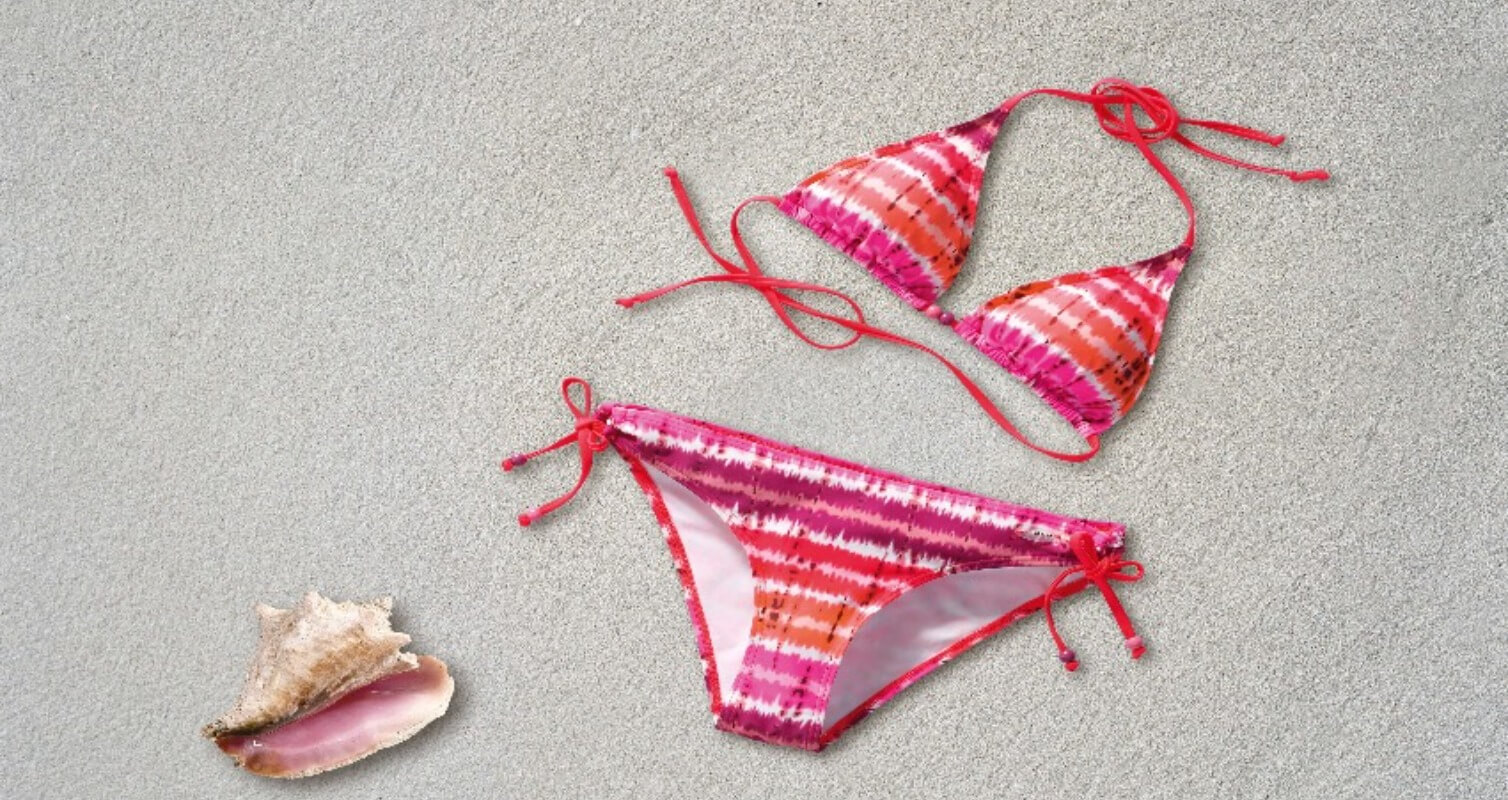
Women’s Bikinis: A sleek, reversible black style with three-button details, priced at $84–$88. Limited options, but designed for quick poolside style.
Sizes and Styles: Boardshorts in even waists (30–36); bikinis in three sizes. City-specific designs tied to Standard’s locations.
Purpose: To extend the “24/7 lifestyle” of Standard Hotels, letting guests outfit themselves anytime—even late-night—without hitting a store. It was a progressive marketing play, reaching impulse buyers in a fun, experiential way.
When and Where
Launch and Timeline: Kicked off August 8, 2009, with the first machine in Los Angeles. Expanded in 2010 with new drops (boardshorts, bikinis, and sunglasses) and continued seasonally through at least 2011–2012, including summer collabs.
Locations: Poolside or stairwell setups at Standard Hotels’ flagship spots:
Downtown LA (rooftop kickoff party).
Hollywood, LA.
Miami Beach (near the swanky pool).
New York City (e.g., at Le Bain rooftop bar).
Availability: Also sold in hotel boutiques, online at shopthestandard.com, and via Quiksilver channels. Machines were custom-built for seamless integration.
Impact and Legacy
This was ahead-of-its-time experiential retail, turning vending into a luxury perk and boosting Quiksilver’s urban cred. It drew buzz for empowering “accidental” pool-goers and tying into local culture—perfect for Standard’s hip, see-and-be-seen vibe.
History of Bikini
Although two-piece bathing suits were being used by women as early as the 1930s, the bikini is commonly dated to July 5, 1946, when, partly due to material rationing after World War II, French engineer Louis Réard introduced the modern bikini, modeled by Micheline Bernardini. Reard named his design for the Bikini Atoll, where the first post-war tests of the atomic bomb were taking place.
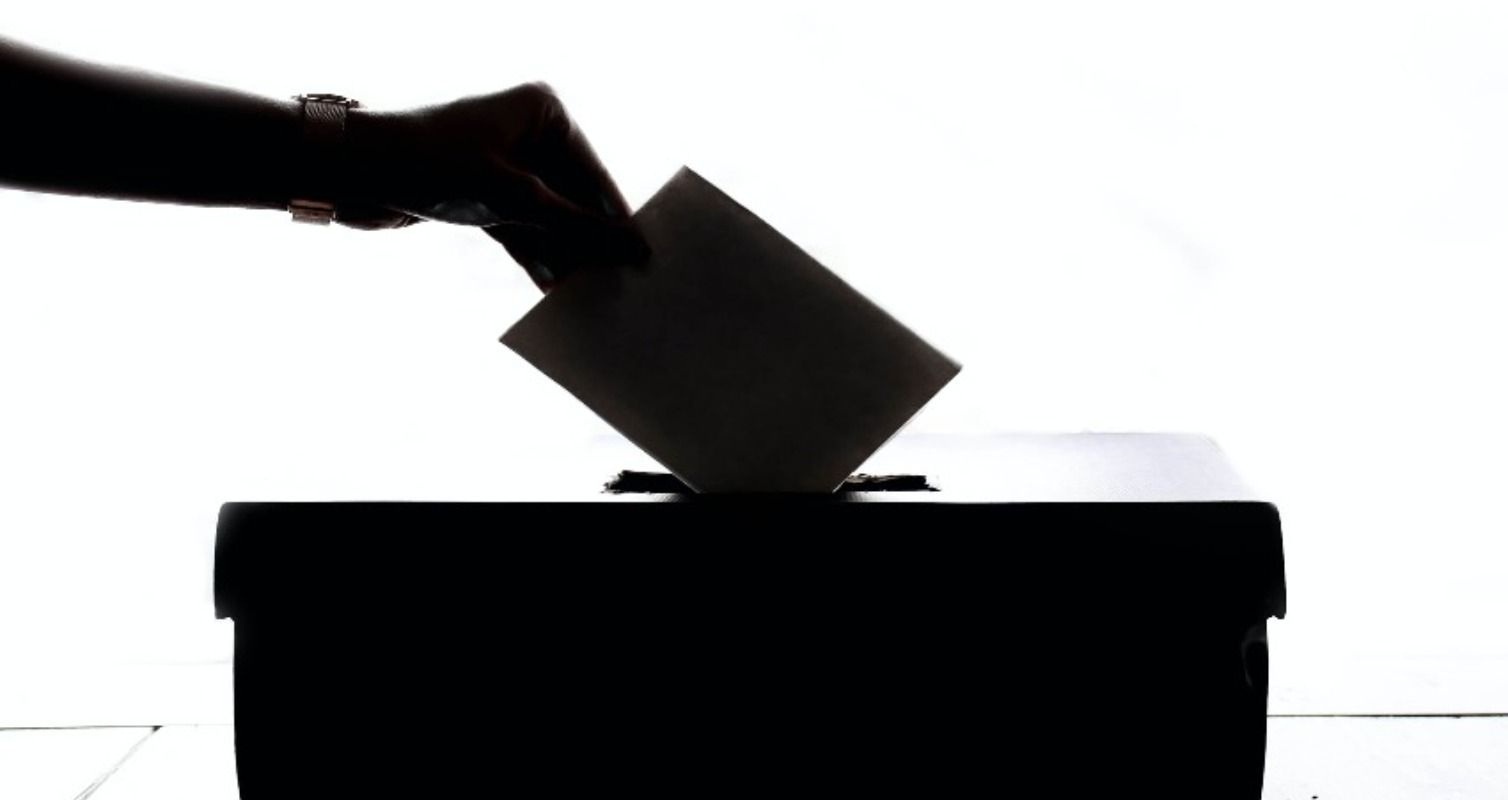
An interesting Cartoon showing Corporate Campaign Vending Machine. May be a future and more interactive way to vote? There is country require voter to write down the candidate’s name (correctly!) to make the vote count.
Flossie, a women’s lifestyle magazine, has designed something very special for single women and it is brilliantly strange.
This creative project was developed on the basis that it would be great if single men were as easy to find as a can of Coke. So Flossie had the idea of a big vending machine packed full of real live single men to satisfy women of all ages. They auditioned all the men to check they were not mental cases, think Britain’s Got Talent, but with hotties.
📰 Flossie Magazine: The Backstory
Flossie was a bold, irreverent New Zealand women’s magazine (2006–2010) known for its feminist edge, humor, and rejection of traditional “glossy” magazine tropes.
Tagline: “For women who don’t take themselves too seriously—but take their rights seriously.”
It covered politics, sex, art, and pop culture—often with a satirical twist.
🤖 The “Single Girl Vending Machine” (Late 2008)
In November 2008, as a stunt for its “Single Issue”, Flossie installed a custom-built vending machine in central Auckland (outside the Flossie office on Ponsonby Road and later at Silo Park) with the tagline:
“Whatever you need – it’s on us.”
But this wasn’t a machine for snacks or drinks. It dispensed ironic, heartfelt, and absurd “essentials” for single women, curated as both art and social commentary.
💡 What Did It Dispense?
For free (or a gold coin donation to charity), users could press a button and receive one of these curated packages:
“Emergency Boyfriend”
A life-sized cardboard cutout of a charming man (with detachable arms for hugging)
“Single Girl Survival Kit”
Wine mini, chocolate, bath bomb, and a note:“You’re awesome alone.”
“Dating Bingo Card”
Track cliché pickup lines like “Do you believe in love at first sight?”
“Breakup Revenge Kit”
Confetti popper, fake diamond ring, and a vial labeled “His Tears” (water)
“Future Wife Application Form”
Satirical “job posting” for a husband—“Must love dogs, tolerate my opinions.”
“Loneliness Antidote”
A coupon for a free coffee + a handwritten note from a stranger:“You matter.”
Each item was hand-assembled, wrapped in pink paper, and dropped with a cheerful clunk—like a vending machine, but with soul.
🎯 Why Was It “Brilliantly Strange”?
Subverted expectations: Instead of selling products, it gave away emotional support disguised as kitsch.
Challenged stigma: It celebrated singledom at a time when media often framed it as a “problem” to fix.
Public art + activism: The machine sparked conversations about loneliness, societal pressure, and female autonomy.
Media sensation: Covered by NZ Herald, Stuff.co.nz, and Radio New Zealand—with lines forming to “get your boyfriend.”
“It’s not about finding a man,” said Flossie editor Kate Smith in 2008. “It’s about saying: My worth isn’t tied to my relationship status—and if I want a cardboard Chris Hemsworth to watch Netflix with, that’s my business.”
Cultural Context: NZ in 2008
Post-global financial crisis: rising anxiety, but also a hunger for community and humor.
Growing feminist discourse in NZ media.
Vending machines were typically utilitarian—this one was theatrical, generous, and human.
🏁 Legacy
The machine toured Auckland, Wellington, and Christchurch for six weeks.
After Flossie magazine folded in 2010, the original machine was donated to the Museum of New Zealand Te Papa Tongarewa as a piece of contemporary social history (though not currently on display).
It’s now remembered as a pioneering example of feminist design and experiential publishing.
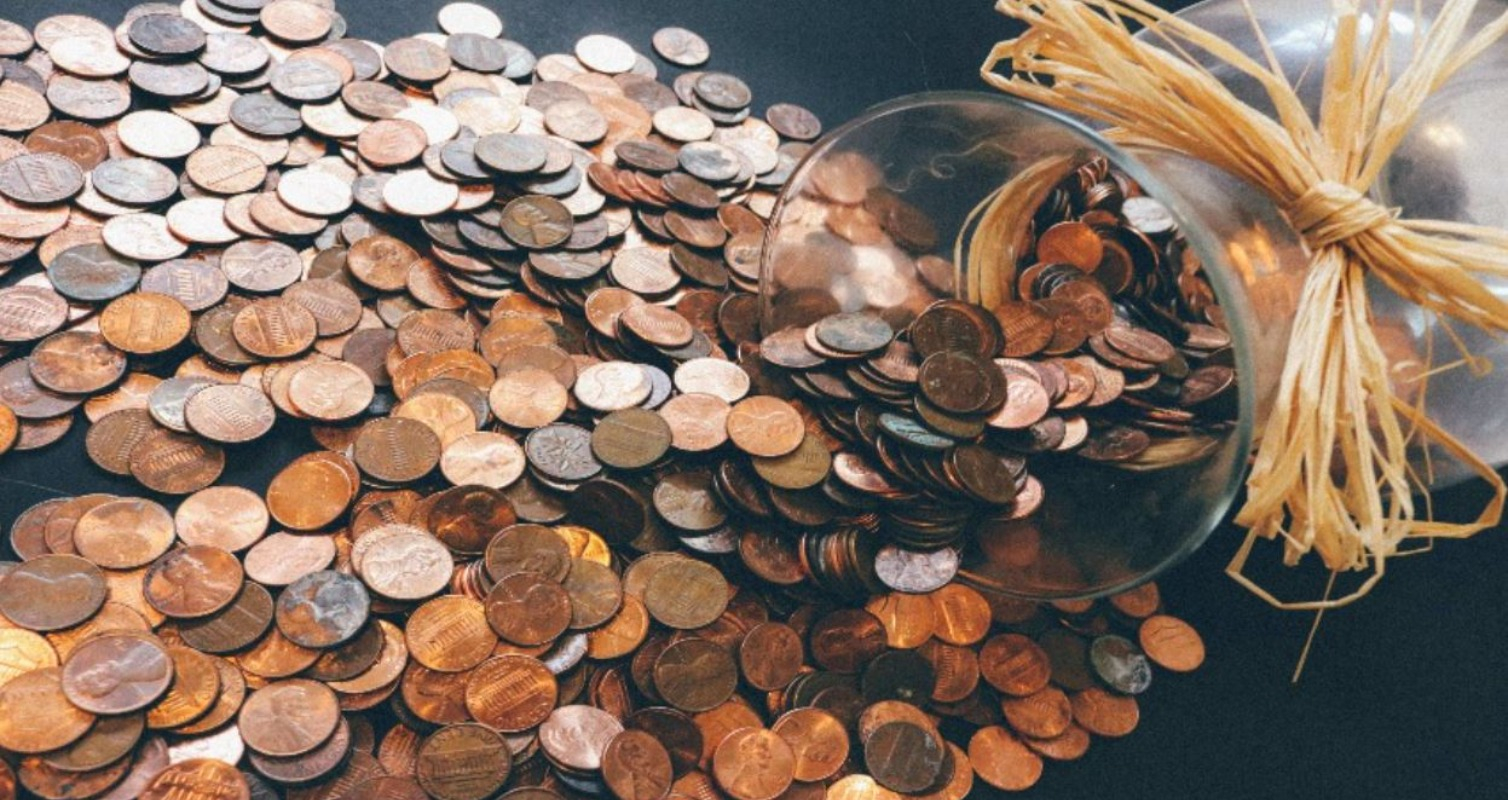
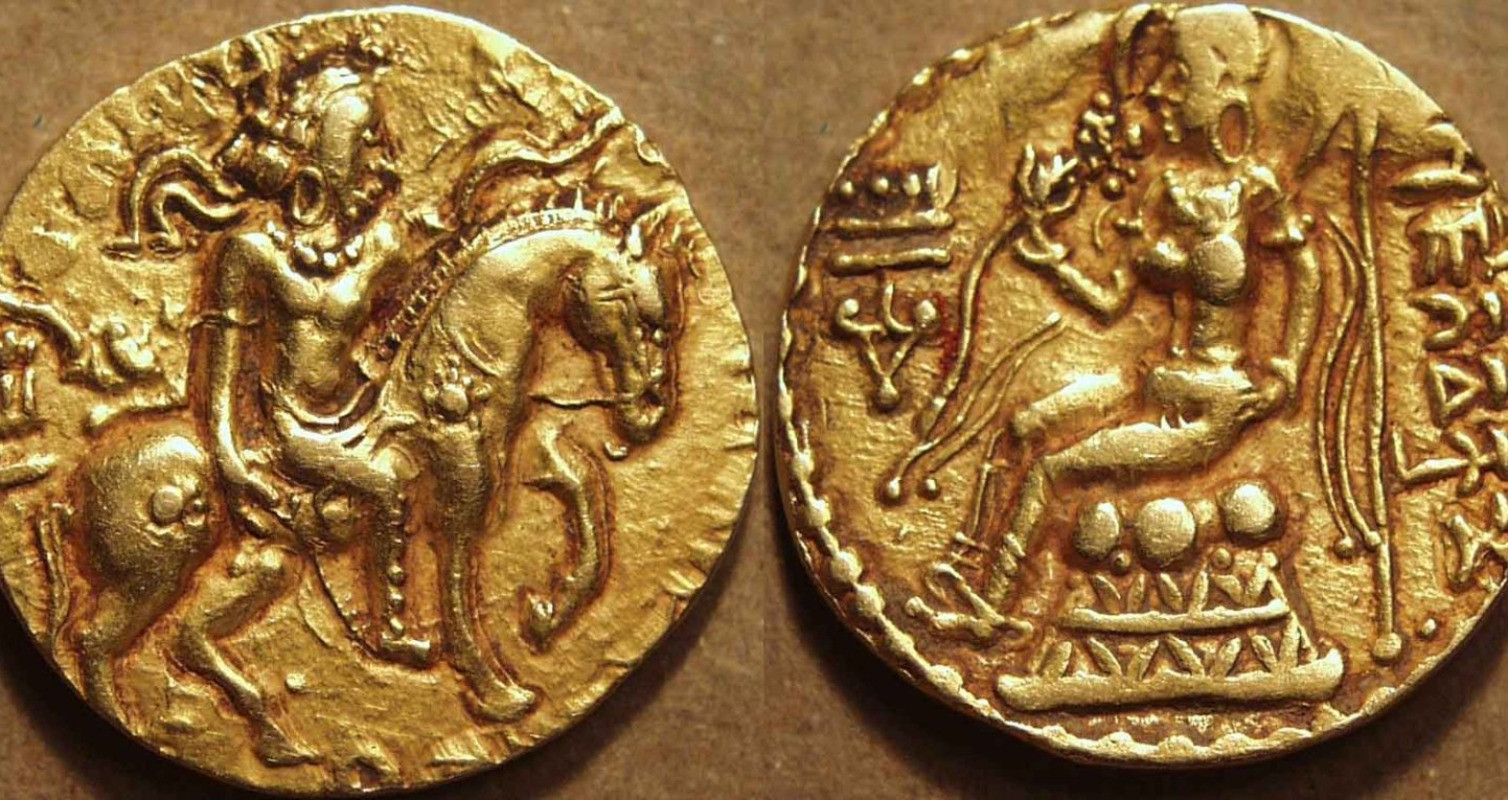
Numismatics is the study and collection of coins, tokens, and currency. Its connection to vending machines is practical and historical: vending machines rely on standardized coin specifications to operate, influencing coin design, circulation, and even the phase-out of certain denominations. They’ve also driven the use of private tokens—now collectible exonumia—and, with the shift to cashless payments, are accelerating the decline of physical coins, turning everyday currency into future collectibles.
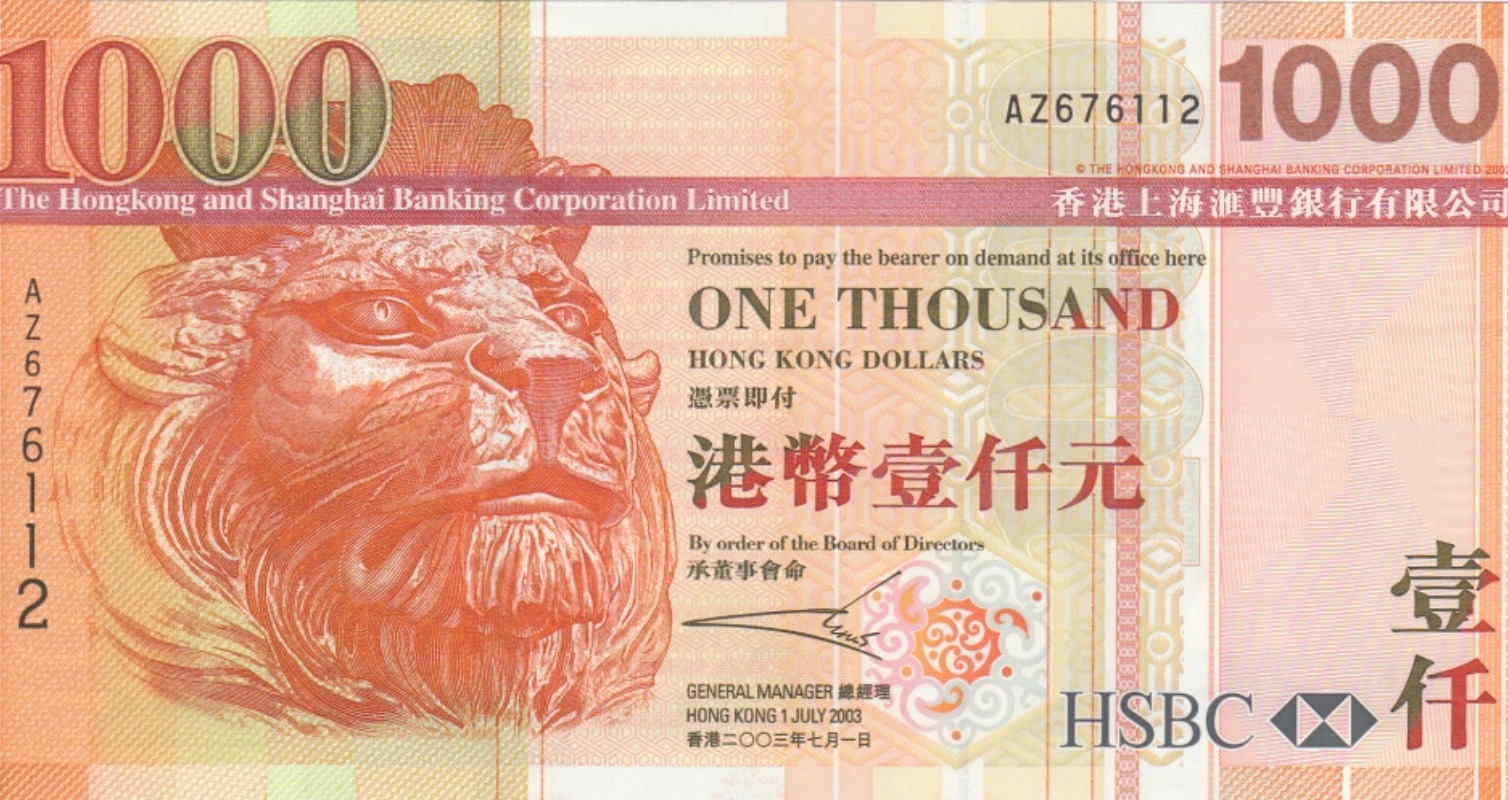
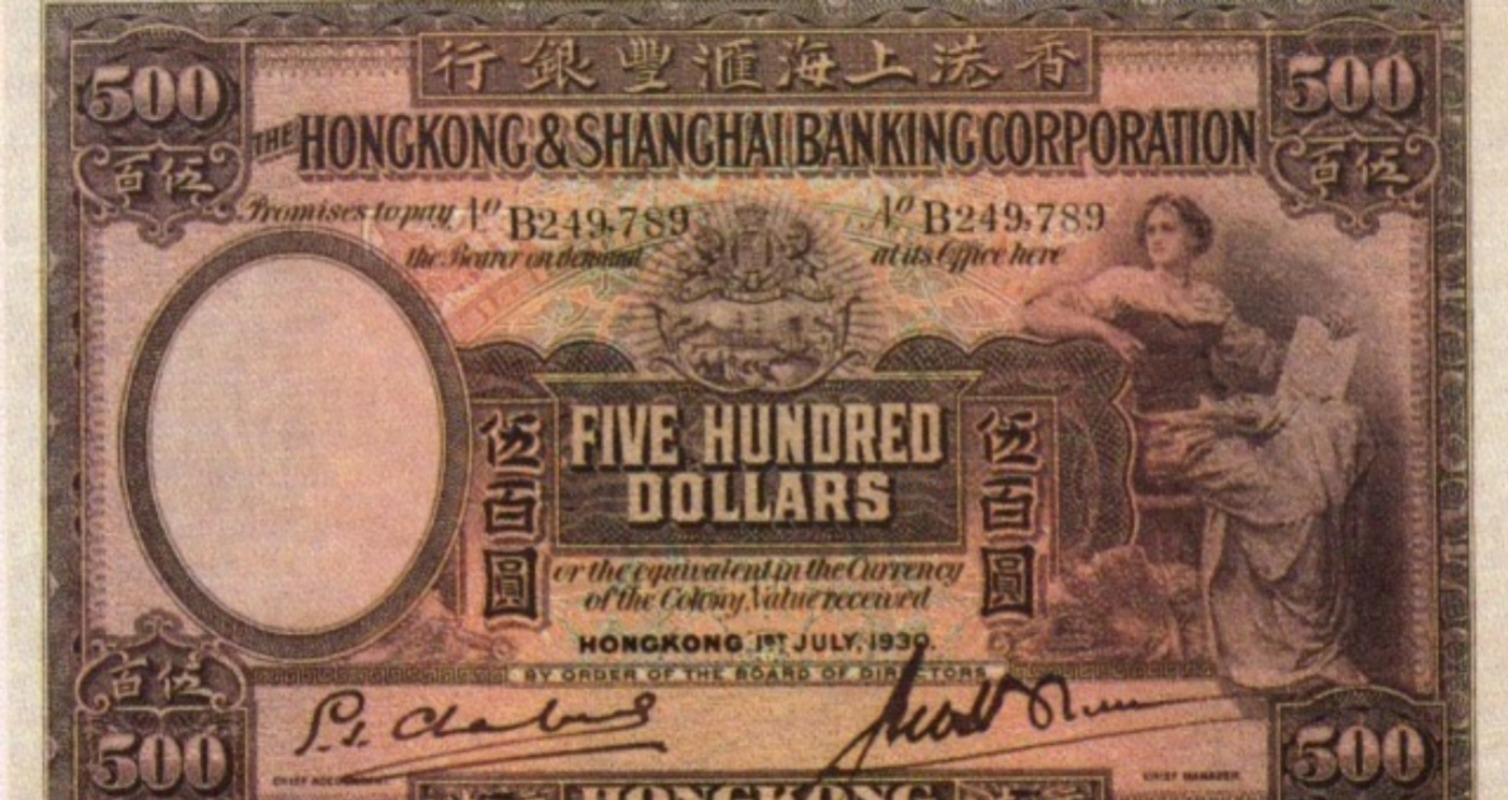
The following security features are incorporated into genuine Hong Kong banknotes:
Paper: It is made of 100% cotton fibre, which doesn’t fluoresce under ultraviolet light.
Polymer: The ten-dollar banknotes are made of polymer, and have a transparent panel.
Watermarks: The watermarks are incorporated during the paper manufacturing process. They can be viewed equally well from either side of the note. The images are multi-toned and sharp, and do not show up when placed under ultraviolet light.
Security thread: A straight metal thread is embedded in the note. It can be viewed equally clearly from either side of the note.
See-through features: When the note is held up to the light, the specially designed color patterns printed on the front and back will be seen to be exactly aligned with each other.
Intaglio printing: The main images of the notes are printed by an intaglio printing process which deposits a large quantity of ink on the paper thus giving the note an embossed feel. The fine lines of these images are clear and sharp.
Current circulating coins and vending machines share a practical, interdependent relationship: vending machines rely on standardized coin specifications to operate reliably, while coin design and circulation are often influenced by the technical needs of these machines.
Key Points:
Strict Technical Requirements Vending machines use sensors to verify a coin’s diameter, thickness, weight, and electromagnetic signature. This means circulating coins must maintain precise, consistent physical properties—any deviation (due to wear, counterfeiting, or foreign coins) can cause rejection or jams.
Influence on Coin Design Many modern coins are engineered specifically for machine readability:
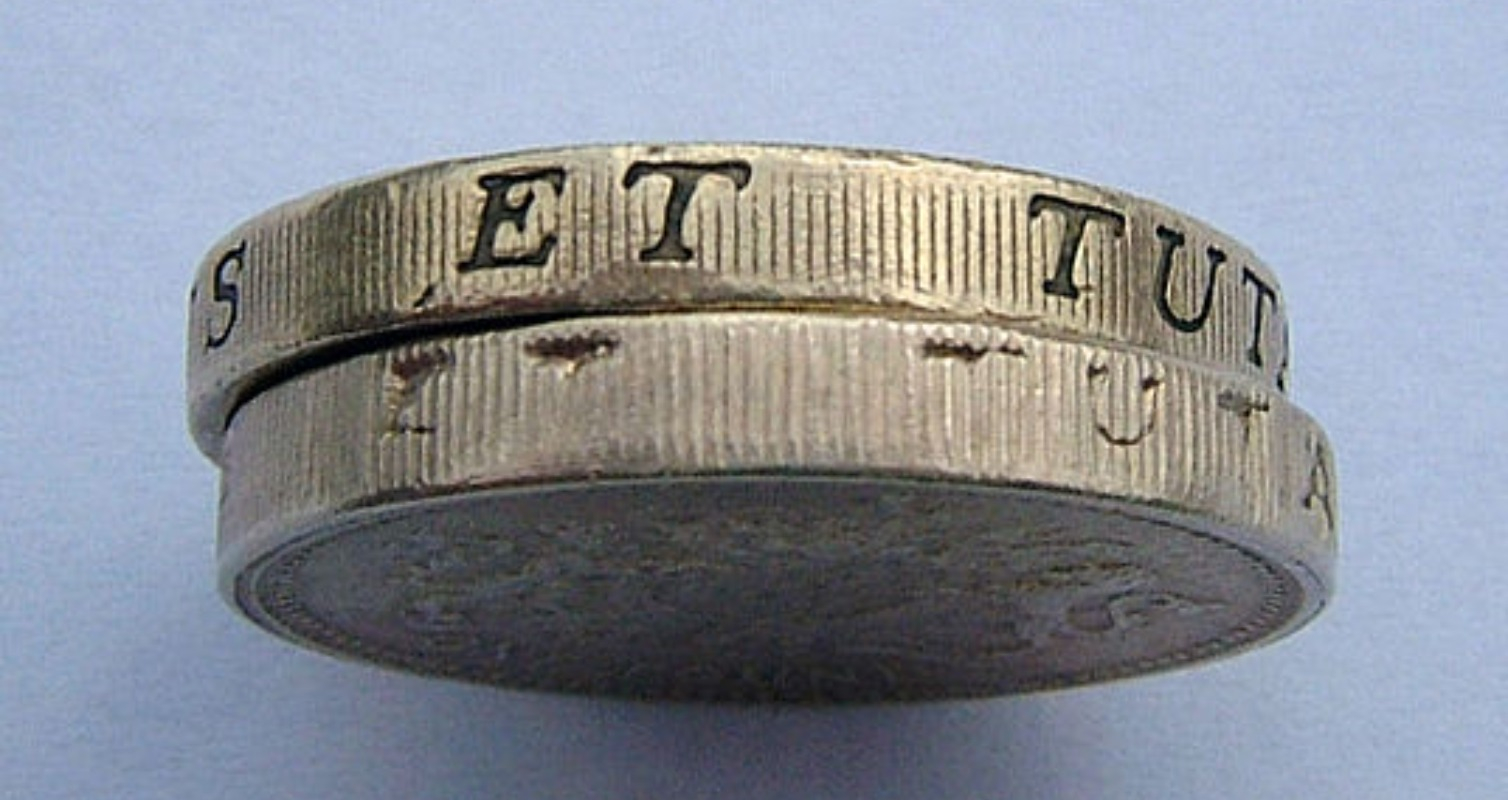
Bimetallic coins (e.g., UK £2, Euro €1/€2) are harder to counterfeit and easier for machines to identify.
Milled edges, grooves, or segmented rings help distinguish denominations.
Countries like Canada and Sweden have even eliminated low-value coins (e.g., 1¢, 2¢) partly because they’re inefficient for vending systems.
Regional Compatibility Issues Similar-looking coins from different countries (e.g., Filipino ₱10 vs. UAE 1 dirham) sometimes trick older vending machines—leading to fraud or the need for updated validators.
Declining Coin Use As contactless payments grow, fewer people carry coins, reducing their circulation. In response, some vending operators disable coin slots or offer cashless-only machines, accelerating the shift away from physical change.
Coins as “Machine-Tested” Currency Coins that remain in active vending circulation tend to be heavily worn—making uncirculated or near-perfect examples more valuable to collectors (numismatists).
Final Note:
Today’s circulating coins are designed with vending machines in mind, ensuring smooth commerce. But as society moves toward digital payments, the role of coins in vending—and daily life—is gradually shrinking.
While vending machines were originally designed for coins, their relationship with banknotes (paper money) has evolved significantly—shaping both technology and cash usage.
Key Points: Banknotes & Vending Machines
Late Adoption: Early vending machines (late 1800s–mid 1900s) accepted only coins due to their uniform size and metal content. Banknote-accepting technology emerged only in the 1970s–1980s with advances in optical and magnetic sensors.
Banknote Validation Technology: Modern bill validators use:
Size and thickness sensors This helps prevent fraud and ensures only genuine, undamaged notes are accepted.
Impact on Banknote Design: Central banks now consider machine readability when designing notes. Features like consistent sizing (e.g., all Euro notes share height), clear contrast, and embedded security elements help vending systems process them reliably.
Decline in Banknote Use: As vending machines increasingly accept contactless payments, the need for cash—especially higher-denomination notes—has dropped. This contributes to reduced circulation of banknotes, especially in urban areas.
Regional Differences:
In Japan, high-trust cash culture means vending machines commonly accept ¥1,000–¥10,000 notes.
In the U.S., most machines accept only $1 and $5 bills; $20+ notes are often rejected.
In Europe, many machines avoid banknotes altogether, relying on coins or cards.
Conclusion
Vending machines have pushed banknote technology forward—but as cashless payments rise, their role in circulating paper money is fading, turning everyday notes into less-frequently handled items, with subtle implications for future numismatics and monetary behavior.
Coins have been the primary currency for vending machines since their modern inception in the late 19th century. Their standardized size, weight, durability, and metal composition make them ideal for automated acceptance—unlike paper money or tokens, which require more complex validation.
How Coins Are Used in Vending Machines:
Payment Input Users insert coins into a slot. The machine’s coin acceptor immediately begins analyzing each coin using:
Mechanical sensors (for diameter and thickness)
Electromagnetic sensors (to detect metal composition)
Weight checks (in older models)
Validation & Sorting Genuine coins are routed to a cash box, while slugs, foreign coins, or damaged currency are rejected and returned. Modern machines can distinguish between dozens of coin types—even detecting counterfeit or worn coins.
Transaction Completion Once the correct amount is reached, the user selects a product, and the machine dispenses it. Any change is returned from a separate coin hopper (usually pre-loaded with small denominations).
Why Coins Work So Well:
✅ Durability: Coins last decades—ideal for repeated handling.
✅ Low fraud risk: Harder to counterfeit than bills (especially bimetallic coins).
✅ No network needed: Unlike card payments, coins work offline.
Challenges Today:
Declining coin usage: With the rise of contactless payments, fewer people carry change.
Wear and tear: Heavily circulated coins may be misread or jam mechanisms.
Maintenance: Machines require regular emptying and hopper refills.
Global travel issues: Tourists often insert foreign coins (e.g., UAE dirham in Euro machines), causing errors.
The Future
While cashless vending is growing, coins remain essential in many regions—especially in Japan, Europe, and rural areas. Some newer machines even recycle change by offering digital refunds via QR code instead of physical coins.
Yet, as long as there are coins in pockets, they’ll keep spinning through the gears of vending machines—quietly powering one of the world’s oldest forms of automated commerce.