NudelStop was an early, innovative pasta vending concept from Germany, launched around 2010 as a “Pasta Kochautomat” (pasta cooking automaton) under the Cucina2000 brand. It promised to deliver hot, fresh pasta “al dente” in just 90 seconds, making it a precursor to today’s automated food kiosks. However, it appears to have been a short-lived project with limited rollout.
Why It Matters in Pasta Vending History
NudelStop predated the post-pandemic surge in food vending machines, which exploded for contactless convenience. While it didn’t scale, it inspired similar European efforts, like Italy’s Pastitaly dispensers that pair hot pasta with vending controls. In contrast, today’s machines focus on chilled, take-home kits rather than instant hot meals.
In 1955, the concept of an airline trip insurance vending machine was not only real—it was a common and innovative feature at U.S. airports, reflecting the rapid growth of commercial air travel in the postwar era and the public’s mix of excitement and anxiety about flying.
Automatic airline insurance vending machine in waiting room of United Airlines. (Getty/Carl Iwasaki)
Context: The Rise of Air Travel in the 1950s
During the 1950s, commercial aviation in the United States was booming. Airlines like Pan Am, TWA, and American Airlines were expanding their routes domestically and internationally, and new jetliners (like the soon-to-arrive Boeing 707) promised faster, more comfortable travel. However, flying was still perceived by many as risky—plane crashes, though statistically rare, received heavy media coverage, fueling public concern.
To address this fear—and to offer peace of mind—flight insurance became a popular add-on for travelers. Unlike today’s comprehensive travel insurance policies, 1950s flight insurance was typically accident-only coverage, paying a lump sum (often $25,000 to $100,000) to beneficiaries in the event of death during the flight.
The Vending Machine Solution
Rather than purchasing insurance through an agent or at a ticket counter, passengers could buy it moments before boarding from a dedicated vending machine, usually located near the gate or in the terminal concourse.
How it worked:
The machine resembled a sleek, mid-century kiosk—often chrome and enamel, with bold signage like “FLIGHT INSURANCE” or “AIR TRAVELERS INSURANCE.”
Passengers inserted coins (typically 25 cents to $1, depending on coverage amount and airline).
They filled out a small form (name, beneficiary) using a pen chained to the machine.
After payment, the machine dispensed a paper policy—a small, pre-printed certificate stamped with the passenger’s name, flight number, and coverage details.
The policy was valid only for that specific flight segment.
These machines were frequently operated by insurance companies like Travelers Insurance, Mutual of Omaha, or Aetna, often under contract with the airport or airlines.
Cultural Significance
These vending machines became iconic symbols of the jet age—a blend of modern convenience, risk management, and the era’s trust in automation. They appeared in films, advertisements, and newsreels as emblematic of the “modern traveler.”
However, their prominence also highlighted a contradiction: the very act of buying last-minute life insurance underscored the perceived danger of air travel. By the 1960s, as air safety improved and credit cards became widespread (allowing broader travel insurance purchases), the need for gate-side vending machines declined.
Legal and Regulatory Change
A major turning point came in 1975, when the U.S. Department of Transportation banned the sale of flight insurance at airports, citing concerns that it unduly heightened passenger anxiety. The rule effectively ended the era of the flight insurance vending machine in the U.S.
Legacy
Today, these machines are collector’s items and museum artifacts—symbols of a bygone era when flying was glamorous, slightly perilous, and required a quarter for peace of mind. Surviving examples can be found in aviation museums like the Smithsonian National Air and Space Museum or the Museum of Flight in Seattle.
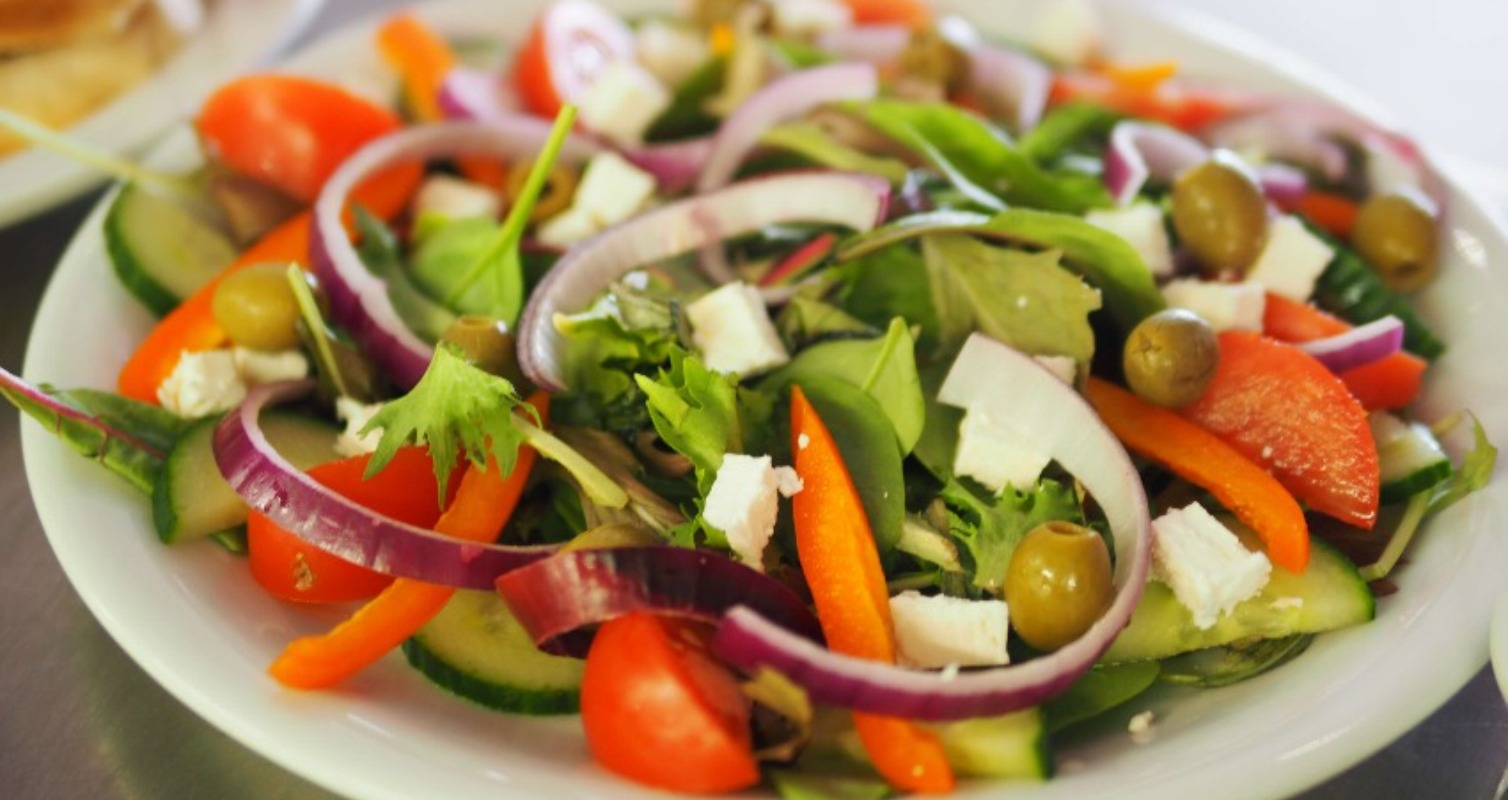
Farmer’s Fridge sells restaurant-quality salads and snacks and donates all of the unsold food at the end of each day to a local food pantry.
The trend to eat clean is growing in popularity by the day, which is why Luke Saunders of Chicago was inspired to found an innovative type of vending machine that serves only healthy fare and treats.
Saunders founded Farmer’s Fridge, which is a healthy vending machine that sells exclusively organic, restaurant-quality salads and snacks. This first of many kiosks was placed in a dreary food court and was an almost immediate hit.
The rustic-looking yet modern vending machine is made from reclaimed wood and is surrounded by real plants with a carpet of artificial grass. Every morning at 10 a.m., the kiosk is stocked with an array of fresh salads and snacks (mostly organic) prepared shortly before at a nearby kitchen.
Excitingly, whatever is left at the end of the day gets donated to a local food pantry.
Saunders envisioned the idea when he was traveling for his former corporate job and was burdened by not being able to obtain healthy, organic produce from popular fast food chains. He decided he needed to “be the change,” therefore, followed through with the plan to found Farmer’s Fridge.
My realization was that I could make fresh food and put it in a vending machine without adding any preservatives or other junk and it would taste good. We want everything to be in the running for ‘the best salad I ever had’. If it’s not that good, we’re not going to put it in there.”
Saunders
Farmer’s Fridge protects the quality and integrity of the food by staying away from items that don’t lend themselves to staying fresh and tasty in a refrigerated vending machine. That means there are no sandwiches, but plenty of salads and sides packed into recyclable plastic jars.
The ingredients in each product are stacked in an order specifically intended to keep the salad fresh: greens on top, cheeses and water-retaining fruits on the bottom, nuts in the middle.
The result is a diverse menu that ranges from “The Cheater,” a modified classic Cobb salad, to “The Junk Food Eraser,” a detox salad stuffed full of kale, quinoa, sprouts, fennel, blueberries and pineapple with a cider vinegar-lemons dressing on the side.
Other items, such as lemon-pepper chicken tuna and tofu are also available.
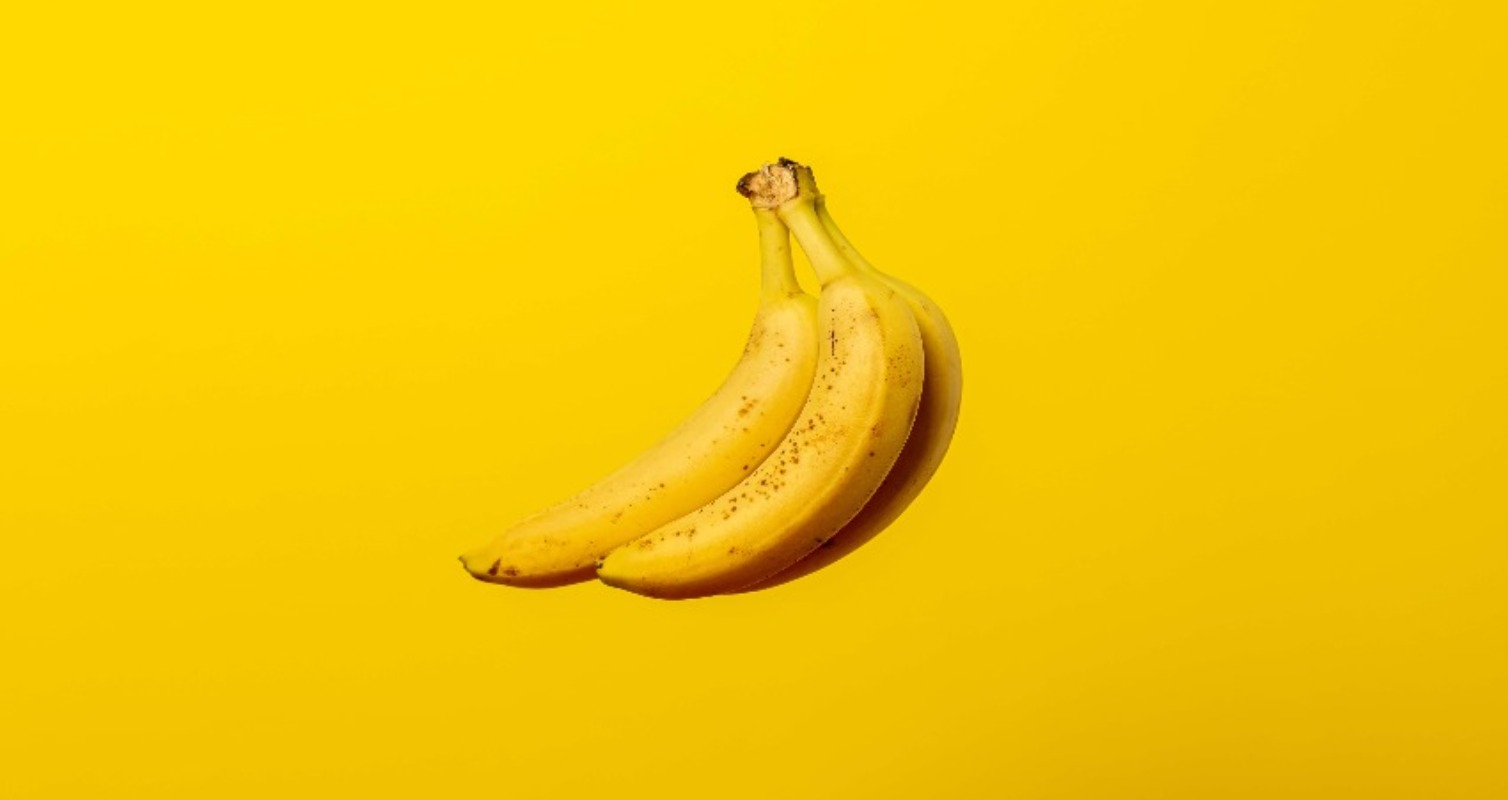
Dole Japan operated banana vending machines in Japan, blending the company’s global fruit expertise with Japan’s iconic vending machine culture. While not widespread nationwide, these machines represent a real and innovative extension of Dole’s fresh-food retail strategy in the Japanese market.
Timeline & Launch
Dole Japan (a subsidiary of Dole plc) began piloting banana-specific vending machines around 2018–2019, with expanded visibility by 2020–2022.
The initiative aligned with Japan’s growing demand for healthy, convenient, and traceable on-the-go food options.
Machine Features
Branded bright yellow units with the Dole logo and “100% Fresh Banana” messaging.
Typically hold 30–50 bananas, individually placed in gentle dispensing slots to prevent bruising.
Transparent front panels allow customers to inspect fruit quality before purchase.
Price: Usually ¥100–¥120 per banana (often cheaper than convenience stores).
No refrigeration, but located in climate-controlled or shaded areas to maintain freshness.
Locations Dole banana vending machines have been spotted at:
Office complexes in Tokyo (e.g., Marunouchi, Shinjuku)
University campuses (as part of student wellness programs)
Corporate cafeterias and hospitality back-of-house areas
Transit hubs in partnership with private rail or facility management firms
Notably, they are not commonly found on public streets like drink vending machines—but rather in semi-private, high-foot-traffic indoor or controlled environments where turnover is fast and bananas stay fresh.
🌱 Why It Works in Japan
Bananas are Japan’s #1 consumed fruit—imported mostly from the Philippines, with Dole as a major supplier.
Strong consumer trust in brand-name produce and food safety.
Cultural emphasis on breakfast skipping solutions—many workers grab a banana as a quick morning meal.
Japan’s low vandalism and high vending literacy make fresh-food machines viable.
📌 Current Status
While Dole hasn’t deployed banana vending machines at massive scale, the project remains an active niche channel. The company occasionally features the machines in CSR (Corporate Social Responsibility) reports and social media as part of its “Fruit for All” accessibility mission.
Buying a car is a hellish process. An experience that assaults the nerves in such a way that it’s only rivaled by appointments with the dentist. But what if buying a car was easier than that? What if it was as easy as, say, a vending machine?
A few years ago, a company called Carvana move the car buying experience completely online: getting approved for and selecting financing, selecting a warranty, and signing the contract.
This left customers with just one dealership interaction: choosing pickup or delivery. More often than not, Carvana customers were choosing pickup. Now, though, Carvana is adding some spice to that experience.
We knew that if [customers] chose to pick up the car we would save some money, and so we could invest that money in giving them a really, really great experience.
Ernie Garcia, Carvana CEO
The result? A five-story, fully-automatic vending machine building for cars.
“The experience itself is exactly a vending machine experience,” Garcia says. “The customer even gets a customized, oversized coin that they drop into a slot.” The coin triggers a robotic arm, which goes up and grabs the car that the customer purchased online. When the car comes down, it’s transferred to another robot that drives the car down a hallway and parks it in a bay, where the customer receives their purchase.
The best is that the overall cost will be lower in the long run. By employing fewer staff, leasing less acreage, and carrying fewer cars, Carvana drastically lowers the overhead. It also allows them to sell cars for up to $2,000 less than most dealerships.
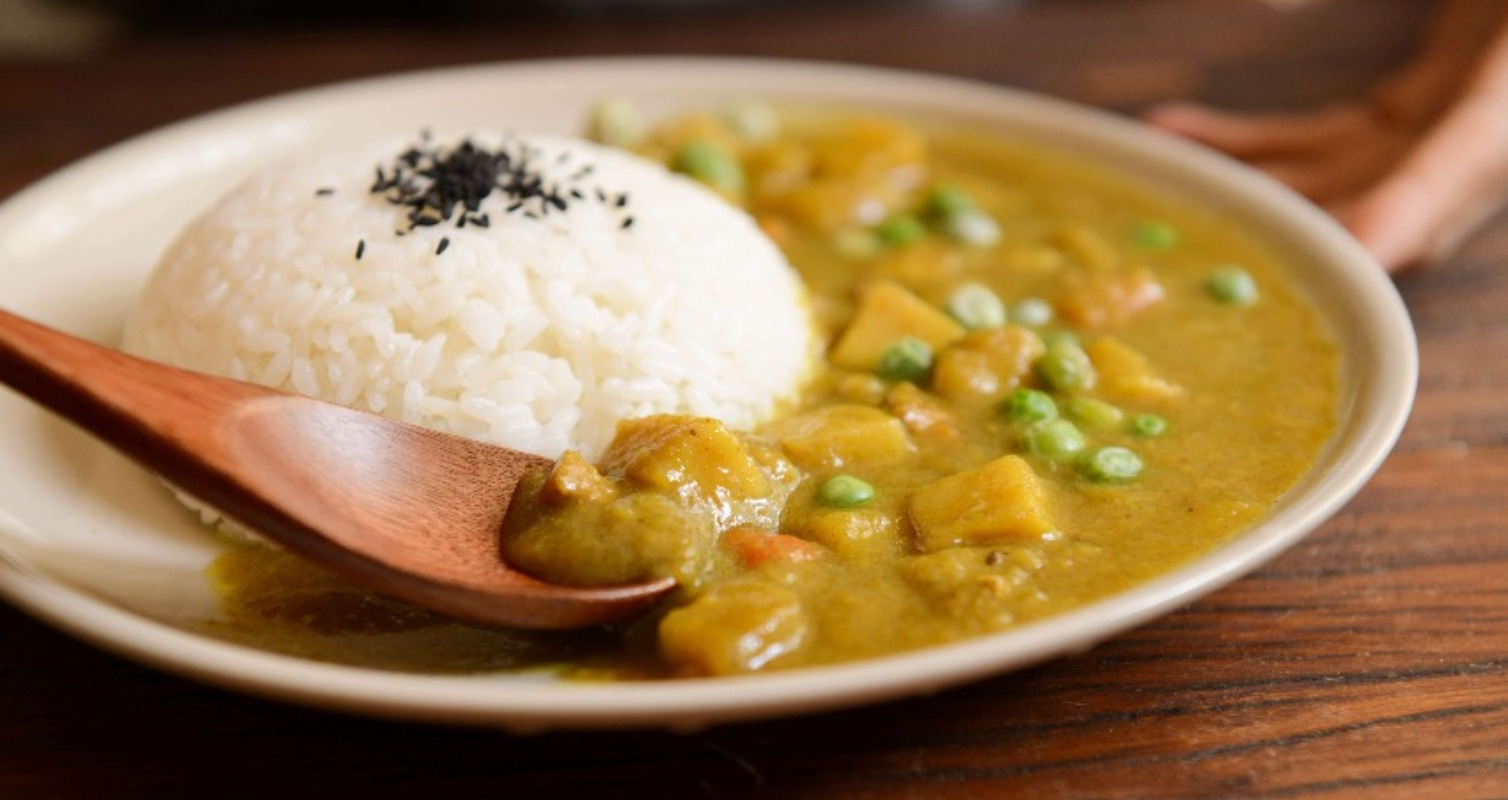
Japan’s legendary vending machine culture—boasting over 4 million units nationwide—extends far beyond drinks and snacks. Among its most fascinating innovations are hot food vending machines, including those that dispense curry rice (カレーライス, karē raisu), one of Japan’s most beloved comfort foods.
The Concept: Hot, Ready-to-Eat Meals at the Push of a Button
Unlike typical cold beverage or snack dispensers, curry rice vending machines are specialized automated hot food kiosks. They store freshly prepared or flash-frozen meals in temperature-controlled compartments and use built-in heating systems—often microwave or convection-based—to warm the dish just before dispensing.
When a customer inserts cash or taps a contactless payment card, the machine:
Selects a sealed, compartmentalized meal tray (typically rice on one side, thick, savory curry with meat or vegetables on the other).
Heats the meal in seconds.
Delivers it through a slot, often with disposable chopsticks and a wet wipe.
The entire process takes under 30 seconds, offering a full, hot meal without human interaction—ideal for late-night workers, travelers, or solo diners.
Where You’ll Find Them
These machines are not as ubiquitous as drink vendors but appear in strategic high-traffic or remote locations:
Highway rest stops (michi-no-eki or service areas on expressways)
Rural train stations with limited dining options
University campuses during exam periods
Industrial zones near factories with night shifts
Convenience store parking lots as meal extensions
Brands like JR East’s “EKIBEN” (station bento) vending machines and private operators such as Cocokara Fine or Tomen have experimented with hot meal dispensers, including curry rice, nikujaga (meat and potato stew), and omurice (omelet rice).
Why Curry Rice?
Japanese curry rice—thicker, sweeter, and milder than Indian or Thai curry—has been a national staple since the Meiji era (late 1800s). It’s:
Affordable (typically ¥400–¥700, or $2.50–$5 USD)
Filling and balanced (carbs + protein + vegetables)
Universally liked across ages
Easy to reheat without losing texture
Its popularity makes it a natural candidate for automated meal service.
Challenges and Evolution
Despite their ingenuity, hot food vending machines face hurdles:
High maintenance costs (refrigeration, heating, restocking)
Limited shelf life of fresh ingredients
Competition from konbini (24-hour convenience stores like 7-Eleven or FamilyMart), which offer similar meals at comparable prices with more variety
As a result, many dedicated curry rice vending machines have declined since the 2000s. However, they’ve evolved into multi-functional hot food kiosks that rotate seasonal or regional dishes—sometimes including curry as a standard option.
Cultural Significance
The curry rice vending machine embodies core Japanese values:
Omotenashi (hospitality through seamless service)
Efficiency and automation
Food safety and consistency
Respect for solo dining culture
It also reflects Japan’s unique ability to blend tradition (homestyle curry) with cutting-edge technology.
Fun Fact
In 2020, a company in Hokkaido launched a fully robotic curry stand that functions like a high-end vending machine—grinding spices, simmering sauce, and plating rice in real time. While not a classic vending machine, it shows how the spirit of automated curry lives on.
In summary:
While no longer commonplace, the curry rice vending machine remains an iconic example of Japan’s commitment to convenience, culinary comfort, and technological innovation—proving that even a humble bowl of curry can be delivered with futuristic flair.
One of the most iconic symbols of luxury and opulence in the modern world is the gold vending machine located in the Emirates Palace Hotel in Abu Dhabi, United Arab Emirates. Introduced in 2010, this extraordinary machine is not a myth—it’s a real, fully functional 24-karat gold dispenser that reflects the grandeur and ambition of the UAE’s capital.
🏛️ Where Is It?
The gold vending machine is situated in the main lobby of the Emirates Palace, near the hotel’s grand corridor lined with marble, crystal chandeliers, and gold leaf accents. The hotel itself is a landmark of extravagance—reportedly one of the most expensive hotels ever built, with over 1,000 luxury suites, 200 acres of private gardens, and 1.5 kilometers of private beach.
💰 What Does It Sell?
Unlike traditional vending machines that dispense snacks or drinks, this sleek, 1.5-meter-tall, black-and-gold machine—branded “Gold to Go”—offers a dazzling array of pure gold products, including:
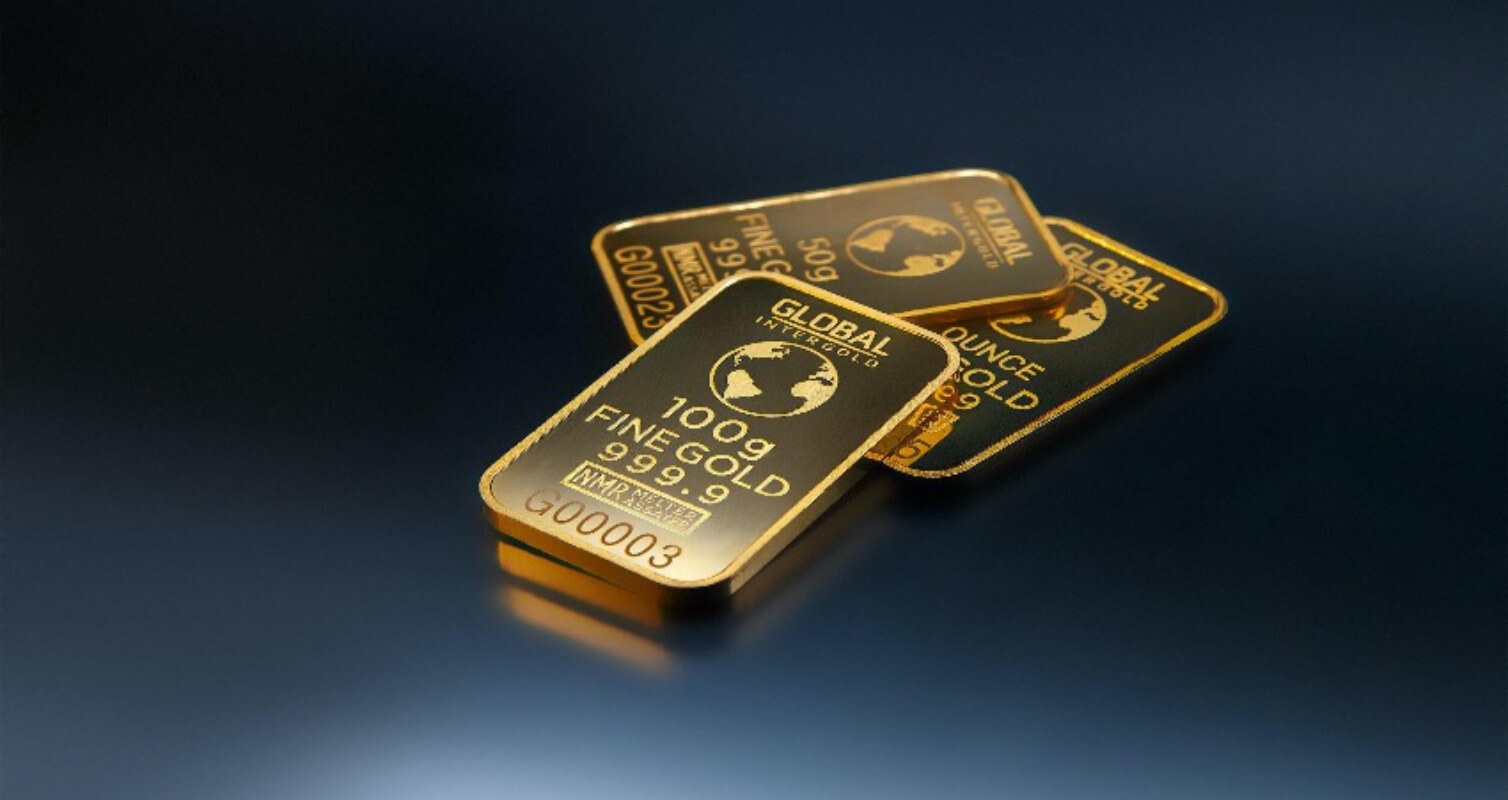
24-karat gold bars (ranging from 1 gram to 10 grams)
Gold coins (including UAE dirham-themed commemoratives and international designs)
Gold jewelry (small pendants and medallions)
Decorative gold flakes in capsules (marketed as edible or collectible)
Prices fluctuate in real time based on the global gold market, but as of recent years:
A 1-gram gold bar costs around AED 250–300 (≈ $70–80 USD)
Larger bars or specialty items can cost thousands of dollars
All items come in elegant, branded packaging, making them popular as luxury souvenirs or impulse gifts.
🔐 How It Works
The machine is air-conditioned to protect the gold from heat and humidity.
It uses real-time pricing linked to international gold exchanges.
Payment is accepted via credit/debit cards (cashless for security).
An anti-theft shield and 24/7 surveillance ensure security.
The gold is certified and stamped with purity marks.
It’s operated in partnership with Exclusive Gold, a German company that pioneered luxury vending machines and also installed similar units in Germany, Austria, and Dubai.
💡 Why a Gold Vending Machine?
The concept was born from Abu Dhabi’s identity as a hub of wealth, innovation, and luxury tourism. The Emirates Palace—often described as more of a palace than a hotel—wanted to offer guests a unique, theatrical experience that embodied the city’s “anything is possible” ethos.
As one hotel executive reportedly said:
“If guests can order caviar at 3 a.m., why not gold?”
The machine also taps into cultural reverence for gold in the Middle East, where it’s seen as a symbol of status, prosperity, and timeless value.
🌍 Fun Facts
It was the first gold vending machine in the Middle East.
The machine dispenses over 320 different gold products.
Despite its glitz, it’s not just for tourists—local residents and businesspeople occasionally use it for quick, small gold investments.
It has inspired imitators worldwide, though few match its setting or scale.
📸 Tourist Attraction
Even if you don’t buy anything, the gold vending machine has become a must-see photo spot for visitors to Abu Dhabi. It perfectly encapsulates the city’s blend of futurism, tradition, and unapologetic luxury.
💬 Note: While you can walk into Emirates Palace as a visitor (the hotel is open to the public for dining or tours), respectful attire is required—shorts and flip-flops may be turned away at the door.
In Summary:
The gold vending machine at Emirates Palace is far more than a novelty—it’s a statement piece that reflects Abu Dhabi’s ambition, wealth, and flair for the dramatic. In a world of digital transactions and intangible assets, it offers something rare: tangible, glittering value—at the push of a button.
The set up of Comic book vending machines offer multiple benefits to both consumers and businesses. Here are some key advantages:
Convenience: Consumers can access comic books anytime, without needing to visit a traditional bookstore or wait for online deliveries. This is especially beneficial in high-traffic areas where people might be looking for quick entertainment.
Exposure to New Content: Vending machines can introduce readers to new and diverse comic titles they might not have encountered otherwise, potentially expanding their interests and the market reach of lesser-known comics.
Cost-Effective for Businesses: For businesses, these vending machines require less staff and overhead costs compared to running a full retail store, while still reaching comic enthusiasts and casual buyers alike.
Flexible Placement: They can be placed in a variety of locations including shopping malls, airports, train stations, and educational institutions, making them accessible to a wide audience.
Promotional Tool: Comic book vending machines can also serve as an effective promotional tool for new releases, special editions, or events. They provide a unique way to generate buzz and excitement around comic book launches.
Supports Independent Creators: Smaller publishers and independent creators have an additional platform to distribute and sell their work, bypassing traditional barriers to entry.
These benefits highlight how comic book vending machines can enhance accessibility, support various business models, and contribute positively to the comic book industry’s ecosystem.
Many women will empathise with the scenario of struggling home in high heels that, after a night of dancing, are torture to walk in. Now, however, a new flat shoes vending machine presents an ingenious solution.
Ashley Ross, 25, and Lindsay Klimitz, 26 have bought the rights to manufacture and distribute Rollasole flats in clubs across the U.S.
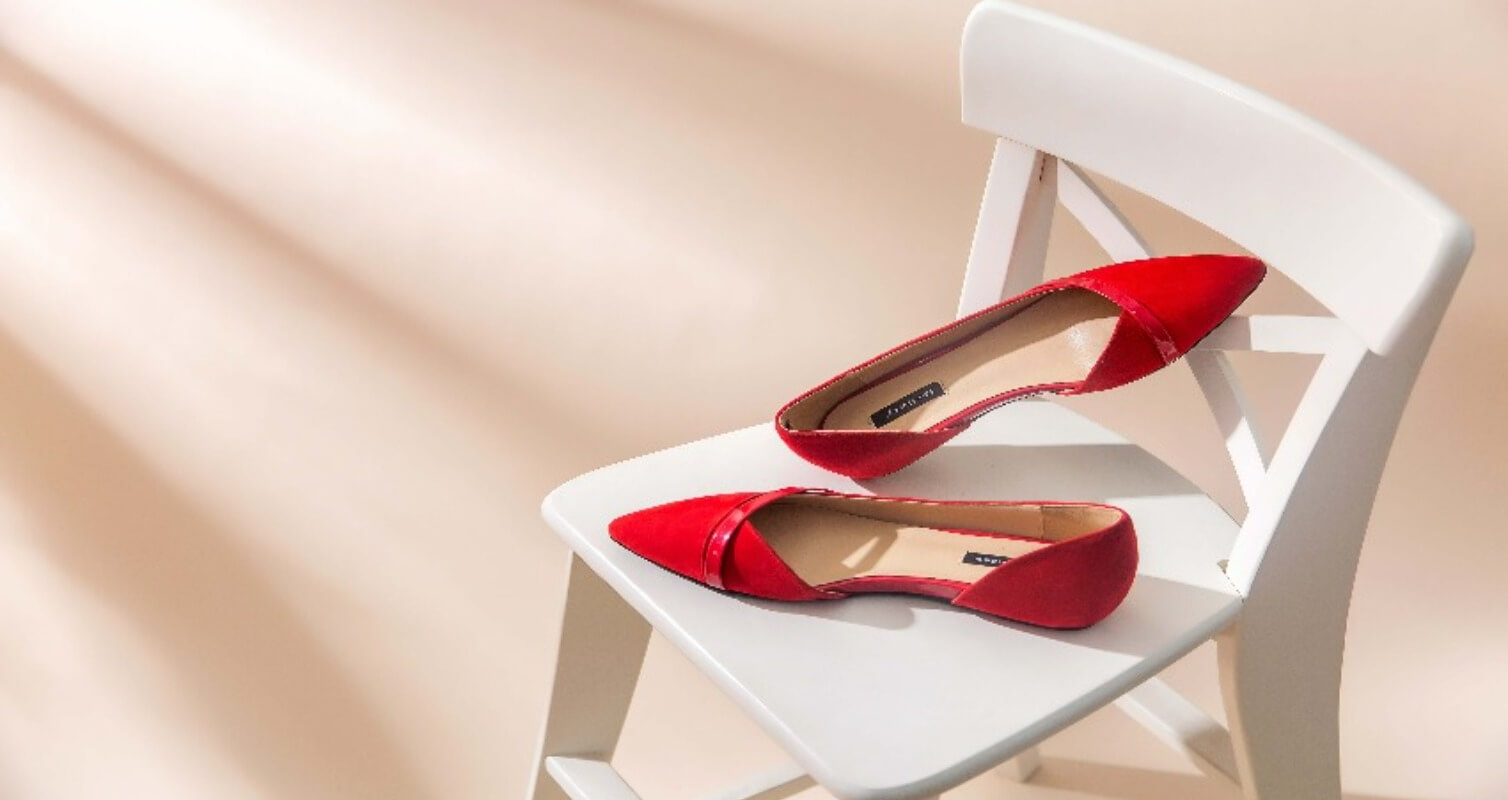
Soft and squishy, the shoes come out of the vending machine rolled up in a plastic cup and they’re also recyclable to ensure no one clutters up U.S. landfills with too many disposable shoes.
The entrepreneurial pair are working on more diverse style choices, with an array of flats that feature gold studs, rhinestones, polka dots and leopard print, ensuring all outfits are catered for.
Miss Klimitz said: ‘Both of us are not really people that would walk barefoot. I know a lot of girls are into walking barefoot – when they’re in just too much pain, they can’t take it. But we would literally suffer through the pain.’
Club girl or not, high heels are synonymous with sore feet, a universal truth among women. How long a girl can go before chucking them in for a comfier option varies, but Miss Ross concedes it’s about a couple of hours.
She explained: ‘Two hours is the limit for a lot of girls. If you put a few drinks in them, probably one hour.’
Discipline, peer pressure and band aids have been the answer until now, and it appears that it’s not just girls who are happy about the introduction of the Rollasole vending machines.
Club owners approve because girls who wear them stay out an average of 40 minutes later, according to a survey Miss Ross and Miss Klimitz commissioned.
Guys like the shoes because it keeps girls out partying for the night.
So far there are three Rollasole vending machines in Las Vegas, one in the Venetian Hotel in front of Tao nightclub, one in Vanity at the Hard Rock casino, and one at the Tropicana.
Selling for $19.95 per pair, they beat having to bring a pair of flip-flops to a club, which one of the girls’ friends often does. Apparently other girls look at her with envy.
Not wearing heels in the first place for a night of dancing would seem like an obvious answer, but as Miss Ross and Miss Klimitz both declare a ‘No’ in unison at the option, Rollasoles are clearly a better one.
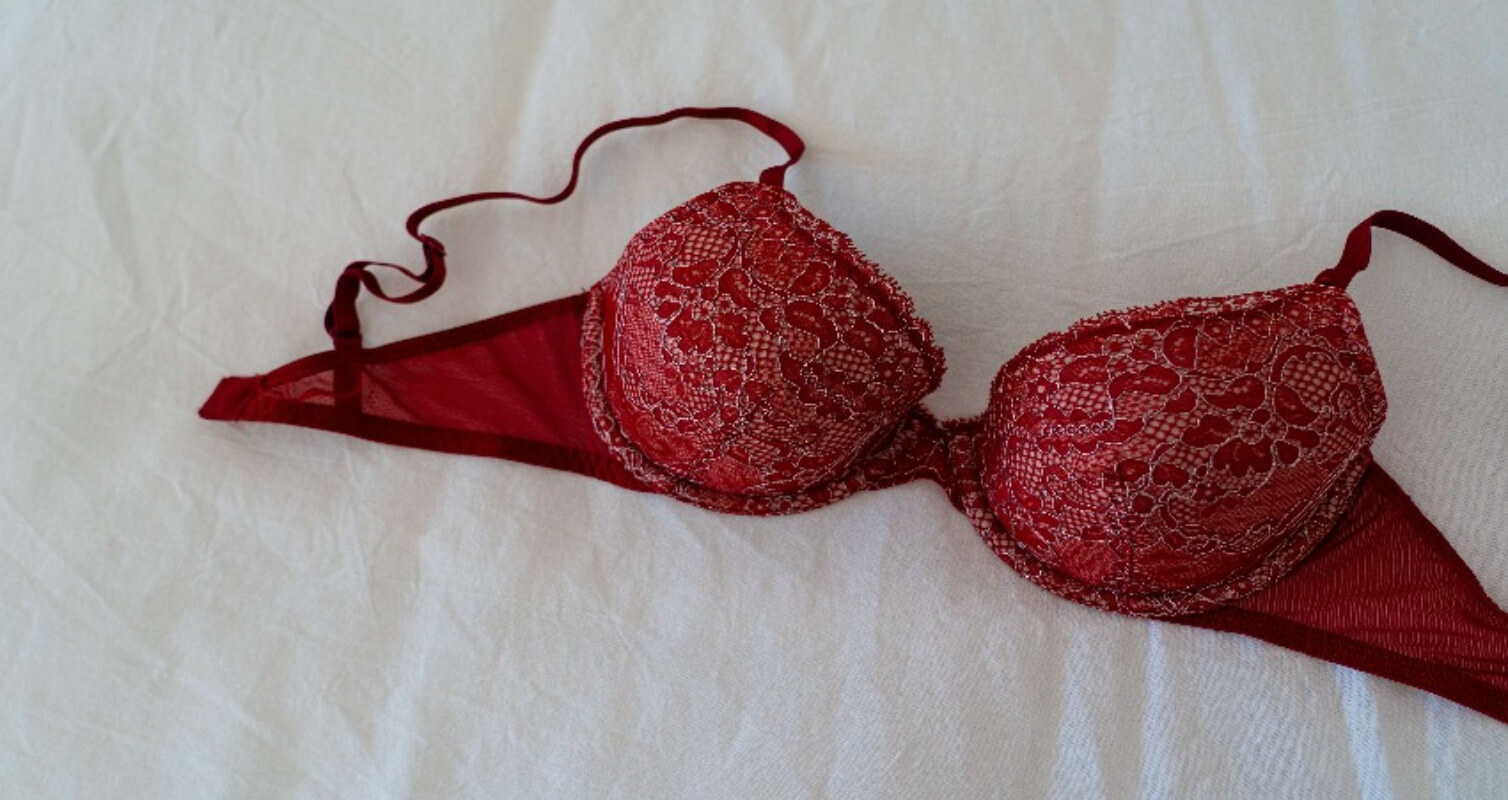
Video below shows a bra vending machine rolled out by Japanese lingerie maker Wacoal at its specialty shop. The vending machine is packed with the popular wireless “Fun Fun Week” bras.
The shop’s manager said, “The vending machine’s strength is that you can quickly look at the size chart and buy,” and that customers didn’t have to tell shop staff their size or even have to talk to shop staff at all!
On GirlsChannel, a site aimed at Japanese women, many thought the idea of buying a bra via a vending machine seemed rather strange.
“Purchasing one without trying it on would be somewhat impossible (for me),” wrote one commentator.
“An old man probably came up with this idea,” wrote another commentator. Others suggested that it was ideal for male customers who liked to wear women’s underwear.
If anything, this seems like a Wacoal publicity stunt, which is something the Japanese lingerie company often does. It sure is working!
Not all commentators were completely against the vending machine, and there were those who thought the novelty aspect was interesting. Wrote one commentator, “So, this is peace of mind for the days you forget to wear a bra, I guess?”