Author: Editoral Team

  • Vending machine price adjust with temp.

    Vending machine price adjust with temp.

    In a clever twist on dynamic pricing, Coca-Cola Spain (via its agency Momentum) launched 18 experimental vending machines in 2011–2012 that adjusted the cost of their Minute Maid lemonade drink, Limon & Nada (a zero-calorie lemon beverage), based on outdoor temperature. Unlike the controversial 1999 prototype that raised prices in heat (quickly scrapped due to backlash), this campaign lowered them as temps rose—encouraging impulse buys during summer scorchers and boosting brand love. Placed at high-traffic water parks and amusement attractions, it ran through the summer months to drive trials of the thirst-quenching product.

    How the Pricing Worked

    The machines used built-in sensors and software to monitor real-time weather data, displaying the current price on a digital screen. No coins needed—payments via card or contactless. The hotter it got, the bigger the discount, turning the heat into a sales ally:

    Temperature Range (Fahrenheit)Equivalent (°C)Price per Can (€)Discount from Base
    Below 84°F (<29°C)Cool/Mild2.00None (base price)
    84–85.9°F (29–30°C)Warm1.4030% off
    86°F+ (>30°C)Hot1.0050% off
    • Why Lower Prices? A Coke rep explained it was about “increasing trial of Limon & Nada as a thirst quencher in the summer heat,” not gouging customers. It gamified the purchase: Spot the dropping price, feel the relief.
    • The Tech: Simple thermometer-linked chip (no fancy AI)—updates every few minutes. Machines also flashed fun messages like “¡Calor? ¡Refréscate con Limon & Nada!” (Heat? Refresh with Limon & Nada!).

    Impact and Legacy

    • Success: Viral hit—media buzz from NYT to Ad Age, with videos showing delighted crowds snagging bargains. Boosted Limon & Nada sales in test spots without alienating users.

    The machines were designed specifically to increase trial of Limon & Nada as a thirst quencher in the summer heat and have not been used in other markets.

    Carrie Brown, Coke spokeswoman
    Lemonade Vending Machines Base Pricing on Outside Temperature

    Other Vending Machine Applications

  • Must Visit Macau Attractions

    Must Visit Macau Attractions

    Top 10 Tourist Attractions in Macau, China | Travel Video | Travel Guide | SKY Travel

    1. Ruins of St. Paul

    Traveling Macau without visiting the Ruins of St Paul literally means not visiting Macau attractions at all. It is one of the most visited Macau attraction. Originally built in 17th century, it was destroyed by fire in 1835 & what remains till today is the facade of the Church & St Paul’s college.

    2. Senado Square

    Senado Square has been Macau’s urban centre for centuries & still a popular venue for celebrations. It is paved with a wave-patterned mosaic colored stones created by the Portuguese.

    3. Venetian Macau

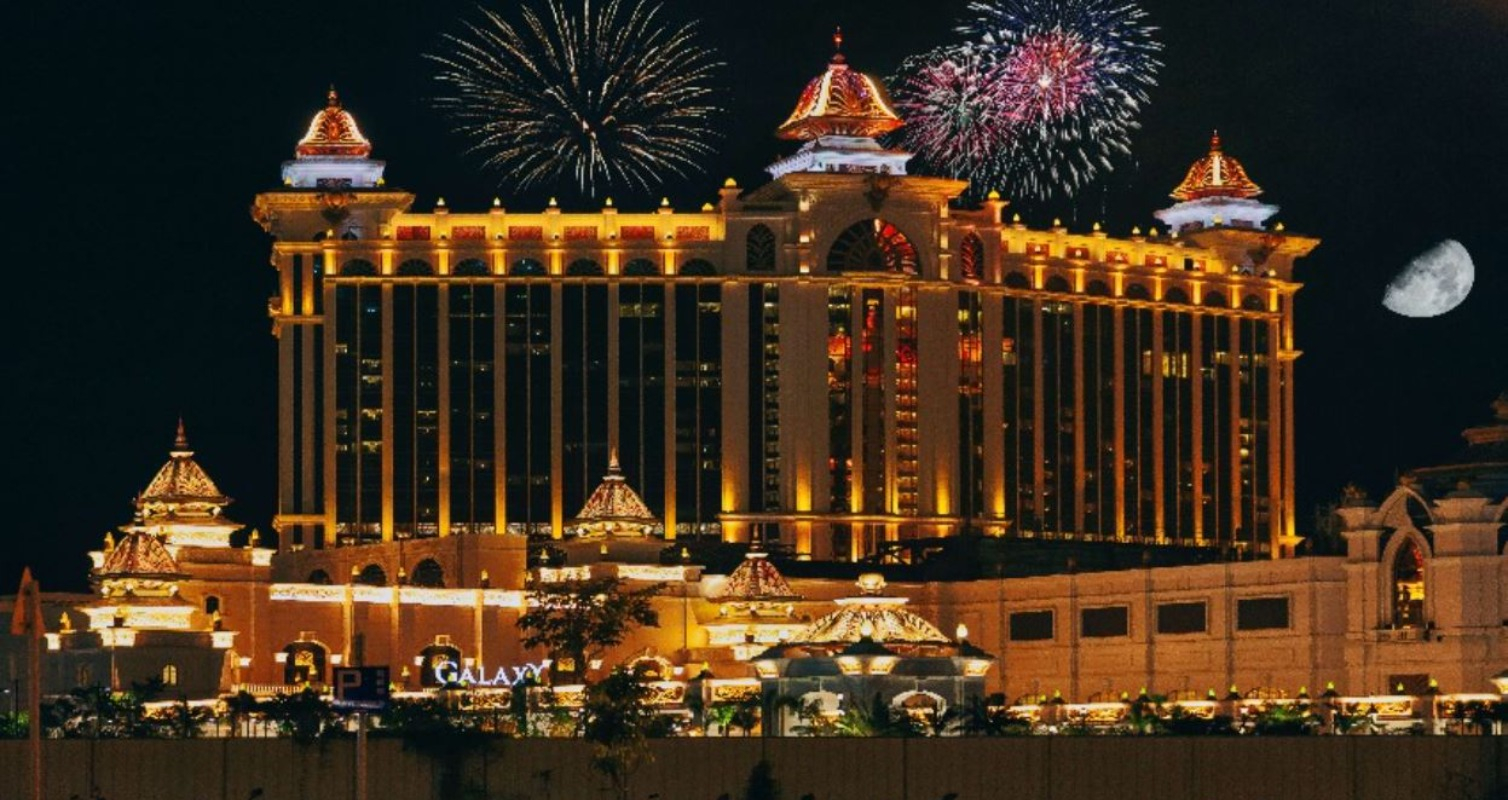
    Venetian Macau is the world largest casino and one of Asia’s most exciting entertainment destination. Nowhere else in Asia will you find such a rare combination of facilities, attractions and amenities.

    All 3,000 of its room are suites, each with more than 70 sqm of space and lavish Italian marble bathrooms take luxury to a new level.

    Experience shopping with over 350 international shops, be dazzled by the street performers, or take a ride on an authentic Venetian gondola, all at the resort.

    4. A Ma Temple

    Macau’s name is derived from A-Ma-Gau or Place of A-Ma and this temple dedicated to the seafarers’ goddess dates from the early 16th century.

    According to legend, A-Ma, a poor girl looking for passage to Canton, was refused by the wealthy junk owners but a lowly fisherman took her on board. A storm blew up and wrecked all but the boat carrying the girl.

    On arrival in Macau she vanished, to reappear as a goddess, on the spot where the fishermen built her temple.

    5. Macau Fisherman’s Wharf

    Macau Fisherman’s Wharf is a 111,500m² park and the first-ever cultural, themed and creative attraction in the tourism industry of Macau.

    Centrally located in the outer harbour and it is not purely a theme park, but also combines dining, shopping, entertainment, accommodation, convention and exhibition facilities in one single location which takes just a 5-minute walk from the Macau-HK Ferry Terminal and Heliport.

    6. Macau Tower

    Soaring 338 meters above the city, the Macau Tower is the 10th highest freestanding tower in the world and the 8th tallest in Asia.

    At the Outdoor Observation Deck the Tower dominates the skyline and offers breathtaking panoramic views of the Macau cityscape, China, the Pearl River and even some islands of Hong Kong on a clear day.

    There is also a Revolving Tower Restaurant seating 250 persons which takes 60 minutes to make one revolution.

    7. Kun Iam Statue

    This statue is dedicated to Goddess of Mercy. It is 20 meters tall and made of special bronze. The dome shape base like a lotus flower, is an ecumenical centre where information is available on Buddhism, Taoism and Confucianism.

    8. Wine & Grand Prix Museum

    Situated just side by side, Macau Wine & Grand Prix Museum is one of the interesting places to visit in Macau.

    The Wine Museum is the only one of its kind in Asia. One of the main targets of Wine Museum is to bring the visitor into contact with the social, economical and cultural importance of the wine in the Portuguese tradition, daily life and celebration rituals.

    The visitor can even taste different types of wine (wine tasting – “Prova de vinhos”), a unique experience for only a small price.

    The Grand Prix Museum in Macau contains exhibits that are related to Grand Prix worldwide including photos, videos, illustrated articles, cups, records of champions and some commemorative items.

    It was built in 1933 in memory of the 40th anniversary of Grand Prix Racing in Macau and is located in the Tourism Activities Center on Rua Luis Gonzaga Gomes.

    9. St Lawrence Church

    This is probably the richest & most beautiful church in Macau, not only of its decorations but also because of the objects displayed in the church.

    Originally it was built by wood in 16th century, renovated to the existing one from the 19th century.

    10. Greayhound Racing

    Macau Greyhound Racing takes place at the Canidrome on Avenida General Castelo Branco. These races are held on Mondays, Thursdays, Fridays and weekends starting from 7:45 p.m. and there are 16 games on every racing evenings.

    11. Guia Fortress

    Guia Fortress was initially designed to defend Macau from attacks from the sea, but because of its position overlooking the entire city, its chief value has been as an observation post.

    The lighthouse stands at 91 meters tall, and has a light visible for some 20 miles in clear weather conditions. The Guia Fortress was a restricted military area until 1976 when it opened as a major tourist attraction.

    12. City of Dreams

    City of Dreams is a unique integrated resort combining electrifying entertainment, an amazing array of accommodation, regional and international dining, as well as designer brand shopping.

    With The Bubble, a spectacular multi-media attraction and The Boulevard, a chic lifestyle precinct encompassing entertainment, restaurants and shopping boutiques, City of Dreams is the must-experience destination in Macau.

    13. Dom Pedro V Theatre

    Dom Pedro V Theatre is situated at Largo de Santo Agostinho, is one of the first western-style theatres in China. The theatre is an important landmark in the region and remains a venue for important public events and celebrations today.

    The theatre is neo-classical in design, incorporating a portico front on a rectilinear plan.

    14. Macau Museum

    Macau Museum was inaugurated in 1998. Its aim is to preserve the cultural traditions, usages and habits, which specifically belong to Macau, in a place where East, and West have so peculiarly learned how to meet and to live side by side along the centuries.

    15. Camoes Garden

    Camoes Garden and Grotto, is Macau’s largest park & one of the oldest parks. After the British moved out in 1835, it was bought over by a Portuguese merchant, who later built his resident house there.

    The merchant adored raising doves and his hundreds of doves always hovered near the garden, forming a marvelous scene famous near and far.

    After the death of the merchant, the garden was donated to the government and later opened to public as a memorial garden dedicated to Louis de Camoes, a famous Portuguese poet who lived four hundred years ago. Hence the name Luis de Camoes Garden.

    It is a popular spot for locals to do their morning exercises, to play chess, to walk their caged birds or to meet with friends.


    Other Articles

  • Must Visit Hong Kong Attractions

    Must Visit Hong Kong Attractions

    Victoria Peak

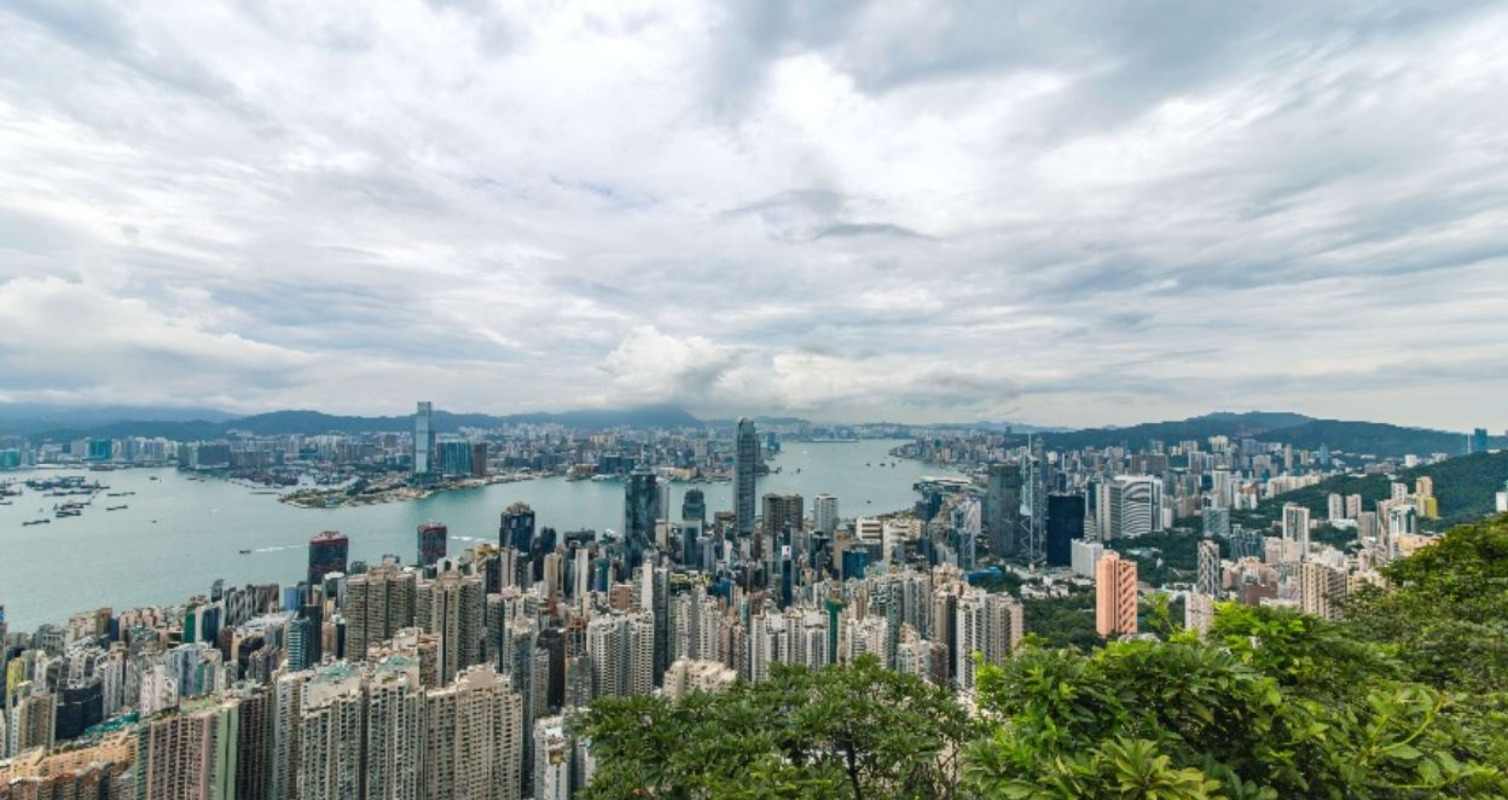
    Perching on The Peak at 396 metres above sea level, The Peak Tower is one of the most stylish architectural Hong Kong attractions.

    Inside The Peak Tower, there is a dazzling array of restaurants, shops and entertainment venues set against the beautiful backdrop of the city.

    Moreover, The Peak Tower boasts the highest 360° viewing platform – The Sky Terrace which offers spectacular panoramic views of the vibrant city.

    Avenue of Stars

    To pay tribute to outstanding professionals of Hong Kong’s film industry, HK$40 million was sponsored for the construction of the Avenue of Stars.

    Avenue of Stars is located along the Victoria Harbour waterfront in Tsim Sha Tsui, Hong Kong and is modeled on the Hollywood Walk of Fame

    Symphony of Lights

    The Symphony of Lights is the “World’s Largest Permanent Light and Sound Show” by Guinness World Records. It has been further expanded to include more than 40 buildings on both sides of Victoria Harbour.

    A stunning, unforgettable spectacle synchronised to music and narration that celebrates the energy, spirit and diversity of Hong Kong. Every night starting 8pm

    Disneyland

    Hong Kong Disneyland is the first theme park inside the Hong Kong Disneyland Resort and is the fifth Magic Kingdom-style park. Located at Penny’s Bay, Lantau Island.

    Come & experience the wonderful magical moments with your special ones in Disneyland!

    Ocean Park

    Ocean Park is a major attraction in Hong Kong, any visit to Hong Kong should include the world famous Ocean Park.

    The park has won several awards, including The World’s Seventh Most Popular Amusement Park and 33rd Most Visited Tourist Attractions in the World by Forbes.

    Ngong Ping 360

    Preserving the natural ecological environment and features of the Ngong Ping area and converging the custom and culture of the Lantau Island.

    Ngong Ping 360 is sure to refresh your body and enlighten your mind, as soon as you step on the Cable Car.

    Ngong Ping Village is set on a 1.5 hectare site on Lantau Island, adjacent to Ngong Ping Cable Car Terminal and the Tian Tan Buddha Statue.

    Looking up to the southwest from Tei Tan square in the middle of the Po Lin Monastery plaza, you will see a flight of 268 steps leading to the world’s largest outdoor bronze statue – the Giant Buddha.

    Repulse Bay

    Repulse Bay’s name comes from a 19th century battle in which the British army repulsed attacking pirates. Today, Repulse Bay is a luxurious residential area with the wide, wave-lapped beach is popular with locals and visitors alike.

    Lan Kwai Fong

    The night is always young at Lan Kwai Fong, a buzzing centre of clubs, bars and restaurants.

    It is a must for party goers & people watchers to visit this Western-style restaurants, nightclubs, delicatessens and bars.

    Hollywood Road

    Hollywood Road and Upper Lascar Row (also known as “Cat Street”), are must-see stops on every visitor’s itinerary.

    The street is crammed with antique shops and an open-air curio market, these quaint locales are ideal places for picking up eclectic souvenirs and gifts.

    Everything from Ming dynasty furniture and lotus lamps to Mao badges and ancient snuff bottles is on sale here.

    Nearby Man Mo Temple is a picturesque tribute to the God of Literature (Man) and the God of War (Mo).

    The temple is located about halfway along the road and a stop in its quiet, incense-shrouded interior makes a pleasant break.

    Stanley Market & Murray House

    Stanley Market is a popular market town on the sunny south side of Hong Kong Island. With its relaxed ambiance, crisp sea environs and bargain buys have made it world famous.

    You will find an interesting array of little shops selling silk garments, sportswear, art, Chinese costume jewelry and souvenirs.

    A hard morning of shopping is always nicely finished off by a sumptous lunch at one of the many restaurant such as Murray House.

    Situated beside Murray House is Blake Pier at Stanley.

    Ladies Street

    Anyone who visits Hong Kong would surely knows the existence of this famous street.

    It is a must-visit destination for fashion lovers with an eye for bargain-priced clothing, bags, accessories, toys, cosmetics and household products.

    Temple Street Night Market

    Temple Street is the busiest flea market at night in the territory of Jordan and Yau Ma Tei in Kowloon.

    Popular with both tourists and locals alike in the evening, it is common to see the place crowded at dusk.

    Fa Yuen Street Market

    While Ladies Market is by far the bigger and brasher of the two, Fa Yuen Street is also a brilliant introduction to consumerism, Hong Kong style.

    There is so much to see and buy here that the path that runs down the center is no wider than one person at some points while the stock is stacked so high that vendors need to use poles to retrieve many items.

    Jade Market

    The Jade Market, just west of Nathan Road on the junction of Kansu and Battery Streets, is where vendors sell various shades and qualities of jade, a greenish stone found in East Asia.

    Jade is a unique ornamental stone that can be found predominantly in East Asia and the worlds biggest trading centre for Jade is Hong Kong.

    Visitors can purchase various kinds of products made out of Jade at the Jade Market. Its product line includes jade rings, jade animals and even jade statues of Buddha. Special jade souvenirs and various trinkets are an ideal piece of memory to take home with.

    Top quality jade is pure green and very expensive. Most pieces have a yellow tinge but no brown or grey should be in the finished piece. The best jadeite is semi-transparent. Opaque jadeite with cloudy patches typically has less value.

    The market opens daily from 10 a.m. to 3:30 p.m.

    Yuen Po Street Bird Market / Flower Market / Goldfish Market

    Yuen Po Street Bird Market is a charming Chinese-style garden is the favoured gathering place of Hong Kong’s songbird owners, who carry their beloved pets around in intricately carved cages.

    The market contains some 70 songbird stalls as well as interesting courtyards and moon gates. Open from 7am to 8pm.

    The Flower Market features an array of bright and colorful, sweet-scented flowers of different interesting species.

    A jungle of exotic blossoms, luck-bringing houseplants and sweet scents to be found in more than 50 shops. It’s fun to walk around the market admiring the huge variety of flowers and plants for sale.

    It conducts a wholesale and retail business of flowers at lucrative price offers. The fragrance and beauty of the flowers displayed in this market create a charming aura. Many bonsai trees and indoor plants signifying good luck are also sold out here.

    The Goldfish Market is on Tung Choi Street south of Prince Edward Road West, and it is the place for fish lovers to go to for all manner of fish-related products. The whole street is full of shops selling all sorts of colorful fishes from fresh water species to deep sea species.

    Wong Tai Sin Temple

    Wong Tai Sin Temple is one of Hong Kong most famous temple, dedicated to the Great Immortal Wong.

    Locals & tourists could be seen daily making their prayers at the temple. The temple is known for granting any wishes thus lots of worshipers whose prayers were answered returning to thank the immortal.

    Golden Bauhinia Square

    1997 marks the important occasion of the return of Hong Kong, the former British colony to the People’s Republic of China, and the establishment of the Hong Kong Special Administrative Region (HKSAR).

    In celebration, China’s Central Government presented a gilded bauhinia statue to Hong Kong. The statue was placed in the square next to the Hong Kong Convention and Exhibition Centre facing the Wan Chai waterfront.

    Don’t miss the Daily Flag Raising Ceremony – 7.50am to 8.05am

    Tai O Fishing Village

    Situated on a river mouth, the village is just the ticket if you want a dose of traditional Chinese living.

    The houses are built on stilts over the river and its narrow lanes are filled with shops selling fish and other day-to-day items.

    The citizens here are mainly the Tanka people who are descendants of Hong Kong’s first settlers.

    Take a walk across the quaint bridge that straddles the river where you’ll find back-street lanes twisting through the clutter of houses.

    Hong Kong Wet Land Park

    Home to a stunning array of wildlife including birds, dragonflies, amphibians, mammals, reptiles, butterflies and fish, Hong Kong Wet Land Park is a world-class ecotourism facility aimed at promoting green tourism, education on environmental protection and wetland conservation.


    Other Articles
  • MIT Vending Machine at Media Lab

    MIT Vending Machine at Media Lab

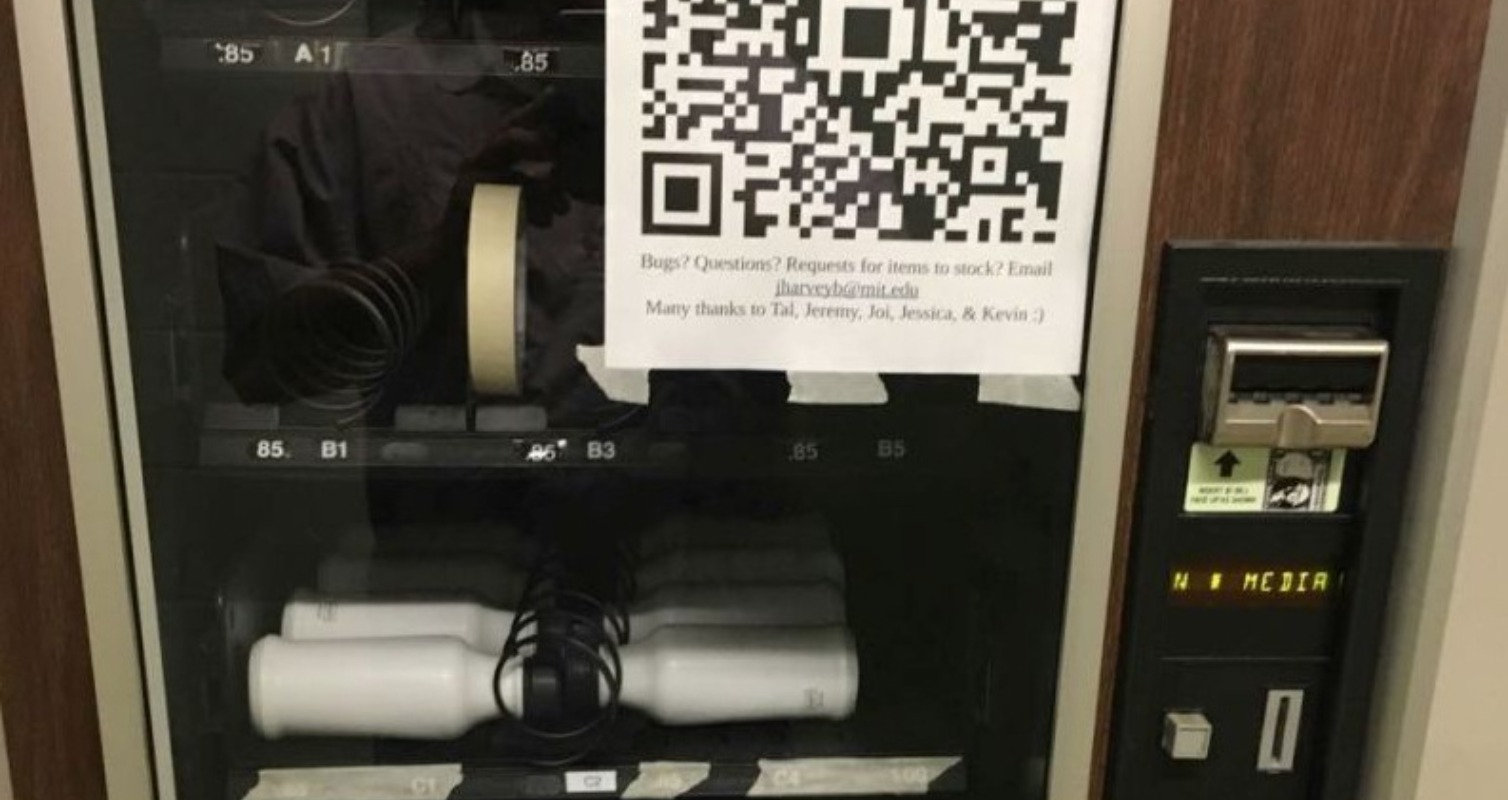
    Back in 2016, MIT’s Media Lab installed a quirky vending machine that’s become a bit of tech lore: it exclusively stocked Soylent (the meal-replacement drink/shake) and accepted payments only in Bitcoin via a scannable QR code. This wasn’t your average snack dispenser—it was a forward-thinking experiment in crypto payments, perfectly suited to the lab’s innovative, future-of-food-and-finance crowd. No cash, no cards—just BTC for your nutrient-packed bottle.

    What It Was

    • Concept: A standard-looking vending machine retrofitted for Bitcoin, dispensing bottles of Soylent 2.0 (the vanilla or chocolate ready-to-drink version at the time). Users scanned a QR code with their wallet app, sent the exact BTC amount (adjusted for real-time exchange rates, around $2-3 per bottle), and grabbed their drink. It highlighted early crypto adoption in everyday scenarios, blending Soylent’s “food as tech” ethos with Bitcoin’s decentralized vibe.
    • Purpose: Spearheaded by Media Lab folks (including director Joi Ito), it was a demo of seamless, low-friction crypto transactions. As one report quipped, it was “the vending machine that survives the robot apocalypse”—stocked with sustenance for coders who might not surface for days.
    • Tech Twist: Powered by simple blockchain integration; no fancy Lightning Network yet (that came later in MIT demos). It even tied into broader lab projects on digital currencies.

    When and Where

    • Launch and Timeline: Debuted around mid-2016 (first buzz in July), after months of hype on social media. It was a semi-permanent fixture but likely phased out as tech evolved—by 2017, mentions faded, and no signs of it running today.
    • Location: Right in the MIT Media Lab building (E14 on the Cambridge, MA campus), down the hall from project spaces. Easy access for students, researchers, and visitors fueling late-night hacks.
    • Availability: Bottles were always limited (photos show it half-empty), emphasizing exclusivity over mass sales.

    Impact and Legacy

    This machine sparked viral chatter for symbolizing a dystopian-yet-cool future: crypto-fueled, Soylent-sustained efficiency. It inspired other Bitcoin vending experiments worldwide but stayed niche. Fast-forward to 2025: MIT’s still crypto-forward (e.g., their Lit software for Lightning Network payments), but you’ll find regular snack machines on campus now. Soylent? Widely available online or at MIT co-ops, payable in USD (or BTC via some retailers).


    Other Vending Machine Applications

  • Literacy Vending Machine

    Literacy Vending Machine

    Launched around 2010–2011 by agency Bleublancrouge Média, this guerrilla-style stunt transformed everyday vending machines into “word dispensers” to spotlight how low literacy “costs” society—lost jobs, isolation, and unfulfilled potential. It won a Grand Prix at the 2011 Prix Média awards in the under-$250K campaign category, praised for its clever media buy and emotional punch.

    • The Concept: Repurposed coin-operated machines (like soda vendors) were wrapped in faux “deposit” branding, but instead of drinks, inserting a coin (e.g., $1–$2) dispensed motivational notes, literacy facts, or QR-linked resources—not literal words, but “deposits” into your knowledge bank. Some versions “vended” mini-booklets or referral cards to Info-Alpha (their helpline: 1-866-334-Alpha).
    • Interactive Twist: Machines displayed stats like “Illiteracy costs Quebec $1.5B yearly” or “1 in 2 adults struggles with forms,” urging inserts for a “word boost.” Tie-in ads encouraged donations to fund real books for kids.
    • Goal: Demystify literacy barriers in high-traffic spots, sparking conversations. It aligned with their Gift of Reading, where donors “buy” books for needy families.

    The campaign generated buzz—media pickups in Infopresse and Le Devoir—boosting helpline calls by 20% and donations for Gift of Reading (now serving 50K+ kids yearly). It wasn’t a permanent install but inspired ongoing activations, like 2022’s “Campagne 2022” with digital word challenges.

    The idea is to buy words for people who can’t read them. When you buy a word to support literacy efforts, the money that you contribute goes towards the foundation to fund programs.

    Justin Kingsley, VP special operations, Bleublancrouge

    Other Vending Machine Applications

  • Dirty Water Vending Machine

    Dirty Water Vending Machine

    The UNICEF Tap Project is an annual awareness and fundraising campaign launched in 2007 to highlight the global water crisis and support UNICEF’s Water, Sanitation, and Hygiene (WASH) programs.

    It encourages donations for the tap water people often take for granted, having raised nearly $2.5 million by providing clean water access in countries like Haiti, Iraq, and Vietnam. The “Dirty Water” vending machine was a standout guerrilla marketing stunt within this project, designed to shock passersby into action by literally selling contaminated water.

    How the “Dirty Water” Vending Machine Worked

    • The Concept: Created by ad agency Casanova Pendrill (now part of McCann) with a $0 budget, the machine repurposed a broken-down vending unit into a stark symbol of the crisis. For $1 (via cash, text “TAP” to 864233, or online), users “bought” a bottle of murky, brown water laced with visible particles—safe but unpalatable—to mimic what 1 billion people drink daily.
    • The “Flavors”: Eight buttons labeled deadly waterborne diseases common in developing regions, turning a routine purchase into a gut-punch:
      • Malaria
      • Cholera
      • Typhoid
      • Dengue
      • Hepatitis
      • Dysentery
      • Salmonella
      • Yellow Fever
    • Messaging: The machine blared facts like “4,200 children die daily from water-related diseases” and “Thirsty? So are millions around the world with no access to clean water. Just $1 provides 40 days of safe water for a child.” Bottles included donation receipts and UNICEF info.
    • The Impact: Nobody drank the water (as footage shows shocked reactions), but it sparked viral media coverage (e.g., NYT, Inhabitat) and boosted donations beyond expectations. It humanized stats: Imagine choosing between “hepatitis” or “dysentery” for your kid.

    Unsurprisingly, while many people chose to pass on the contaminated water, they did choose to donate money to the Tap Project fund, either by putting money directly into the vending machine, or by text donations.

    This eye-opening Dirty Water initiative from Casanova Pendrill New York, went beyond the usual collection strategies for Unicef with this unique street activation, that shocked the local public who encountered the event.


    Other Vending Machine Applications

  • Vote Vending Machine

    Vote Vending Machine

    The exhibit on the Vote Vending Machine starts with this introduction:

    As a conservation charity with limited funds, Chester Zoo has to support projects that will give the greatest impact. This often means making difficult decisions between spending our money in the UK or abroad.

    Following are descriptions of the five projects:

    • The upkeep of Chester Zoo’s Realm of the Red Ape exhibit, which supports the orang-utan breeding programme in Europe.
    • Government lobbying to stop unlicensed logging.
    • Develop eco-tourism to promote alternative livelihoods for communities living alongside the orang-utans.
    • National park wardens to protect the forest and prevent poaching.
    • Education programmes in Sumutra and Borneo to change behaviours and attitudes towards wildlife and conservation.

    Visitors are then asked ‘which would you support?’ and are given the opportunity to vote by purchasing a £1 badge from the machine, which will be used for good cause.


    Other Vending Machine Applications

  • Charity Vending Machine for Education

    Charity Vending Machine for Education

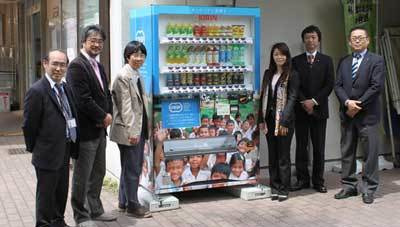
    A charity vending machine that supports educations in Cambodia was installed at COOP Life Center on Nishi-Chiba Campus with 2% of its sales go towards the education fund, offering students, faculty, and visitors a simple yet meaningful way to contribute to global education equity with every purchase.

    The project is part of a broader university-led effort to promote social responsibility and global citizenship among the campus community. Managed in collaboration with student volunteer groups and international NGOs, the vending machine not only raises funds but also serves as a visible reminder of global interconnectedness—turning an everyday act like buying a drink into a gesture of solidarity.

    Brightly labeled with information about the cause it supports—including photos, facts about education challenges in Cambodia, and impact metrics—the machine encourages mindful consumption. QR codes on its surface allow users to learn more about the partner organizations and even track how their contributions are making a difference.

    “This isn’t just a vending machine—it’s a small window into how daily choices can create ripple effects across the world,” said a representative from the campus cooperative. “We hope it inspires students to think beyond their immediate surroundings and engage with global issues in tangible ways.”

    Located in the bustling COOP Life Center—a hub for student life, shopping, and services—the charity vending machine stands as a quiet yet powerful symbol of Chiba University’s commitment to education, sustainability, and international cooperation.

    Every can of tea, bottle of water, or soft drink purchased doesn’t just quench thirst—it helps light a path to learning for a child thousands of kilometers away.


    Other Vending Machine Applications

  • Red Cross Charity Vending Machine

    Red Cross Charity Vending Machine

    After the March 11, 2011 earthquake, tsunami, and nuclear crisis, Japan faced unprecedented humanitarian needs. With infrastructure damaged and supply chains disrupted, Coca-Cola Japan leveraged its extensive vending machine network—over 700,000 units nationwide—to support recovery efforts.

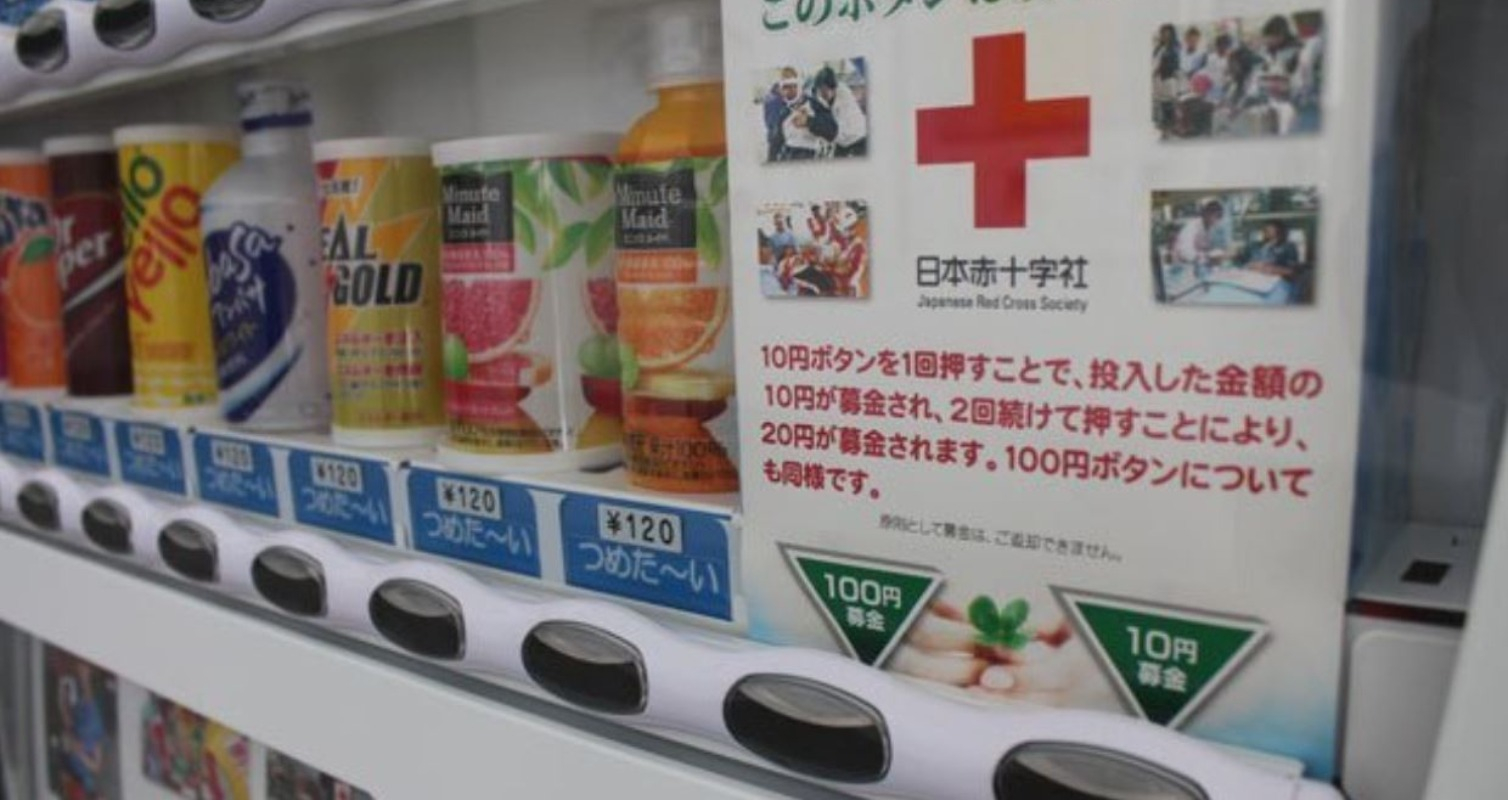
    In collaboration with the Japanese Red Cross Society, Coca-Cola launched a special vending machine campaign that allowed consumers to make small, instant donations with the press of a button.


    🟥 How the “Donation Button” Vending Machine Works

    These are standard Coca-Cola beverage vending machines (selling drinks like Coke, Aquarius, and Georgia Coffee), but with one key addition:

    • A clearly marked red button labeled:
      “寄付する” (Kifu suru – “Make a Donation”)
      or
      “支援ボタン” (Shien botan – “Support Button”)

    📍 Where Are These Machines Located?

    • Nationwide, but especially in:
      • Train stations (JR East, Tokyo Metro)
      • Convenience store exteriors (FamilyMart, Lawson)
      • Public parks, schools, and office buildings
    • Machines are clearly branded with Japanese Red Cross and Coca-Cola logos.
    • During major disasters (e.g., Kumamoto earthquakes in 2016, Hokkaido typhoon in 2018), Coca-Cola reactivates or expands the campaign.

    📊 Impact & Scale

    • Since 2011, millions of donations have been made via these machines.
    • In the first year alone (2011–2012), over 10 million button presses generated ¥1 billion+ (≈$10M) in combined corporate and public goodwill funding.
    • The program has become a symbol of “kizuna” (bonds of solidarity) in Japanese disaster culture.

    🧠 Why It’s Innovative

    • Frictionless giving: No app, no wallet—just a button press during daily life.
    • Trust & transparency: Partnership with the highly respected Japanese Red Cross ensures credibility.
    • Shared responsibility: Coca-Cola pays, but the public participates symbolically, creating emotional investment.
    • Permanent readiness: Machines remain active even in peacetime, ready to scale during crises.

    Cultural Resonance

    In Japan, where public modesty and collective action are valued, the donation button allows people to contribute quietly, instantly, and without fanfare—aligning perfectly with cultural norms. It turns a mundane act (buying a drink) into a moment of compassion.


    Current Status (2025)

    The Coca-Cola × Japanese Red Cross Donation Button Vending Machine remains active across Japan. While not every Coca-Cola machine has the button, thousands do—and the program is reactivated or highlighted during emergencies.

    It stands as one of the world’s most successful examples of corporate infrastructure repurposed for civic good—proving that even a soda machine can carry a message of hope.


    Other Vending Machine Applications

  • Workplace Safety Vending Machine

    Workplace Safety Vending Machine

    Unfortunately, there’s no easy fix when it comes to work place incidents. WorkSafe Victoria brought to life the terrifying consequences of work place incidents with this striking installation. A Workplace Safety Vending Machine designed to sell spare body parts.

    The Body-O-Matic machine was first unveiled at the National Careers and Employment Expo and on a statewide tour of worksites and training facilities.

    Key Details:

    • Launch Date: April 2009
    • Location: High-traffic public areas in Melbourne, Australia (e.g., train stations, shopping centers)
    • Creators:
      • WorkSafe Victoria (government safety regulator)
      • Lifelounge (creative agency)
      • OddStudio (special effects/prosthetics studio)
    • Purpose: Highlight preventable workplace injuries (over 1,000 amputations and thousands of serious injuries annually in Victoria at the time)
    • Pricing (ironic): $1.50–$2.50 per “body part”
    • Tagline: “You can’t replace your body parts.”

    The campaign used guerrilla marketing and visceral shock value to drive home the message: workplace safety isn’t optional.

    It became a global viral sensation, praised for its bold creativity and lasting impact on public awareness.


    Other Vending Machine Applications