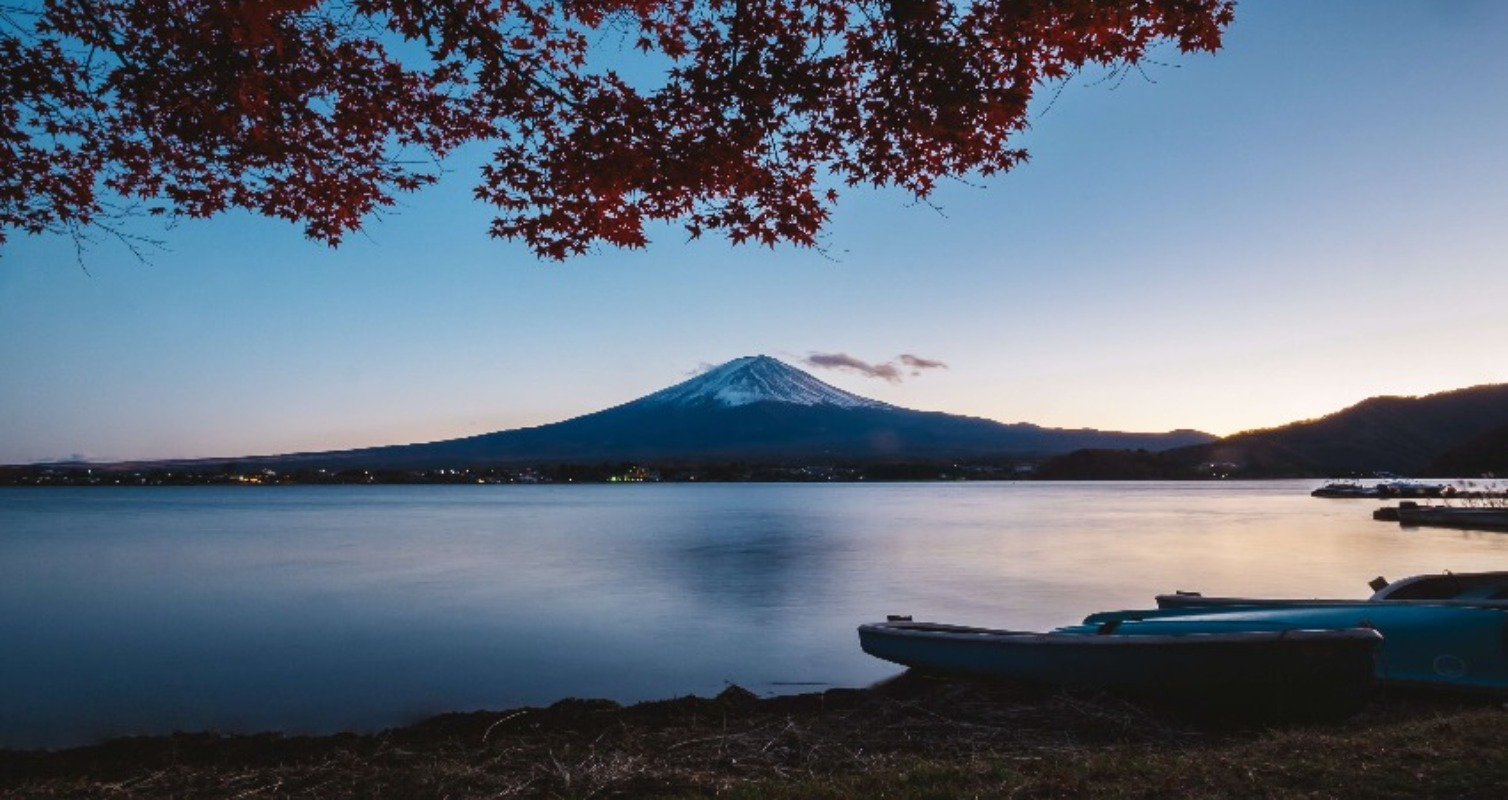
Even up at the mountain, convenience rules. This photo might just be showing the world’s highest placed vending machine.
📸 A Symbol of Japanese “Omotenashi” (Hospitality)
These near-summit vending options reflect a core Japanese value: anticipating needs, even in the most extreme places. For exhausted climbers battling altitude, thirst, and fatigue, the sight of a Vending Machine feels almost miraculous.
As one climber wrote:
“At 3 a.m., shivering in the dark, I bought a ¥700 canned coffee from a machine run by a hut with no running water. It tasted like heaven.”
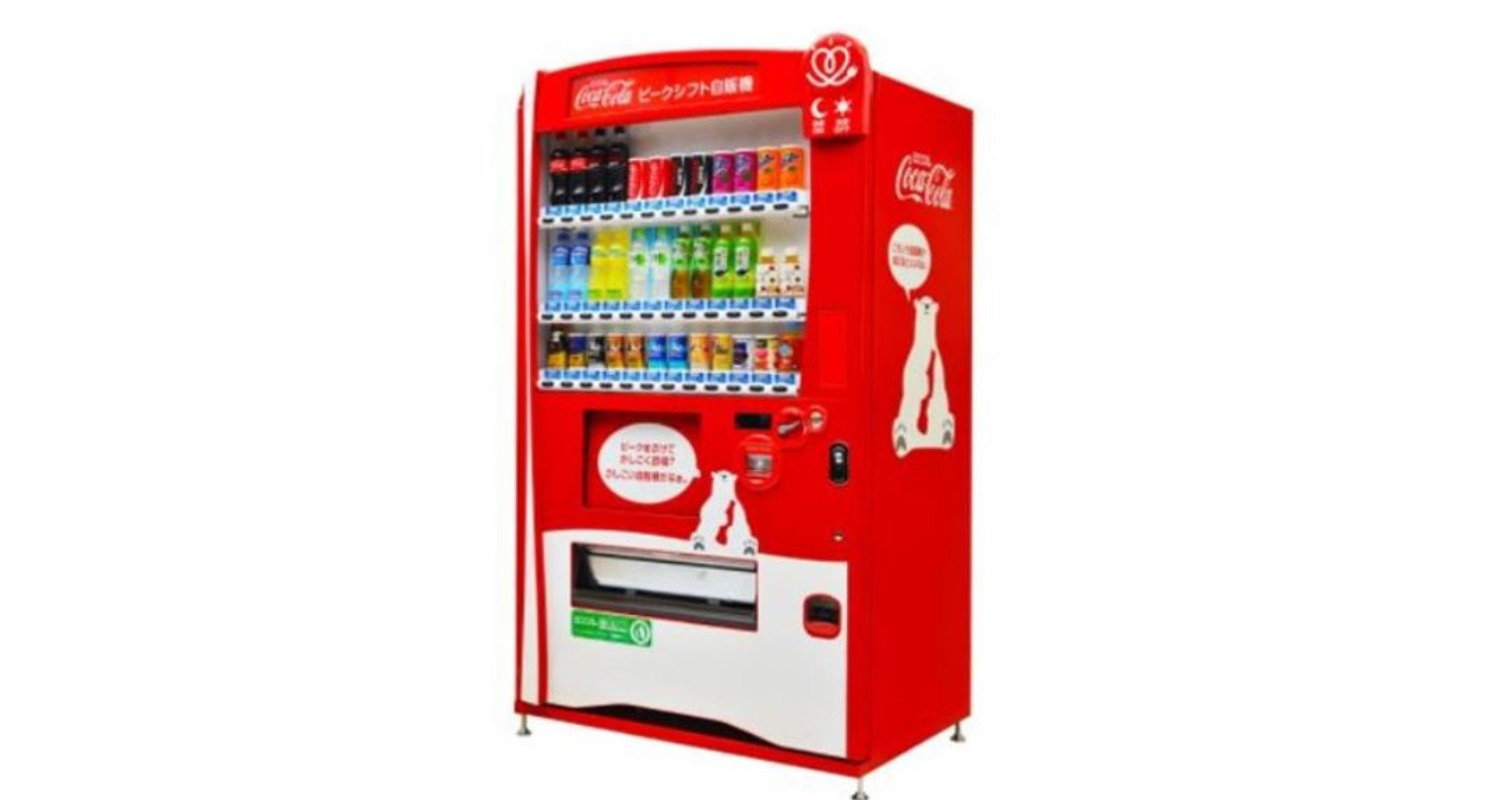
Japan’s Ministry of Economy, Trade and Industry has presented ‘Peak Shift’ vending machines with the Energy Conservation Grand Prize. The innovation saves energy by shifting power used to cool beverages from day (when energy demand is highest) to night.
Thinking behind the innovative ‘Peak Shift’ vending machines was the desire to contribute to the energy situation in Japan. There is shortage following the Great East Japan Earthquake that struck in 2011.
Since demand for electricity generally peaks in the daytime, this new peak-shift type of vending machine uses electricity for refrigeration during the night time. During the time when most people are sleeping, electricity demand is comparatively low, thereby significantly reducing power consumption during the day.
Refrigeration is performed entirely during the night, and then maintained through a highly advanced insulation technology that employs vacuum insulation materials, as well as a thermal-storage technology that enables efficient electricity usage in the daytime.
This allows the vending machine to provide cold beverages for an entire day. Less electricity is consumed for refrigeration during that peak energy-demand time.
In the north of the Okinawa mainland, a number of vending machines participate in ecological research for the Okinawa Rail, an endangered species of bird and Japanese natural monument.
Existing vending machines were fitted with IC recorders and recorded the calls of the rails, providing data for surveying and analyzing.
As a result, through the vending machine recordings, scientists discovered that the Okinawan rails have a special call that can only be heard within this specific frequency. Because no other animals use the frequency, it is now thought that this unique trait of the rails evolved in the Yanbaru forests for protective reasons.
This project had a unique approach to studying birds’ biology, and that was to use environmental sounds. From those sounds, the distinct traits of both the Okinawan rail and the Yanbaru forests were understood for the first time.
Yukihiko Nakamura
There has never been a large number of Okinawan rails, but their numbers are decreasing as traffic in the region increases, and they’re being hit by cars. The Ministry of the Environment declared a state of emergency in 2007 and 2010.
The biological survey revealed that Okinawan rails might have a harder time sensing approaching cars during rainy weather. As a result, conservationists are hoping that in the future, specific measures to prevent the birds’ traffic deaths will be taken under consideration.
Nakamura explained the details of this undertaking, saying
In the future, we hope that by researching man-made noise’s effect on the Okinawan rail, we will be able to help to prevent their extinction.
Some say the convenience of vending machines itself is a problem in that anyone of any age can buy things from them. Since 2008, the majority of tobacco vending machines have featured a “Taspo” age verification unit with an IC card system. Until then, however, anyone could buy cigarettes without any verification.
As for the situation regarding alcohol vending machines, the alcoholic beverages industry has started to replace old machines with ones that require purchasers to present either a driver’s license or an ID magnetic card as well as their self-imposed restraint. However, because it has not been legislated by law, a small number of the old vending machines – without age verification systems – still remain in the streets.
Electricity Consumption
There is another growing concern over the electricity consumption of the machines. Particularly, drink vending machines, which run 24 hours a day in order to keep drinks hot and cold, have come in for harsh criticism.
The vending machine industry has already developed a technology called “zone cooling,” which can quickly and intensively cool down the products to be sold. There has also been a drive to try to cut energy by using automatic lighting systems with sensors, and by reducing the brightness of the lighting. Thanks to such initiatives, in 2005 the industry finally succeeded in cutting the annual electricity usage per vending machine by half, compared with the energy use statistics in 1990.
AIDS Concern has distributed free condoms in a safer sex vending machine in New Asia College, the Chinese University of Hong Kong (CUHK). The ongoing collaboration between AIDS Concern and the New Asia College Student Union received positive feedback from university students and more than 1,200 free condoms were distributed in six months.
Mandy Cheung, Program Director of AIDS Concern, is happy that the collaboration enjoys vast support from university students.
There is a prominent increase in the HIV infection rate among young people in recent years and more effort on HIV prevention work shall be invested.
Inspiration from other locations
Mandy made reference to Taiwan, where approximately 10 universities with condom vending machines have been installed, and a series of preventive education programs has been launched to reduce the infection rate among young people.
For many years, AIDS Concern approaches young people through free HIV/AIDS education and testing services to promote the importance of safer sex, in order to reduce their risk of HIV infection.
About AIDS Concern
AIDS Concern was established in 1990 as the first non-government charity organisation committed to the service of AIDS care in Hong Kong. The founders were a group of volunteers from different backgrounds dedicated to improving the living standards for people living with HIV and to stop the spread of HIV.
In Germany, newspaper vending machines—known as Zeitungsautomaten—have long been a staple of urban and suburban landscapes, offering round-the-clock access to the day’s headlines. These sturdy, coin-operated metal boxes, often painted in bold colors matching their publisher’s branding, evoke a sense of nostalgia amid the digital news revolution. While they’ve dwindled in number due to the rise of online subscriptions and apps, they persist in key locations, serving impulse buyers, early risers, and those who still crave the tactile rustle of newsprint.
A Brief History
Zeitungsautomaten trace their roots to the early 20th century, but they boomed post-World War II as literacy rates soared and daily papers like Bild, Frankfurter Allgemeine Zeitung (FAZ), and Süddeutsche Zeitung (SZ) expanded circulation. By the 1970s–80s, they dotted sidewalks near train stations (e.g., Berlin’s Hauptbahnhof), bus stops, and kiosks, stocked by delivery vans before dawn. Unlike U.S. “honor boxes,” German models typically use a coin mechanism that unlocks the door only after exact (or over) payment—no change given, but overpayment is common and accepted. This “Überzahlung möglich” (overpayment possible) system relies on trust, much like the papers themselves.
The digital shift hit hard: Circulation of print dailies fell from 25 million in 2000 to about 13 million by 2025, per the German Publishers and Booksellers Association (Börsenverein). Vending sales now account for under 5% of total distribution, down from 20–30% in the 1990s. Yet, they’re not obsolete—global market reports project steady (if modest) growth in newspaper vending tech through 2031, with Europe (including Germany) emphasizing durable, weatherproof designs.
How they work
These machines are simple, mechanical marvels—no apps or screens in most cases:
Payment: Insert €1–€3 coins (e.g., two €1.50 for a Bild daily; €2.50–€4 for weeklies like Die Zeit). Some accept €1 bills via slots.
Unlock: The door springs open for one paper (or a stack if you’re cheeky, though rare). Close it, and it relocks.
Stocking: Publishers or local distributors refill daily, fitting formats like Berliner (tabloid, e.g., Bild), Rhenish (folded broadsheet, e.g., FAZ), or Nordic (compact, e.g., SZ).
Capacity: Holds 50–200 copies, with a small window showing the top paper to lure buyers.
Modern upgrades include tamper-proof locks, anti-graffiti coatings, and LED lights for visibility. A standout innovation: Since March 2024, the first Bitcoin-accepting Zeitungsautomat went live in Berlin, using a QR code scanner and Lightning Network for instant micropayments—enter a PIN post-transaction, and grab your Tagesspiegel. It’s a pilot, but it nods to Germany’s crypto-friendly vibe (Berlin’s a blockchain hub).
Current Status
They’re declining but far from extinct. Urban density keeps them viable in high-traffic spots, while rural areas see them repurposed as community notice boards or mini-libraries.
Challenges include theft (papers nicked without pay), weather damage, and low ROI—many publishers prioritize home delivery or apps.
Cultural Significance and Future
Zeitungsautomaten symbolize Germany’s love for efficiency and print’s reliability—think a quick Bild grab en route to work, headlines blaring about Bundesliga drama or politics. They’re photogenic too: Stock images from Munich’s streets capture rows of colorful boxes under rain-slicked skies. In a nation where 70% of adults read print weekly (per Reuters Institute 2025), they bridge old and new.
Looking ahead, expect hybrids: Machines vending mags, books, or e-paper codes alongside news. With EU green pushes, solar-powered models could emerge. For now, they’re a reminder: In a swipe-right world, sometimes you just need to insert a coin and pull the door.
In the United States, publishers have said that the distribution of newspapers by means of street racks is “an essential method of conveying information to the public”. Below is one seen in Japan.
Japan is a nation of vending machines – 5.2 million of them! You find them everywhere, selling all sorts of products. And many vending machines in Japan do much more than simply sell things.
There are ultra-energy-efficient vending machines, vending machines with lifesaving equipment, vending machines that give you the option to donate your change to charity, and vending machines that can evaluate a customer’s age and gender in order to recommend specific drinks.
Japan pioneered vending machines that could dispense hot drinks in cans. The inspiration behind their development might surprise you. Retro, low-tech vending machines still exist, and they have ardent fans. On this edition of BEGIN Japanology, it will examine the unique history of how Vending Machine developed in Japan, as well as their features.
https://www.youtube.com/watch?v=jcmy8FaaHHM
Vending Machines in Japan
Vending machines in Japan are ubiquitous and offer a fascinating insight into the country’s advanced technology and consumer culture. Here are some interesting points about vending machines in Japan:
Diversity of Products: Japanese vending machines sell a wide variety of items beyond just drinks, including hot meals, fresh produce, umbrellas, cigarettes, electronics, and even fresh eggs. This diversity reflects the convenience-oriented culture and the high level of trust within society.
Advanced Technology: Many vending machines in Japan incorporate cutting-edge technology. For example, some machines can detect the customer’s age and gender to recommend products or display targeted advertisements. Others use facial recognition to suggest drinks based on perceived preferences.
Energy Efficiency: Manufacturers like Fuji Electric have developed “peak shift” vending machines that cool drinks during off-peak hours to save energy during the day when electricity costs are higher. This is part of broader efforts in Japan to be more energy-efficient and environmentally conscious.
Accessibility and Convenience: Vending machines are found everywhere in Japan, from city streets to remote mountain areas. They serve as a convenient solution for accessing goods 24/7, which is particularly useful in places where traditional shops may not be available around the clock.
Cultural Integration: The widespread presence of vending machines also reflects aspects of Japanese culture such as a preference for automation and minimizing human interaction in transactions. It caters to the fast-paced lifestyle and provides a sense of safety and privacy in purchasing.
Unique Offerings: Some vending machines in Japan offer unique or regional items, giving locals and tourists alike an opportunity to experience something special. For instance, certain machines might sell local beverages or snacks that are hard to find elsewhere.
These features make vending machines in Japan not just a means of selling products, but also a reflection of technological advancement, cultural values, and societal norms.
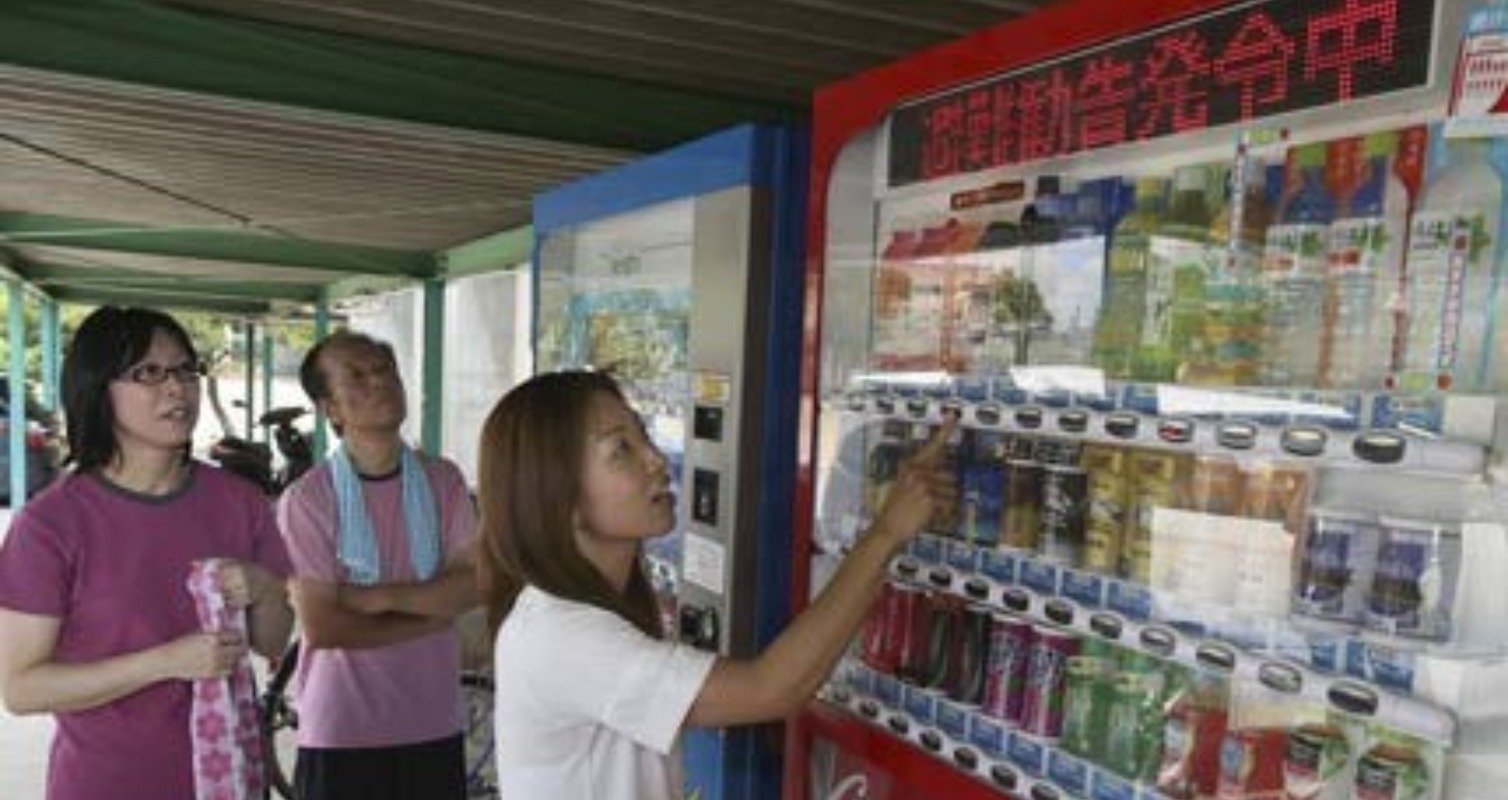
Vending machines designed to help people survive disasters through providing beverages for free and displaying emergency bulletins have been increasing since the 2011 Great East Japan Earthquake.
The trend is a combination of local municipalities’ need to increase their emergency stockpiles at lower costs and the desire among beverage makers to enhance their corporate image through social contributions.
When the Great East Japan Earthquake hit on March 11, 2011, Coca-Cola Japan Co. employs the remote control functions on about 400 disaster-relief vending machines with backup batteries in the Tokyo metropolitan area and other locations.
The Tokyo-headquartered company offered more than 88,000 of its beverages for free to people who had difficulty returning home in the aftermath of the disaster.
The company said it later received words of gratitude such as, “It was nice to get a hot drink for free in such a cold situation.”
In many cases, the machines are installed at schools and gymnasiums used as evacuation centers, based on disaster assistance agreements between local governments and beverage makers.
Yoshiteru Murosaki, a professor emeritus at Kobe University and expert on urban planning for disaster mitigation, said:
Disaster-relief vending machines are useful not only for stockpiling beverages, but also for raising the disaster-prevention awareness of residents who see the machines regularly. Companies and local governments should cooperate to keep installing more similar machines.
A fortune telling vending machine offers a unique blend of amusement and mystique, allowing users to receive personalized fortunes or predictions at the drop of a coin or the swipe of a card. These machines can be found in various locations around the world, including Japan, where they are particularly popular due to a cultural fascination with fortune-telling and novelty vending machines. Here’s an overview of what these machines entail and their appeal:
Features:
Variety of Fortunes: Users can receive different types of fortunes, ranging from general life guidance, love predictions, career advice, to daily or yearly outlooks.
Interactive Elements: Some machines offer interactive experiences, such as asking the user to select a particular area of interest or having them press a button or pull a lever to “randomly” generate their fortune.
Customization: Certain advanced models might allow users to input their birth date, zodiac sign, or other personal information to tailor the fortune to the individual.
Souvenir Option: In addition to the fortune itself, some machines provide a printed slip or card as a keepsake, while others may even offer small charms or trinkets related to the fortune given.
Appeal:
Entertainment Value: For many, the primary attraction is entertainment. It’s a fun way to pass time and adds an element of surprise and excitement to one’s day.
Cultural Significance: In cultures where fortune-telling holds significance, these machines tap into traditional beliefs and practices, offering a modern twist on age-old customs.
Accessibility: Fortune telling vending machines make the concept of receiving a fortune more accessible and immediate, without the need for visiting a professional fortune teller.
In Japan, where vending machines selling everything from drinks to hot meals are ubiquitous, finding a fortune telling vending machine is not uncommon. They often attract curiosity and serve as a playful nod to both technological innovation and cultural traditions. Whether you’re a believer in fortune-telling or simply curious, these machines provide a quick, intriguing experience that can add a bit of mystery to your day.
When someone’s depressed or is beset with troubling issues, many in Japan would rather visit a fortuneteller than a psychiatrist.