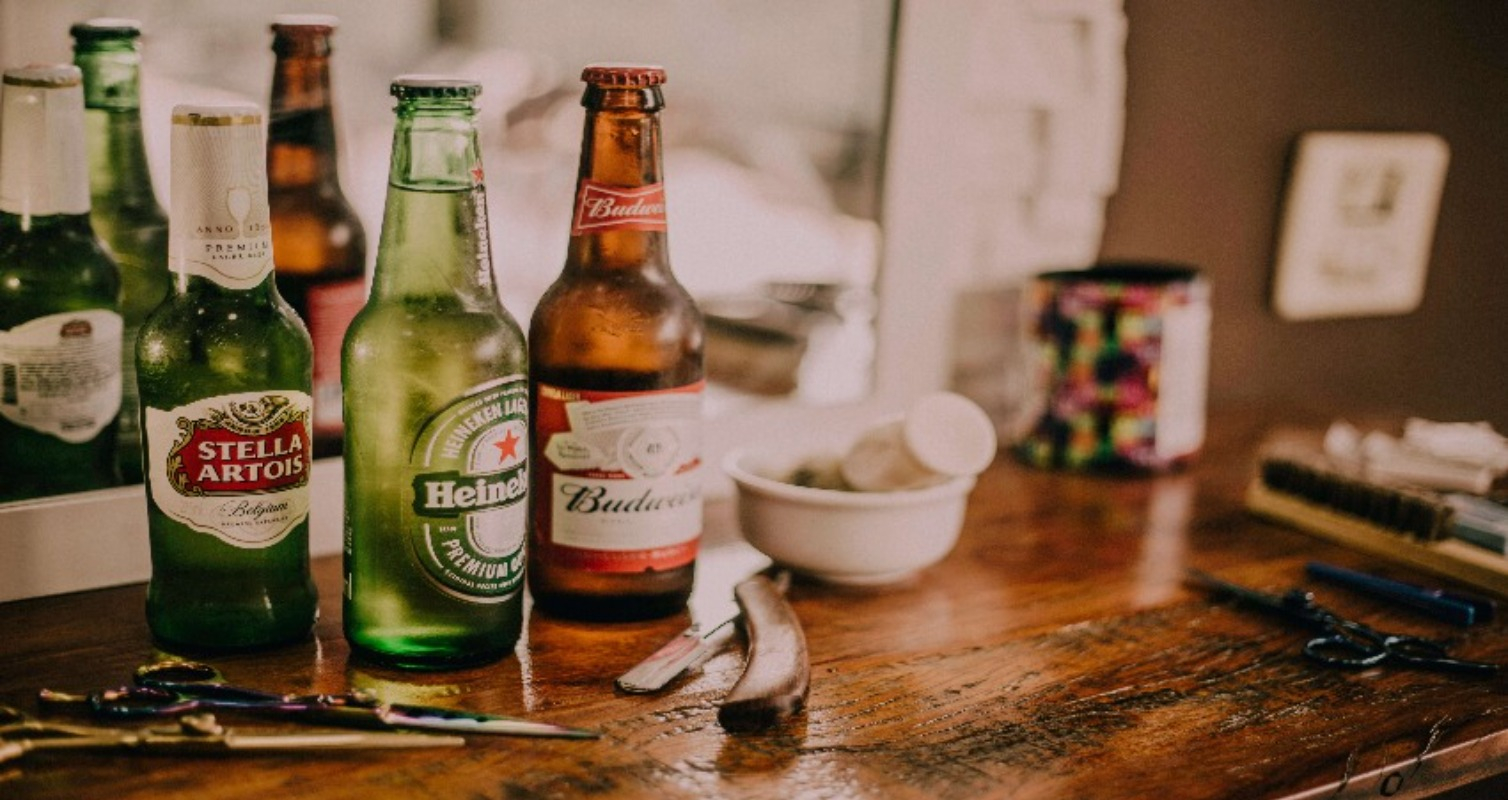
Buying a beer could be as easy as pressing a button of alcohol vending machines after this legislative session.
Rep. Richard Raymond (D-Laredo) is working to legalize the sale of alcohol in vending machines at certain establishments licensed for the on-premise consumption of alcohol. Vice chair Roland Gutierrez (D-San Antonio) laid out the bill at a hearing for the bill Monday.
Customers would present their IDs to the establishment’s staff and receive a wristband to verify that the consumer is over 21 years old, Gutierrez said.
‘The customer must present an employee of the establishment with a valid ID, which is scanned into a database and tied to a customer’s credit card,” Gutierrez said. “The customer is then given a uniquely encoded wristband to access the machine.’
The bands would track the amount of alcohol consumed by a bar patron and limit alcohol intake. Vending machine users would be cut off after 30 ounces of beer, 10 ounces of wine or three ounces of liquor, Gutierrez said.
The standard drink is 12 ounces of beer, five ounces of wine and about one-and-a-half ounces of liquor.
‘The automated dispensing machine system benefits businesses by reducing overhead and staff costs, allowing for easier management of inventory, strictly controlling customers’ consumption and guarding against underage drinking,’ Gutierrez said.
According to advertising junior Kara Endahl, vending machines could be more convenient at a crowded bar.
‘I think it would save a lot of time because the lines at bars get so long, especially if there’s a big game going on,’ Endahl said. ‘I know last time we were waiting for, like, 30 minutes for a beer.’
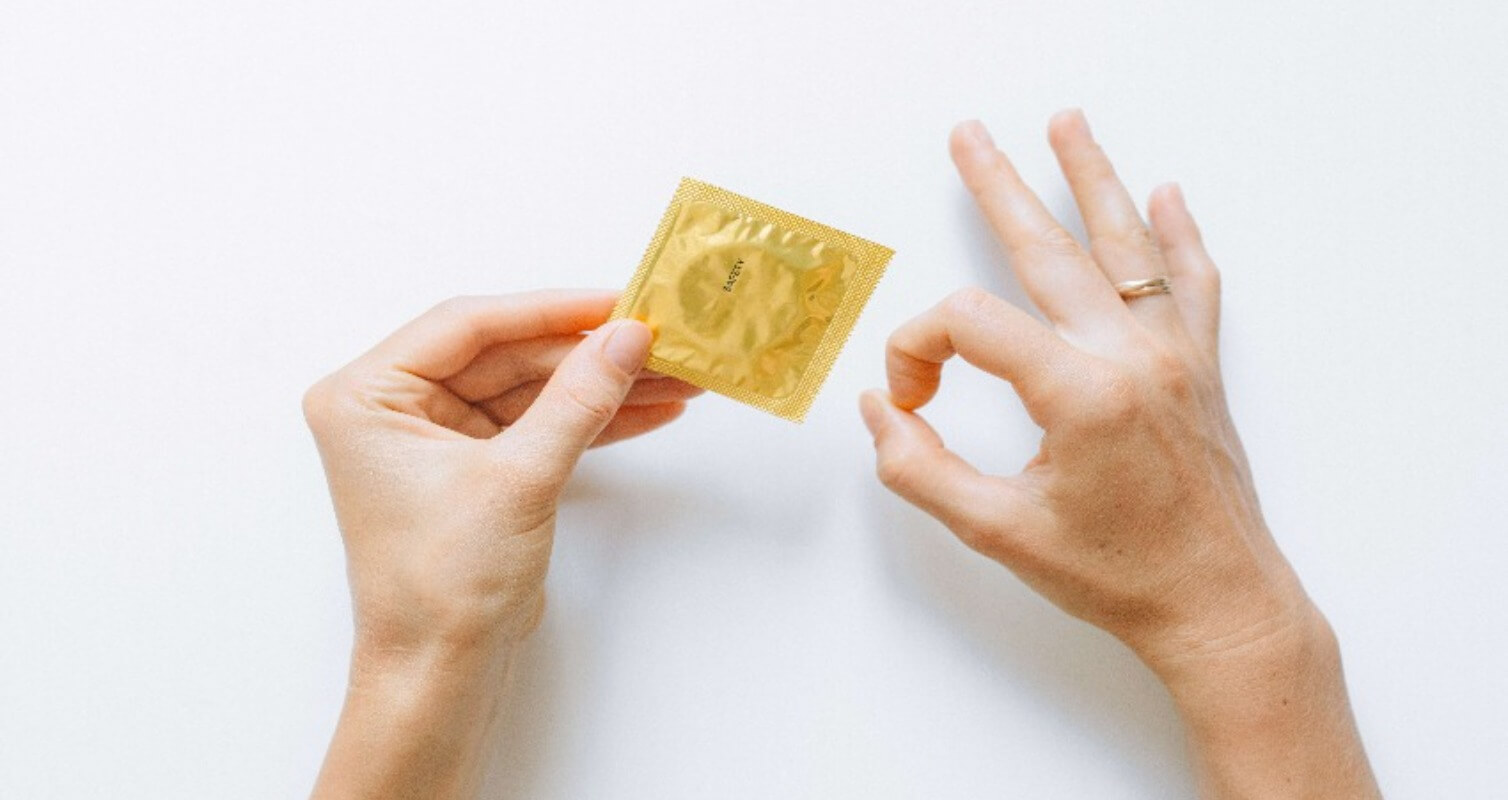
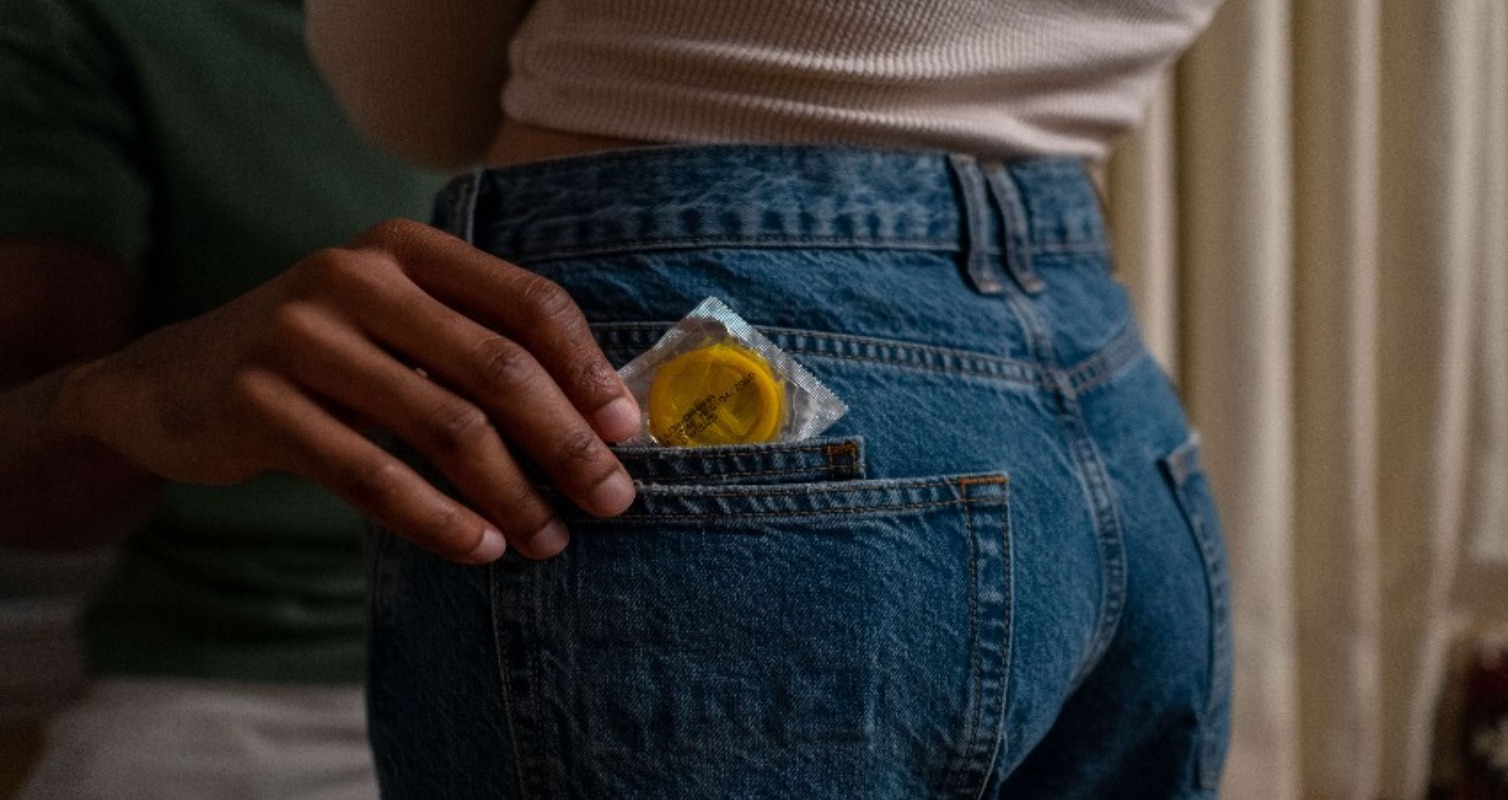
State Aids Control Society is gearing up to install safe sex vending machine in all public toilets selling condom in the city. While the idea is not new to the city, the machines installed in Sulabh toilets and the ones in the RTC bus stations were not finding many takers as they are not well maintained.
Municipal Corporation of Hyderabad’s plan to construct nearly 100 modern toilet complexes in the city has come as a shot in the arm for the APSACS.
Of the 100 planned modern toilets, over 50 has already been finished in different parts of the city.
According to Kallol Mukherjee of the Technical Resource Unit, APSACS already maintains 200 condom vending machines, with 80 being inside toilets.
APSACS also has condom vending machines in toilets of various cinema theatres.
“We realised that the public are not very comfortable with using condom vending machines in open places,” Mukherjee said.
APSACS figures also substantiate the apprehension. The vending machines installed in public toilets saw a 70 per cent increase in the daily movement of condoms.
In a recently undertaken pilot project, the Delhi State Aids Control Society installed condom vending machines in toilets of the secretariat. Much to their surprise, nearly 4,000 condoms were picked up by the secretariat officials and employees in just two days.
According to Mukherjee, the idea is to take the total number of such safe sex vending machine to 500 before the end of this financial year.
Readers craving for books in the middle of the night can get a quick fix at one of the French capital’s five newly installed book vending machines.
‘We have customers who know exactly what they want and come at all hours to get it,’ said Xavier Chambon, president of Maxi-Livres, a low-cost publisher and book store chain that debuted the vending machines in June.
It’s as if our stores were open 24 hours a day.
Stocked with 25 best-selling titles, the machines cover the gamut of literary genres and tastes. Regardless of whether they fall into the category of high culture or low, all books cost a modest $2.45.
Category
Examples
Why It Sold
Classics
Homer’s The Odyssey, Lewis Carroll’s Alice in Wonderland, Charles Baudelaire’s Les Fleurs du Mal (The Flowers of Evil)
Top sellers—everyday essentials for expats, cooks, and students.
Contemporary
Modern bestsellers (varied by stock rotation)
Quick reads for Metro rides.
Chambon noted the dictionary and wok book as surprise hits, proving utility trumped poetry in a pinch.
Impact and Legacy
The launch sparked global buzz—covered by The Guardian and TODAY—positioning France as a vending innovator (joining baguettes and crepes in automated glory).
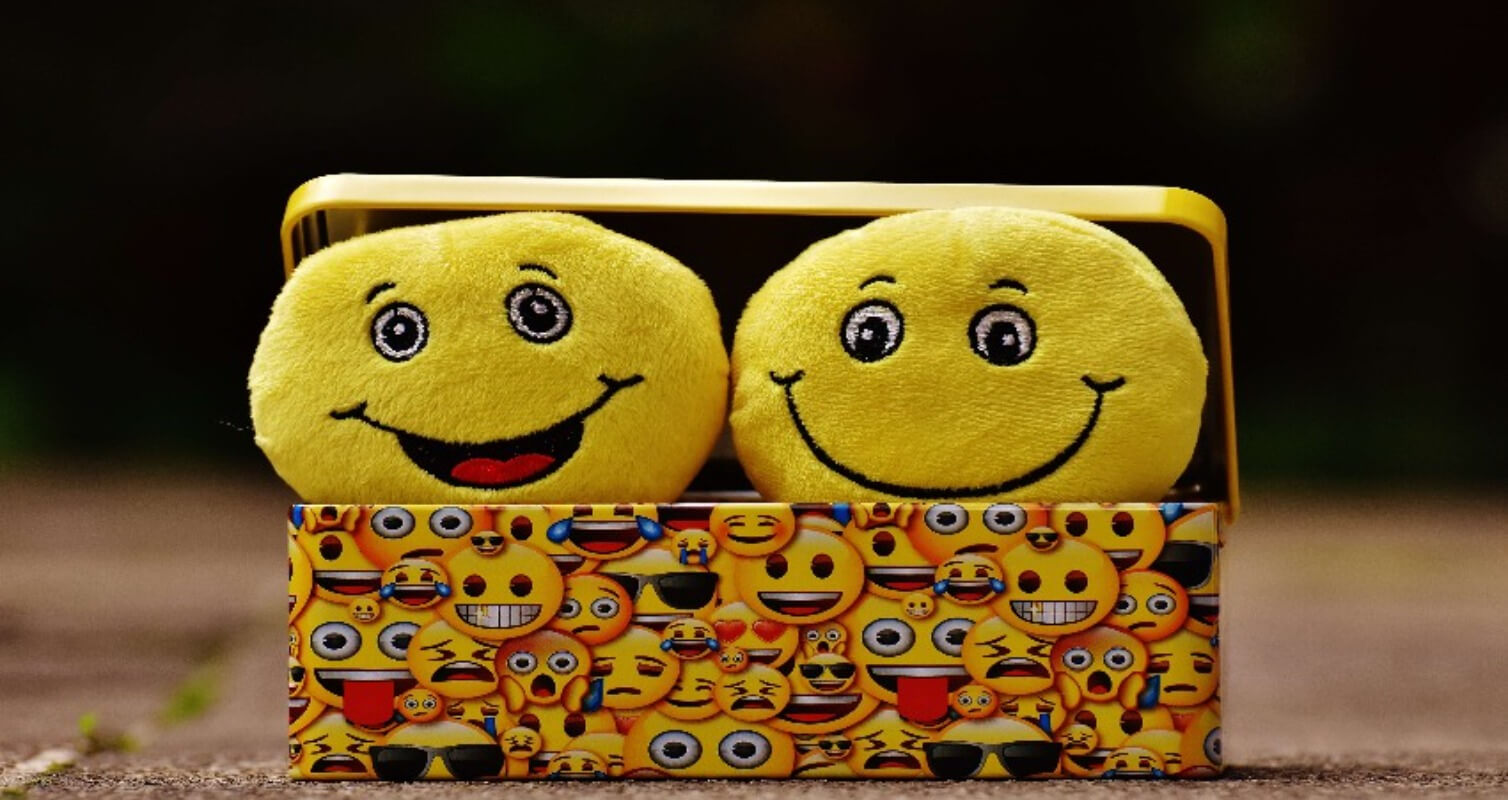
Unveiled in 2006 during a period of rapid growth in social media, biometric surveillance, and user profiling, Benayoun’s Emotion Vending Machine functioned as a satirical yet poignant commentary on how technology increasingly packages, markets, and trades human feelings as consumable data.
The work asked:
Can emotions be bottled, priced, and sold like soda? And if so, what does that say about our digital selves?
🤖 How the Installation Worked
The piece took the physical form of a retro-style vending machine, evoking 1950s Americana, but instead of snacks or drinks, it offered vials or capsules labeled with emotions such as:
Love
Hope
Fear
Melancholy
Euphoria
Indifference
Interactive Experience:
Selection: Viewers chose an emotion from the machine’s illuminated display.
“Purchase”: In most iterations, the machine was free to use—emphasizing that the illusion of transaction was part of the critique.
Dispensing: A small container (often a test tube or pill bottle) labeled with the chosen emotion would be released.
Revelation: Inside, instead of a substance, users might find:
A printed phrase (“Love is a temporary psychosis” – Bertrand Russell)
A QR code linking to a digital poem or video (in later versions)
Empty space—highlighting the impossibility of bottling true feeling
In some gallery versions, the machine was connected to bio-sensors: your heart rate or facial expression would “determine” which emotion you “qualified” for—mimicking real-world affective algorithms.
🌐 Thematic Significance
Benayoun, a pioneer in virtual reality and interactive art, used the vending machine as a metaphor for:
The illusion of emotional control in digital culture
Surveillance capitalism’s appetite for affective data
The medicalization and commercialization of inner life (e.g., mood-enhancing apps, antidepressants, “wellness” tech)
The paradox of choice: endless emotional options, yet deeper alienation
As he stated in a 2007 interview:
“We are taught to ‘manage’ our emotions like a portfolio. The Emotion Vending Machine is the logical endpoint: emotion as a branded product, available 24/7, with a satisfaction guarantee.”
📍 Exhibition History
First presented in 2006 at La Gaîté Lyrique (then under development) and Centre Pompidou satellite events in Paris
Featured in Transmediale-related dialogues (though not part of the official 2006 Transmediale curated by Anne-Marie Duguet—sometimes confused due to thematic overlap with “Smile Machines”)
Later shown in media art festivals across Europe, Canada, and Asia
Included in Benayoun’s larger body of work on “emotional cartography” and critical digital aesthetics
🔗 Legacy & Relevance Today
In an era of:
AI mood trackers
Meta’s emotion-recognition patents
TikTok algorithms that amplify outrage or joy
“Feel-good” tech like mood rings 2.0
…Benayoun’s 2006 installation feels eerily prescient. It anticipated how emotion would become the new oil—extracted, refined, and sold back to us.
The Emotion Vending Machine remains a touchstone in media art, digital humanities, and critical design—a reminder that some things should never be dispensed by a machine, no matter how shiny the interface.
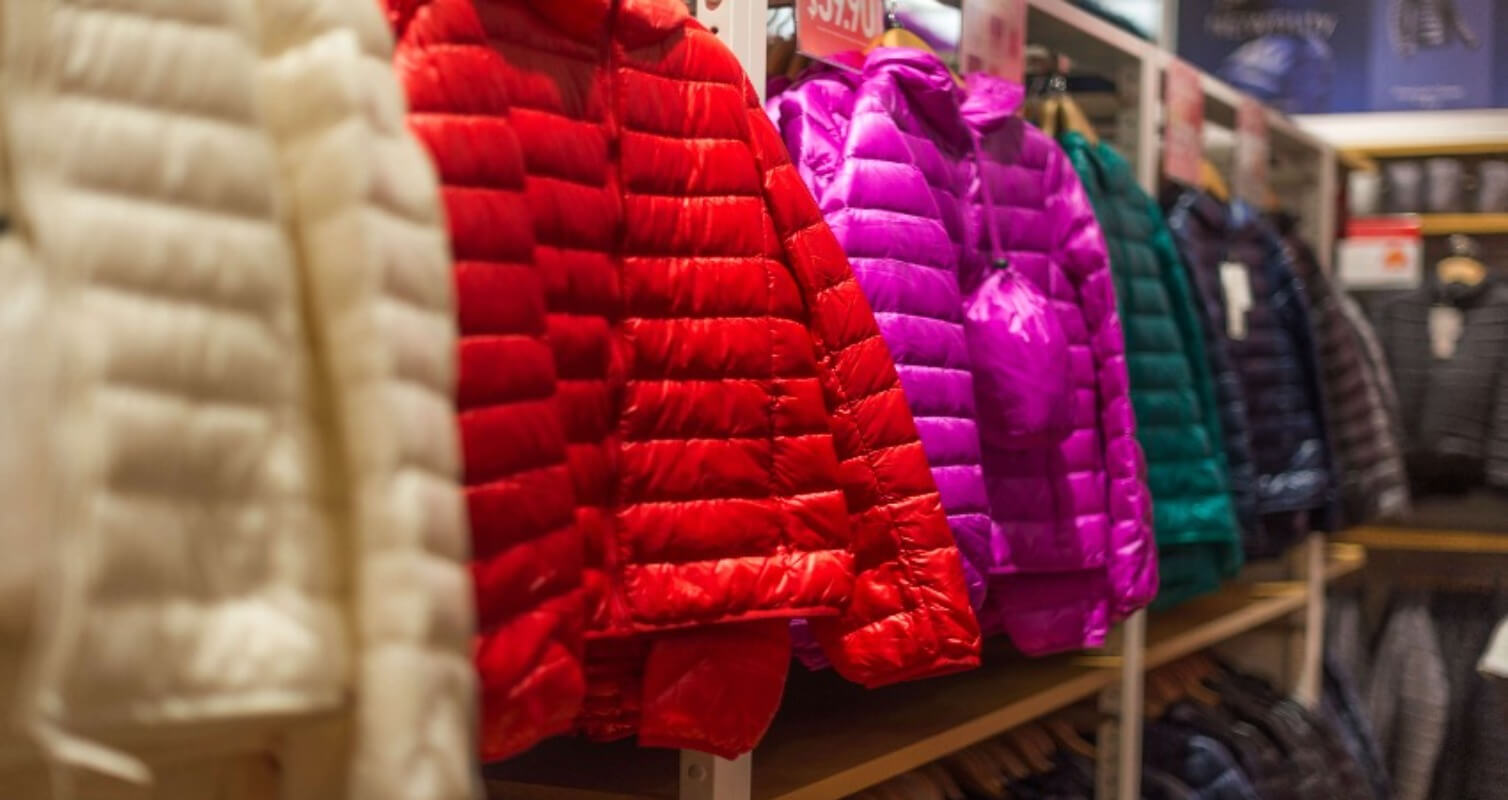
When is a vending machine not a vending machine? When it’s an entire shop! UNIQLO‘s new store in Tokyo’s Harajuku district becomes the world biggest vending machine by playing on the Japanese vending machine obsession with wall to wall T-shirt dispensers. That’s it, just T-shirts.
In the UK, UNIQLO is where you might go to buy elastic waisted jeans, but the Tokyo branch is about as cool as they come, with its plasma screens and LED intensive displays.
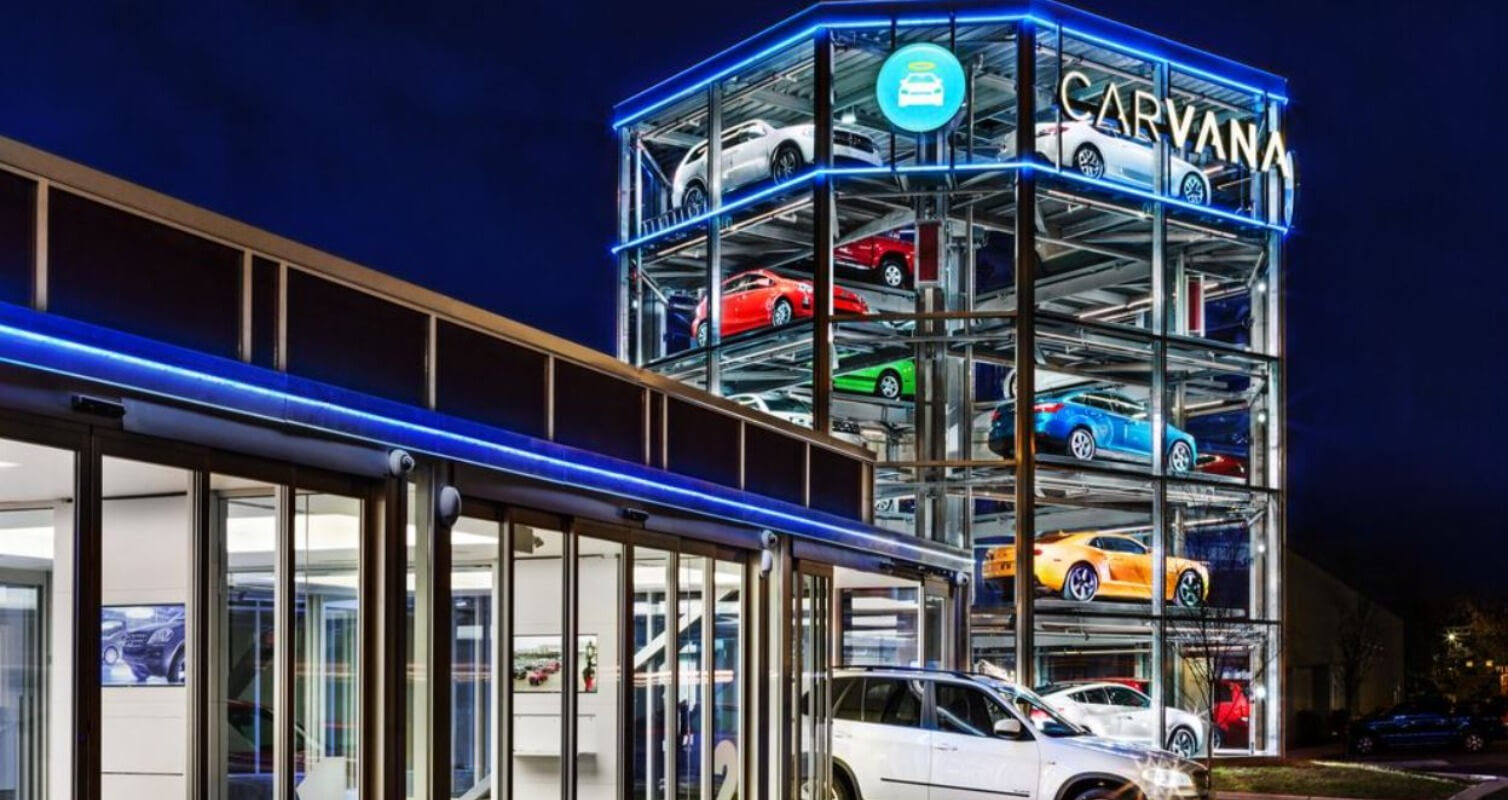
There’s now a vending machine for cars. No, we don’t mean a micro vending machine that sits in your back seat. We mean an actual car vending machine that spits out cars. That you can drive away!
Carvana opened up the shop in Nashville, Tennessee. Folks who purchase a vehicle can choose to pick it up at the 5-story location. Insert a coin and your car rolls out ‘through a proprietary and fully-automated pick-up experience, similar to how a can of soda is dispensed from a traditional vending machine,’ Carvana said. It took two years to build the vending machine, which can store 20 cars and features 3 delivery bays.
Once you insert a coin, the car is automatically retrieved from the Tower and is moved through the machine until it reaches a Delivery Bay, where you take possession and begin your seven-day test ownership period.
Carvana is even willing to pay you $200 for airfare, and will provide “white glove transportation” if you decide to specifically pick your car up at the special location.
If you don’t live in Tennessee and don’t want to fly, you can wait for additional locations to open up at future nationwide locations in the coming years.
Contraception Vending machine offerings at a Pennsylvania university are expanding beyond the world of junk food and into the world of contraception.
Shippensburg University in Pennsylvania now offers the emergency contraceptive Plan B One-Step in a vending machine in the school’s Etter Health Center after a survey found that 85% of students supported doing so. The vending machine is located in a private room in the health center, which is only accessible by students after they have checked in with a front desk and been granted access to the treatment area.
Plan B is an emergency contraception that can be used to prevent pregnancy if taken within 72 hours after unprotected sex, according to the FDA. It is available over the counter without a prescription for women over the age of 17.
The machine is really used as much for privacy as anything else if a student wants to come in.
VP of Student Affairs Roger Serr
While Smith, who is a physician at Wesleyan University, has not heard of any other campus selling emergency contraception out of a vending machine, he does not see it as a problem.
“We know Plan B is safe and effective, so it’s really no different from ibuprofen or some other medication available in a vending machine.”
Known possible side effects of Plan B include nausea, lower abdominal pain, fatigue, headache, and dizziness.
Nearly half of all pregnancies in the U.S. are unintended, and about half of those accidentally impregnated women were using some type of birth control. Something as seemingly small as taking your pill at a different time can cause it to malfunction, and condoms need to be the right size to work. Stay consistent and follow directions to avoid birth control mistakes and be as safe as possible.
Most employees wouldn’t describe their IT department as “awesome.” But Facebook CIO Tim Campos is hoping a series of custom-made Facebook vending machine that dispense computer accessories instead of snacks and sodas will help change that perception.
The Facebook vending machine is Campos’ latest and quirkiest undertaking. While getting power cords and replacement keyboards to employees sounds easy enough, at many companies the process requires filling out order forms that can take IT departments days to fulfill. Campos decided to take a more user-friendly approach to this common problem.
His original idea was putting computer accessories into cabinets that employees could freely access. To keep track of who was taking what, he installed small digital kiosks next to each cabinet and asked employees to swipe their badge and mark which accessory they took.
It didn’t work very well. We found that only about 5% of the time did people bother to tell the kiosk that they took an accessory.
Tim Campos (Facebook CIO)
The “aha moment” came from his assistant, who came across an iPod-dispensing vending machine in an airport.
Campos green-lighted the project and his team began working with a manufacturer to custom make machines that could dispense computer accessories for Facebook employees.
Just six weeks later, the machine arrived at the social networking company’s Palo Alto, Calif. headquarters. So now, when Facebook engineers spill coffee on their keyboard (a common mishap), they head to a nearby vending machine instead of hitting up their IT guy or just grabbing a replacement from a nearby cabinet. They swipe their badge, key in their selection and voila—a brand new keyboard drops down for them to take.
Of course, there is a business benefit to the vending machines. According to Campos, they’ve reduced the cost of managing replacement accessories by about 35%.
While products found in the vending machines are free, items are clearly marked with price tags so employees can see the retail value of each accessory they take. The new vending machines also require all employees to swipe their badge before making a selection. That means each and every power cord, keyboard and screen wipe they take can be traced back to their name, ensuring that the system won’t be abused (at least not as much as the previous cabinet system was).
Campos is a strong proponent of employee accountability. He’s taken the same approach to managing mobile usage, which he says is one of the top three internal expenses his department oversees.
Each new hire that comes through the door is given the same choice — iPhone or Android device. Facebook picks up the monthly voice and data tab, but employees receive a copy of their bill each month so they can personally keep track of their usage patterns and corresponding cost to the company (they can even see how they rank relative to their department’s averages).
Three machines are already installed and Campos says if all goes well Facebook’s new headquarters in Menlo Park will soon be decked out with two vending machines per floor. And future machines could also dispense higher-value items like phones and PCs.
Now 100% of employees have to badge in, and there’s better accountability on what people are taking. More importantly, it’s just cool. Employees love to see these machines.
With the full-scale rollout of Japan’s cigarette vending machine age-verification system just around the corner, a Sankei Sports news reporter has confirmed the existence of a minor flaw: magazine photos can be used to fool the Age-verification Vending Machine
When the reporter went to check out the new age-verifying machines after they were introduced in the Osaka area in June, he soon discovered that the machines equipped with face-recognition cameras would let him buy cigarettes when he held up a 15-centimeter (6-in) wide magazine photo of a man who looked to be in his 50s.
The reporter also went to Kobe, where different face recognition hardware is being used. There, he bought cigarettes using an 8-centimeter (3-in) wide magazine photo of a female celebrity in her 30s. He also reportedly tried to use a 3-centimeter (1-in) wide photo, but the machines rejected it.
As part of the age-verification system, most of Japan’s 570,000 cigarette vending machines are being outfitted with RFID readers that check the purchaser’s Taspo age-verification card. Smokers without a Taspo card can now either buy their cigarettes in person over the counter or use one of 4,000 special machines equipped with face-recognition systems (these machines do not require Taspo cards).
The face-recognition machines rely on cameras that scan the purchaser’s face for wrinkles, sagging skin and other signs of age. Facial characteristics are compared with a database of more than 100,000 people, and if the purchaser is thought to be well over 20 years old (the legal age), the sale is approved. If the purchaser looks too young, they are asked to prove their age by inserting a driver’s license.
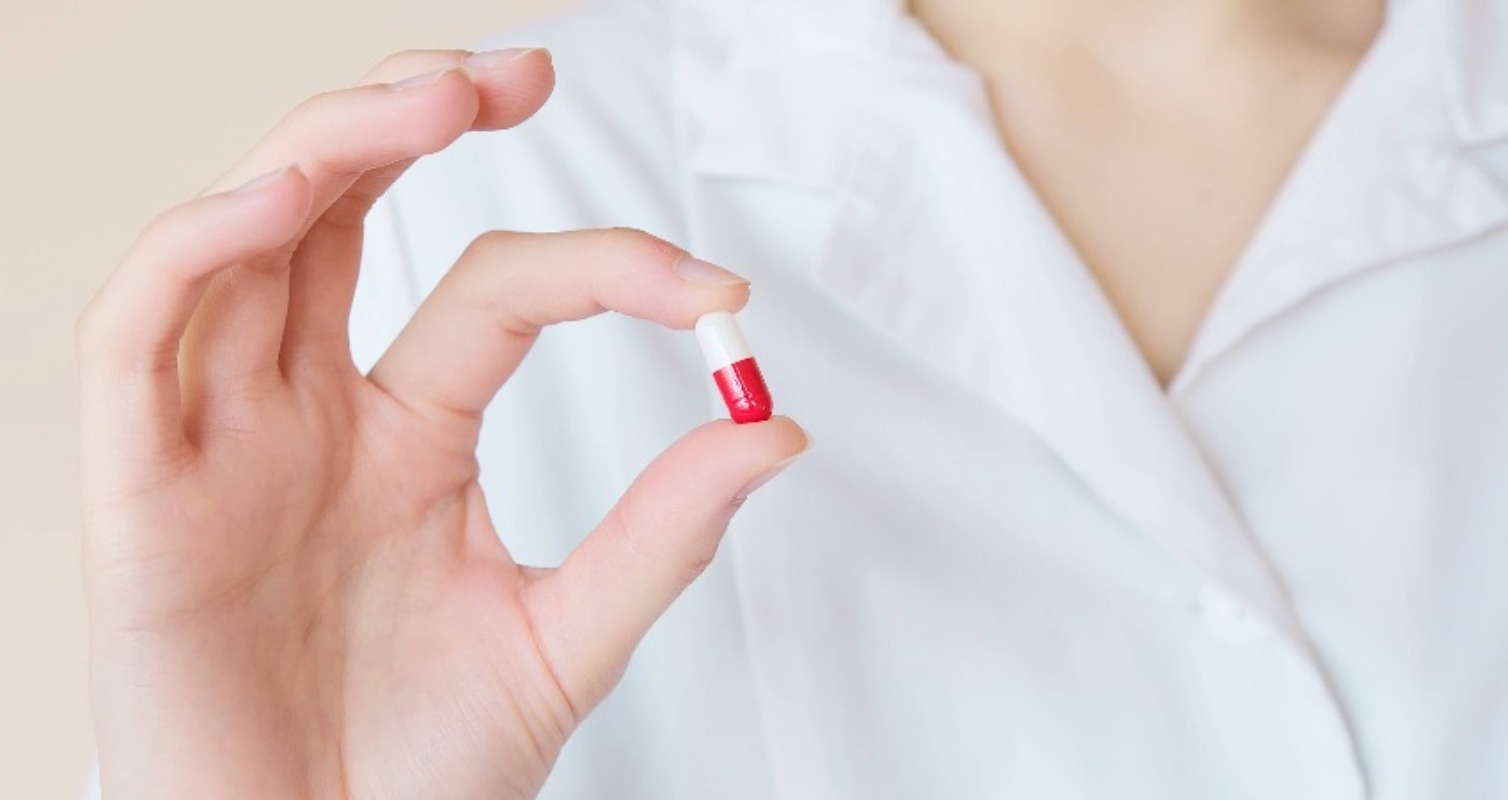
Two Sussex supermarkets have begun a year-long trial of Medicine vending machine to dispense prescriptions.
The Medicine Vending machine, at Sainsbury, allow patients to collect medicines without speaking to a pharmacist.
It is the first trial of the machines in the UK, according to the supermarket.
Customers must register for a unique ID and Pin number and can deposit NHS prescriptions using a special envelope.
Each machine, which can hold up to 450 packs of medicines, will issue a printed receipt with a collection time. The dispensed medicines will contain instructions for the patient.
The vending machines provide a secure and convenient way for customers to obtain prescribed medication at time that suits them.
Sainsbury’s manager David Gilder
Remote pharmacy vending machines are expected to be trialed at UK hospitals later this year, providing a video link between patients and pharmacists.
How general Medicine Vending Machine work
Prescription Input: Some medicine vending machines require users to input a prescription code provided by a healthcare provider or pharmacist. This ensures that the medication is dispensed according to a valid prescription.
Dispensing Medication: Once the prescription is verified and payment is completed, the machine dispenses the medication. Advanced models may also provide instructions for use and warnings about potential side effects.
Features
Security Measures: To prevent unauthorized access and misuse, these machines often include security features such as encrypted data transmission and secure storage compartments.
Temperature Control: Many medicine vending machines are equipped with temperature control capabilities to ensure that medications requiring specific storage conditions remain effective.
Customer Support: In case of issues, some machines offer customer support through a built-in communication system allowing users to speak directly with a pharmacist or technician.
Benefits
Accessibility: Medicine vending machines can increase access to essential medications, especially in remote or underserved areas where pharmacies might not be readily available.
Convenience: They offer extended hours of service beyond traditional hours, making it easier for patients to obtain necessary medications without waiting.
Efficiency: Automating the dispensing process can reduce wait times and improve efficiency in managing routine medication refills.
Challenges
Regulatory Compliance: Operating medicine vending machines requires adherence to local health and safety regulations, which can vary widely.
Limited Interaction: While these machines provide convenience, they lack the personal interaction and advice that pharmacists can offer regarding medication management and potential interactions.
Medicine vending machines showcase how technology can be leveraged to improve healthcare accessibility and patient convenience, although they must be carefully managed to ensure safety and compliance with medical standards.