This poor Vending Machine is badly damaged.

Fortunately there is so much love around and hopefully the residents there can enjoy Coke again soon!

This poor Vending Machine is badly damaged.
Fortunately there is so much love around and hopefully the residents there can enjoy Coke again soon!
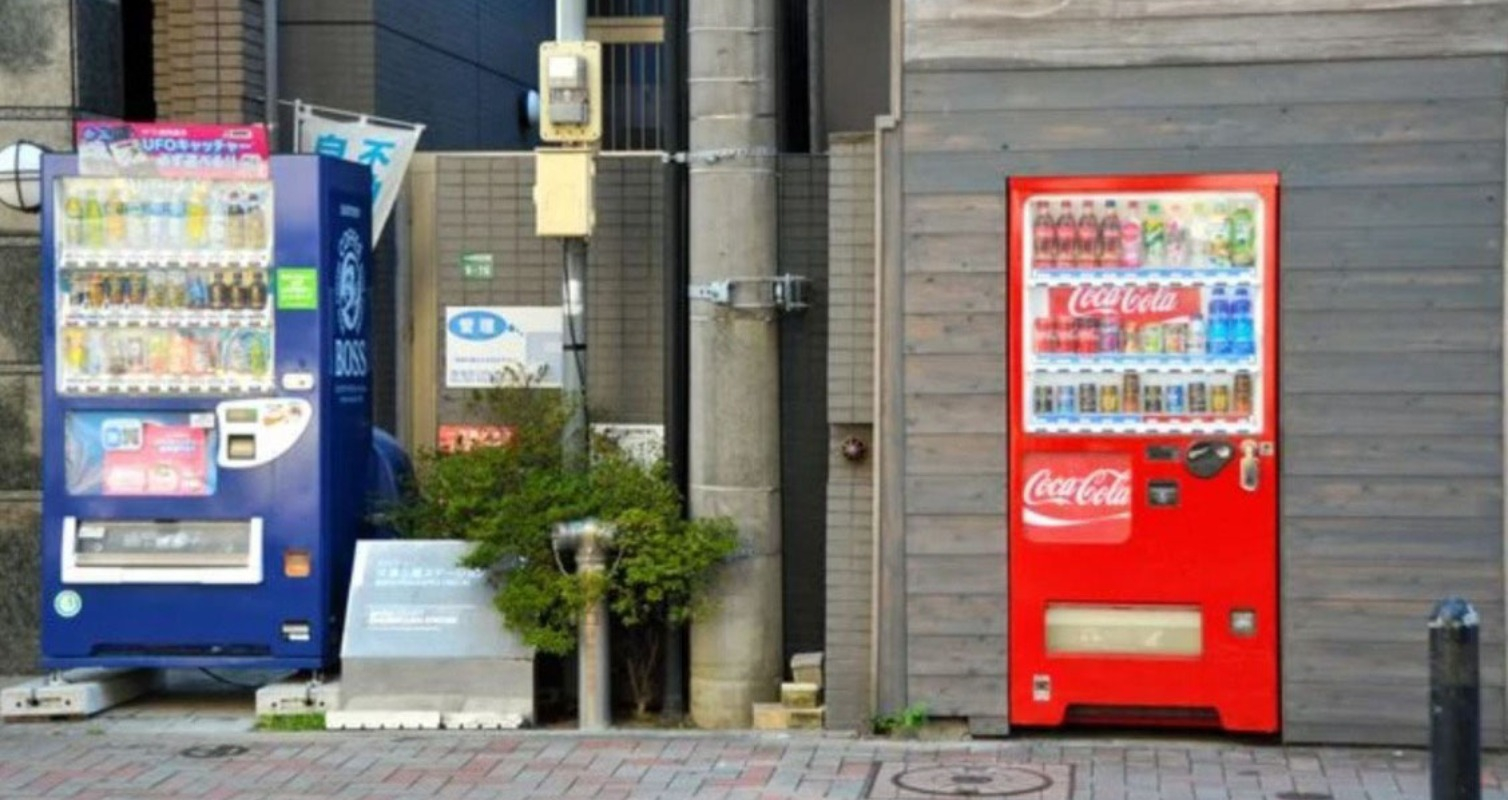
Blending in with the surrounding townscape, the door to the uninitiated eye looks precisely like a vending machine. The fact that a genuine real vending machine is installed only 2 meters away, and lit up at night, only adds to the general confusion.
Inevitably, some passers-by, duped into believing the vending machine is real, attempt to insert coins to buy a drink.
On closer inspection, the door reveals the word “Push,” but otherwise there is no store name, sign or even a menu displayed to give any hint of what’s on the other side.
This is actually a pub, but even people in the neighborhood remained unsure where the eatery was located.
For a while, Takata, the owner feared the location of his premises might prove too confusing to attract a steady flow of customers. But now he is confident his business will prosper, especially after it featured on social media and television shows.
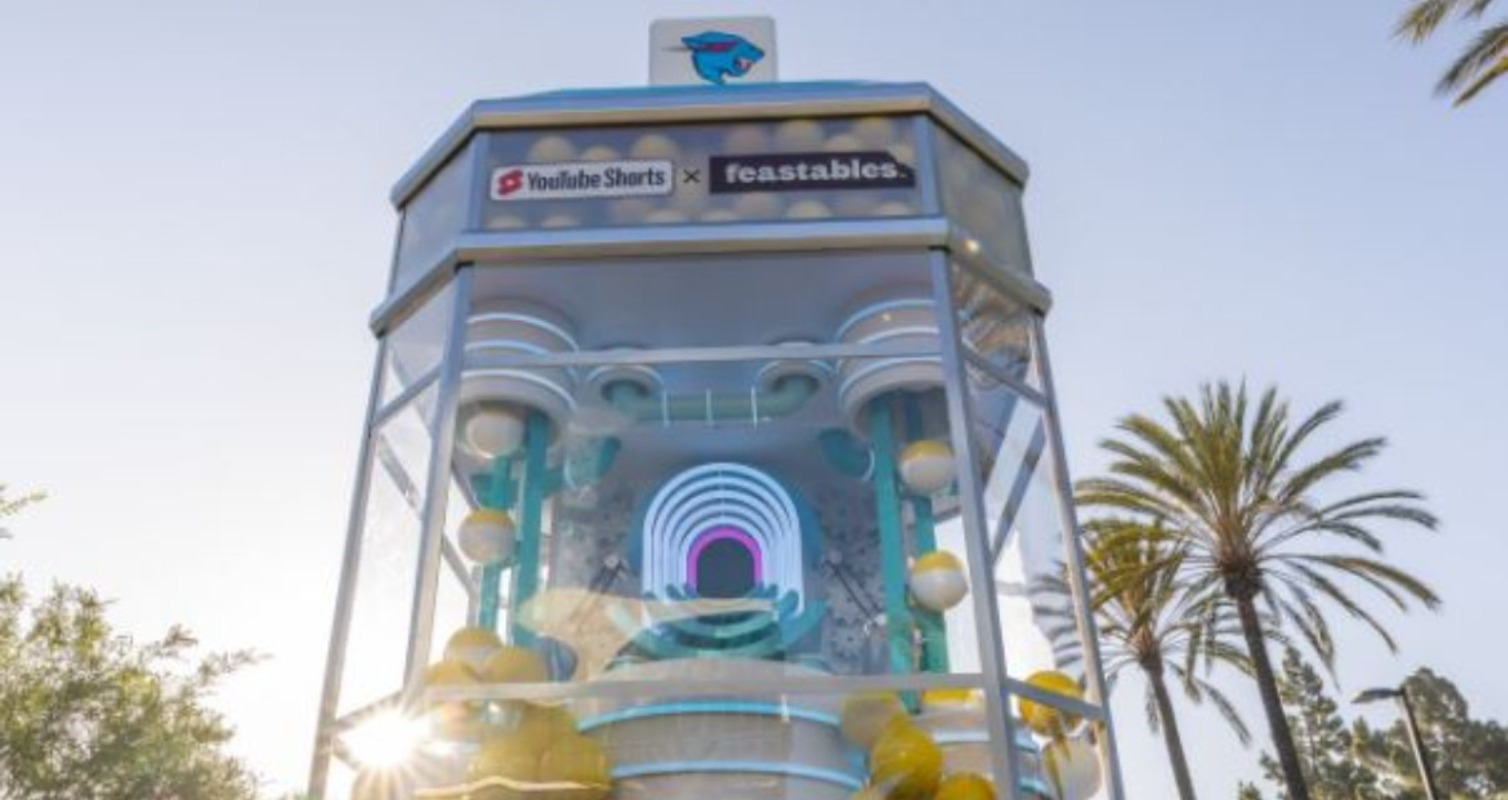
MrBeast, creator of YouTube’s Mr. Beast, displayed the world’s largest gumball machine at Vidcon in Los Angeles. A prize was awarded when fans placed a giant coin made specifically for the machine in a slot.
Mr. Beast, whose real name is Jimmy Donaldson, is renowned for his extravagant charitable acts and stunts on his YouTube channel, which has garnered him a massive following.
One of his most notable charitable efforts includes the “Team Trees” initiative in 2019, where he collaborated with fellow YouTuber Mark Rober to raise over $20 million to plant 20 million trees around the world, in partnership with the Arbor Day Foundation. This effort was notably successful due to the participation of numerous online personalities and the broader internet community.
Mr. Beast’s generosity doesn’t stop there; he often gives away large sums of money to individuals, organizations, and even strangers through various challenges and giveaways featured in his videos. His content not only entertains but also inspires acts of kindness, making him a standout figure in the world of social media for leveraging his platform for good. Furthermore, he has continued to expand his influence beyond YouTube, venturing into philanthropy and other business enterprises, all while maintaining a strong commitment to making a positive impact on the world.

Coined the ‘Dream Machine’ and located in London’s King’s Cross station, the vending machine dispenses boxed mattresses to winning visitors at the press of a button.
It was created to help Brits get a new mattress, after study revealed 32% of adults are sleeping on one ‘well past its best’, even though 75% of them believe you can’t put a price on a good night’s sleep, while 80% consider a decent mattress to be a sound investment.
The study also found 18% have a mattress older than the recommended shelf-life of 7 to 10 years.
So we launched the ‘Dream Machine’ to remind time-strapped commuters of the importance of a good mattress for a good night’s sleep and how easy it can be – whilst giving them the chance to pick-up a comfy new mattress for free in an instant.
When asked why they haven’t replaced their mattresses, the study revealed a quarter of them simply haven’t had chance to get a new one.
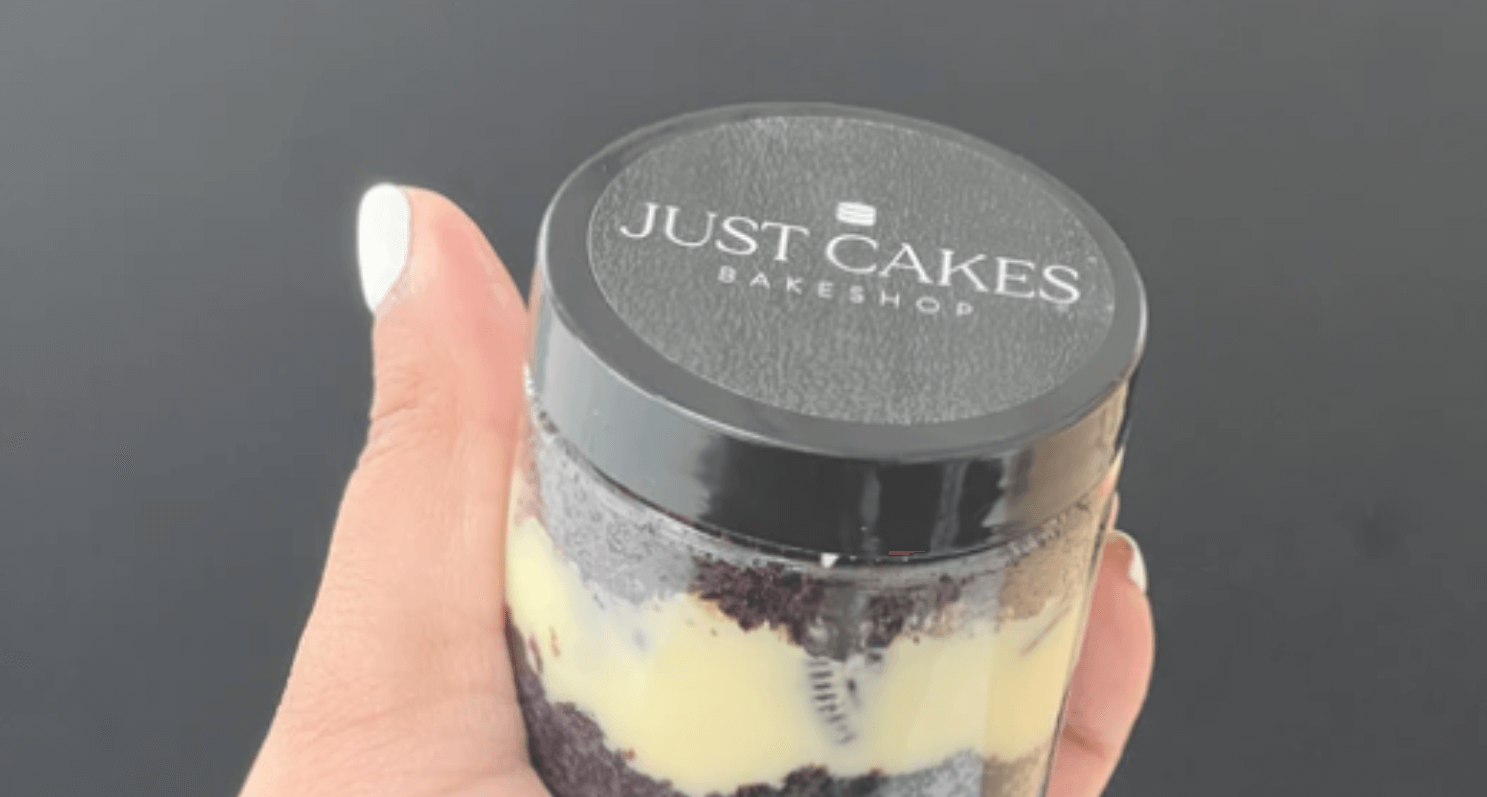
The Jar Bar, Canada’s pioneering cake jar vending machine from Just Cakes Bakeshop in Surrey, BC, make its way to Burnaby in September 2022. It popped up as a new spot at The Amazing Brentwood mall (4567 Lougheed Hwy, Burnaby), right near the level 2 food court area called “Tables.” This was part of their expansion beyond the permanent Langley location, bringing those portable, layered cake-in-a-jar treats to more Metro Vancouver shoppers.
Quick Scoop on What It Offers
There are now more and more vending machines popping up around the world selling local art products and other interesting items.
Bellingham, Washington, US. (Pocket Box Vending Machine)
The vending machines are stocked with goodies that the company owner sources from local businesses and artists, as well as from her own thrift shop treasure hunts. The majority of items are priced between $5 to $20.
Each location has a unique selection — Black Sheep’s machine, for example, includes local artist Bridget Dahlman-Oeth’s collectible, themed art boxes made from repurposed Altoid tins that go for $10.
“My favorite thing is going back to a venue and just watching people engage [with the vending machine], and it’s exciting obviously when they purchase something, but just the pointing and giggles and excitement is just so great.”
Graczyk (Pocket Box Vending Machine Owner)

Vancouver, Canada. (Pocket Box Vending Machine)
The city’s first art vending machine began operating at the Garden Court of Bentall Centre and is a collaboration between Vancouver Vending Co, Downtown Van, and Bentall Centre. According to curator Crystal Lau, it’s already a big hit with artists and art lovers.

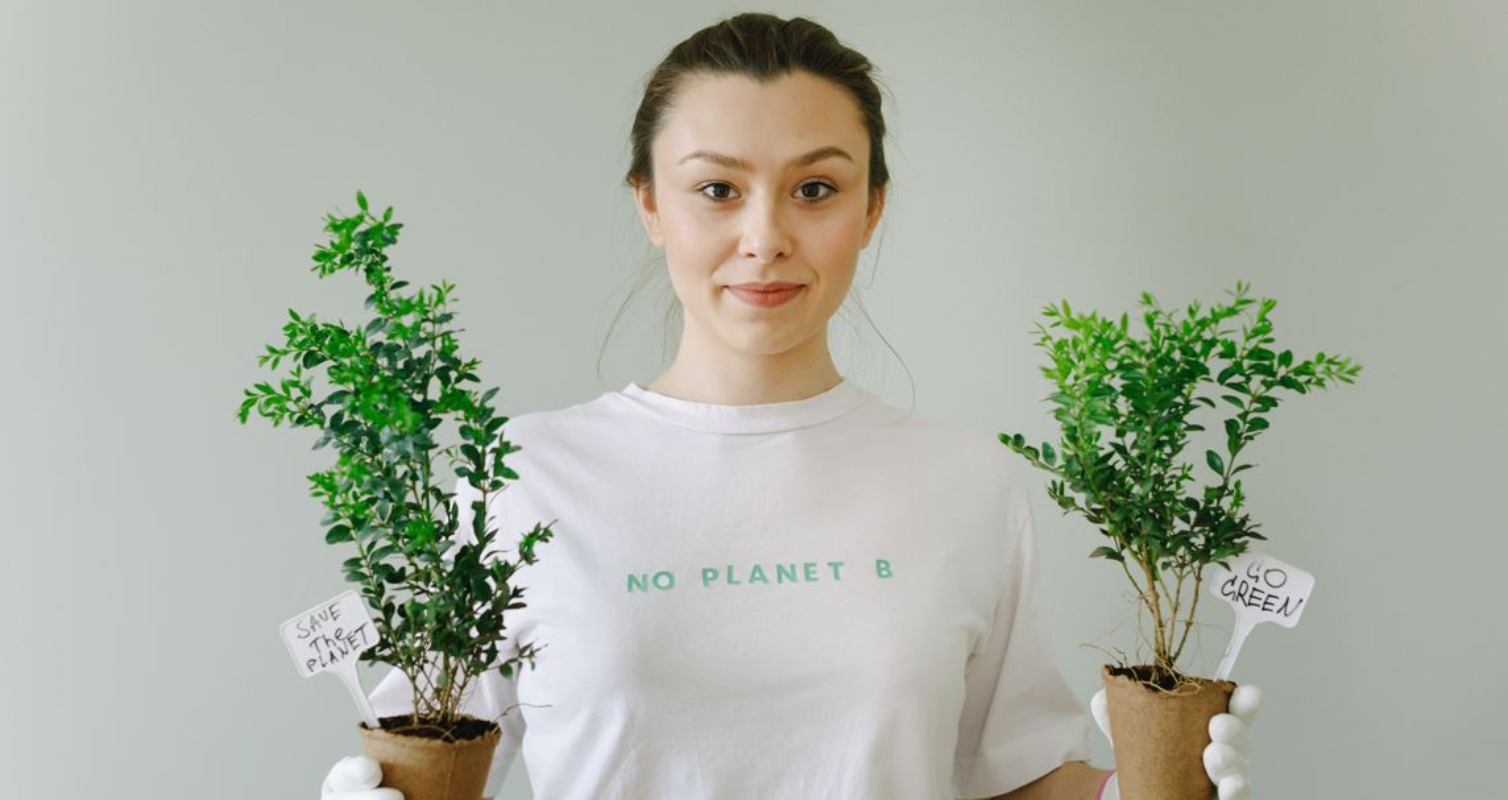
Asahi Group Holdings, Ltd. (through its subsidiary Asahi Soft Drinks) has developed innovative vending machines that actively absorb carbon dioxide (CO2) from the surrounding air as part of their sustainability initiatives. These machines, first trialed in Japan in 2023, represent a step toward carbon-negative technology in everyday infrastructure, one step closer to the mission of achieving a decarbonised society. Below is a breakdown of key details.
Key Specifications
| Feature | Details |
|---|---|
| Annual CO2 Absorption | 56–60 kg per machine (equivalent to ~20 mature Japanese cedar trees). This offsets up to 20% of the machine’s own CO2 emissions from electricity use. |
| Power Source | Standard electricity (costs match conventional vending machines); some prototypes integrate solar power with sodium-ion batteries for enhanced sustainability. |
| Size & Functionality | Similar to standard drink vending machines—dispenses Asahi beverages while absorbing CO2 passively during operation. |
| Installation Cost | Comparable to regular vending machines; no premium for the CO2 feature. |
| Deployment Scale | ~500 units installed by end of 2024, with a target of 50,000 units across Japan. Examples include Tokyo Skytree Town and Umeda Station in Osaka. |

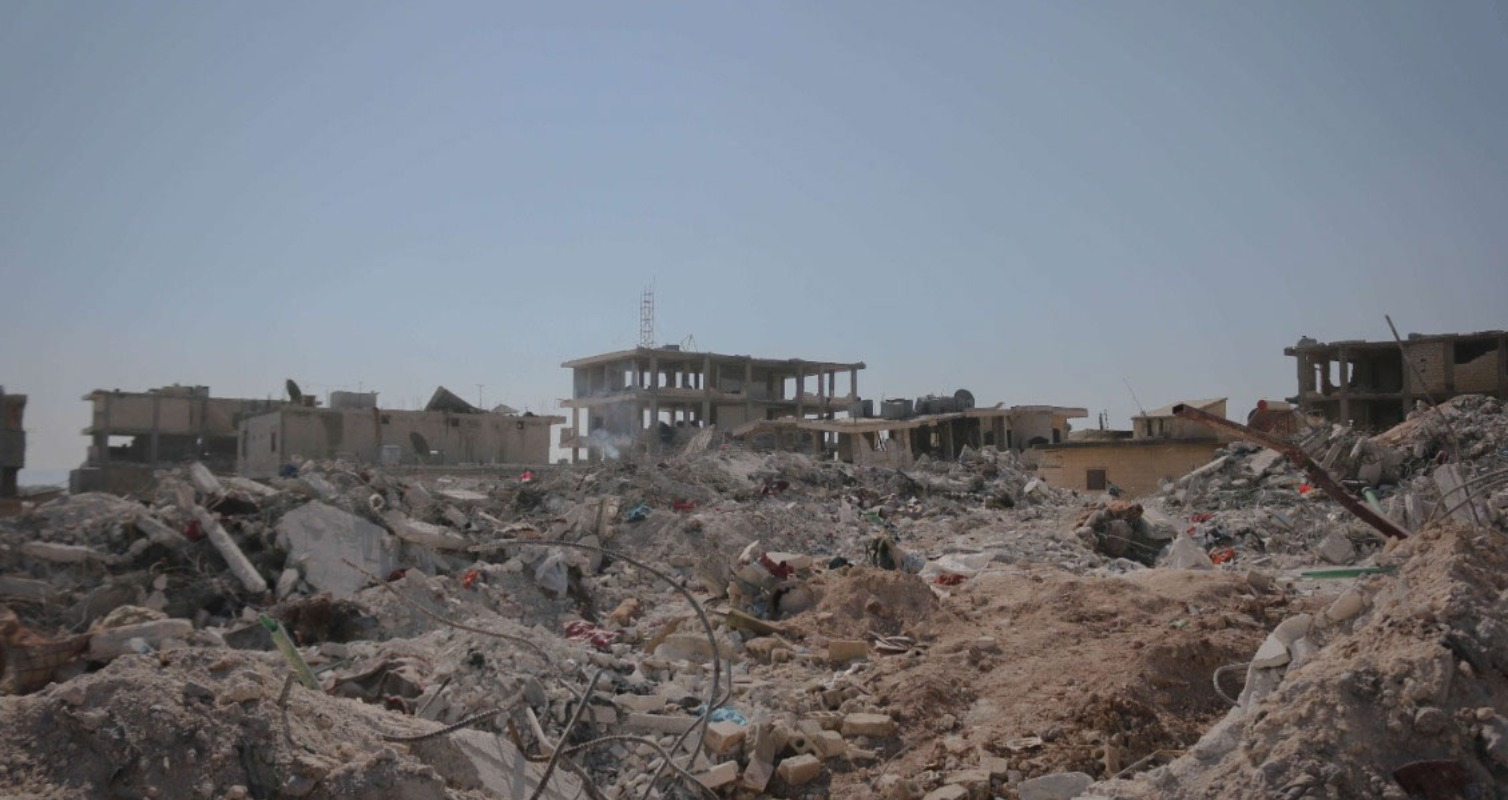
Japan has extended its natural disaster preparations to vending machines, which will offer free food and drink in the event of a major earthquake or typhoon.
Two machines have been installed in the western coastal city of Ako, located in a region that is vulnerable to powerful earthquake.
The machines, which contain about 300 bottles and cans of soft drinks and 150 emergency food items, including nutritional supplements, have been installed near buildings that have been designated as evacuation shelters.
They are designed to “unlock” and make their contents available free of charge at heavy rain warning, or an evacuation order after a quake of an upper five or higher on the Japanese seismic intensity scale of seven.
Their contents must be paid for the rest of the time, the newspaper added.
In another first, a vending machine with a radio that will automatically issue emergency broadcasts was set up in a park in Tokyo. The radio will be activated by earthquakes registering 5 or higher on intensity scale, and transmit evacuation and other vital information from a local community radio station.
Some Vending Machines are specifically designated as “hygiene supply disaster prevention stockpiling” machines, unlocking to provide sanitary goods when needed
A key feature of disaster-response vending machines is their ability to operate when the power grid fails.
While Japan is the leader in this technology, the concept is gaining traction globally as a tool for community resilience. Below is an article on Vending Machine during 2011 Great East Japan Earthquake.

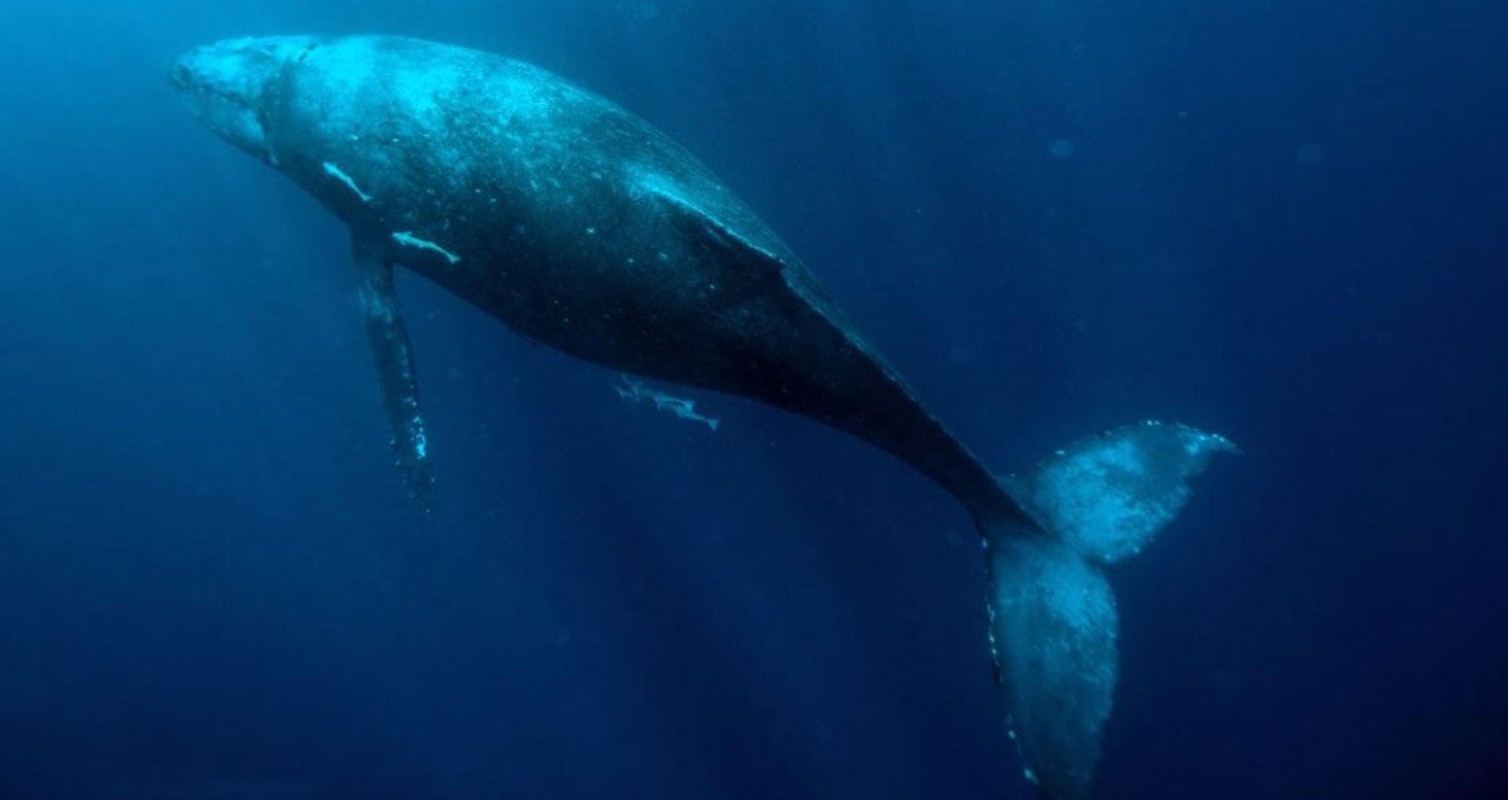
Launched in early 2023 by Kyodo Senpaku Co., a major Japanese whaling company, these unmanned “Kujira Store” outlets aim to boost declining demand for whale meat—a traditional food that’s fallen out of favor amid global conservation concerns and shifting diets. The machines are decorated with cartoon whales and blend into Japan’s ubiquitous vending culture, which includes everything from hot meals to umbrellas. As of late 2025, they remain operational, with social media posts showing continued public interest and visits.
Launch and Expansion Plans
“There are so many major supermarkets that are afraid of being harassed by anti-whaling groups so they won’t use whale. So there are many people who want to eat whale but can’t,”
Therefore, we are opening stores with the thought that we can provide a place where those people can eat.
Tokoro, the firm owner said at the launch.
Products Available
These machines dispense frozen and processed items, priced affordably to encourage trial. All products are from Japanese-caught whales, emphasizing sustainability within the company’s operations. Whale meat advocates point to its high protein content and low carbon footprint compared with other meats.
| Product | Description | Price Range (JPY) | Notes |
|---|---|---|---|
| Whale Sashimi | Frozen thin slices for raw consumption | 1,000–2,000 (~$7–14 USD) | Popular entry-level item |
| Whale Steak | Frozen cuts for grilling or frying | 2,000–3,000 (~$14–21 USD) | Lean, red meat similar to beef |
| Whale Bacon | Frozen smoked strips | 1,500–2,500 (~$10–17 USD) | Processed for easy cooking |
| Whale Skin | Frozen chewy texture, often boiled | 1,000–1,500 (~$7–10 USD) | Traditional delicacy |
| Canned Whale Stew | Ready-to-eat preserved meat | 800–1,200 (~$5–8 USD) | Shelf-stable option |
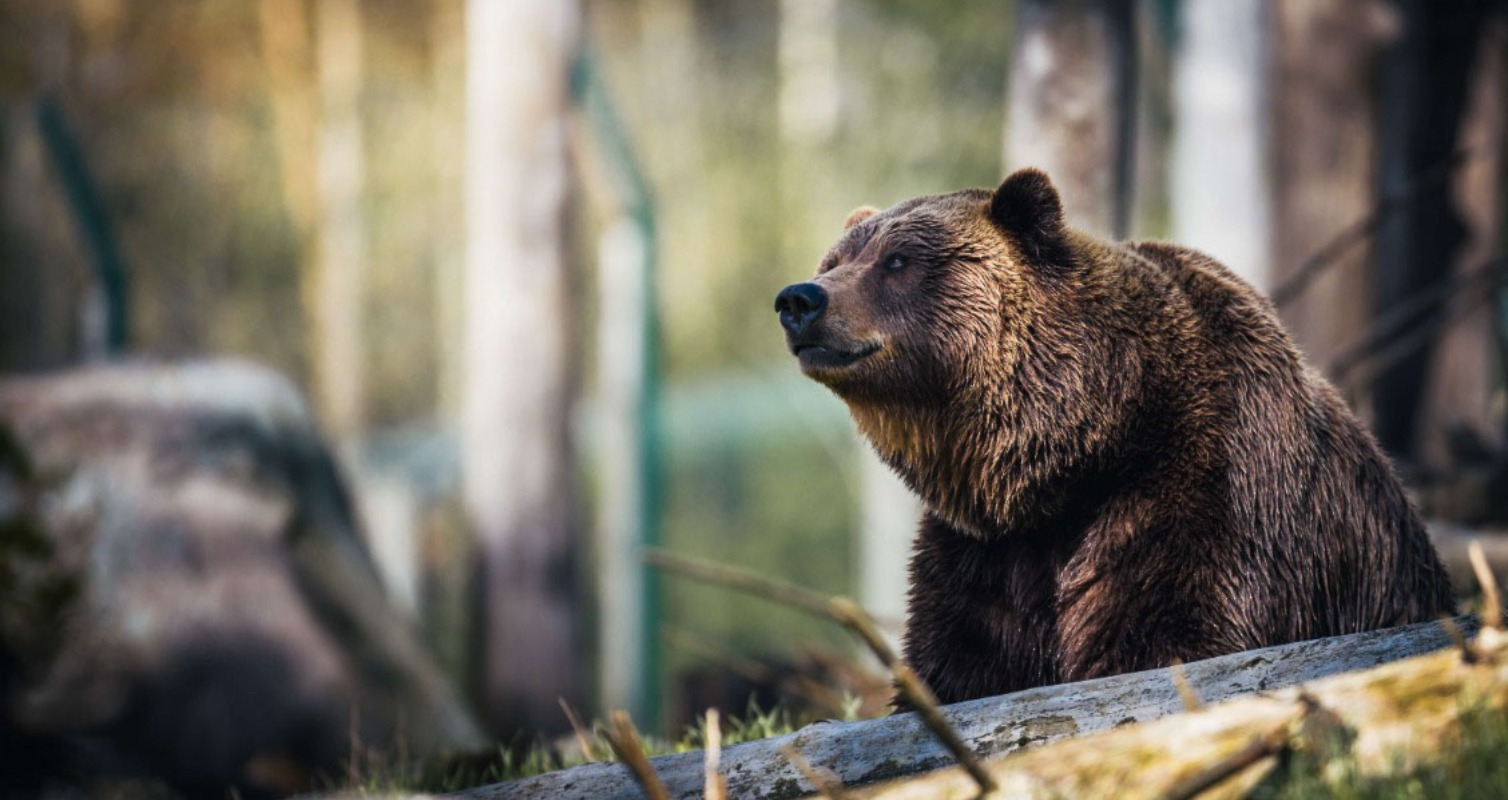
Japan has its first vending machine dedicated to selling bear meat, in Semboku City, Akita Prefecture, northern Japan. Installed in March 2023, this unmanned “Kuma Niku Jido Hanbai-ki” (Bear Meat Vending Machine) addresses rising bear intrusions into human areas by turning culled animals into a local delicacy. Operated by the nearby Soba Goro restaurant, it’s positioned near JR Tazawako Station at the Tazawako Ichi local product shop, catering to tourists and residents via Japan’s famous 24/7 vending culture. As of November 2025, it remains operational with no reports of closure, though sales have stabilized at a niche level.
Launch and Purpose
Products Available
The machine dispenses frozen, vacuum-sealed packs ready for home cooking (e.g., stewing or grilling—bear meat is lean, gamey, and nutrient-rich, akin to venison). Stock rotates based on hunts, but core offerings include:
| Product | Description | Price (JPY) | Pack Size | Notes |
|---|---|---|---|---|
| Fatty Bear Meat | Marbled cuts from the belly/shoulder, ideal for stews or yakiniku (grilled BBQ) | 2,200 (~$14 USD) | 250g | Rich flavor, higher fat content for tenderness |
| Lean Bear Meat | Muscle cuts from the leg/back, suited for sashimi (after thawing) or stir-fries | 2,200 (~$14 USD) | 250g | Lower calorie, more chewy texture; popular for health-conscious buyers |
| Mixed Bear Cuts | Assorted lean/fatty blend for variety | 2,200 (~$14 USD) | 250g | Entry-level option for first-timers |
Bear meat isn’t very common so we want tourists who come to visit the town to buy it
Sato