The sluggish changeover to chip credit cards by U.S. retailers hasn’t gone unnoticed by criminals. It’s estimated that counterfeit-card fraud will rise to $4.5 billion in 2016, according to researcher Aite Group, as cybercrooks increase their efforts before all merchants and banks comply with the more secure technology.
In view of this, Visa said it is simplifying its equipment-certification process and changing its chargeback policies to reduce liability faced by merchants, including vending operators, who haven’t yet moved to accept chip cards. Effective July 22, Visa will block all U.S. counterfeit-card fraud chargebacks under $25. And starting in October, it will allow banks to charge back only 10 counterfeit transactions per account, and will require them to assume liability for all transactions thereafter. The blocks will remain through April 2018.
These two changes will significantly reduce the number of chargebacks that merchants are seeing, Visa predicted. Following these changes, Visa claims merchants can expect to see 40% fewer counterfeit chargebacks, and a 15% reduction in U.S. counterfeit fraud dollars being charged back. The policy updates are also designed to reinforce the issuer’s responsibility to detect quickly and act upon counterfeit fraud.
The National Automatic Merchandising Association said Visa’s new policy will alleviate the impact that fraudulent charges have on vending operators, who previously were bearing the cost.
In 2020, Clemenger BBDO Melbourne, in partnership with Foodbank Victoria (Australia’s largest hunger relief organization), launched a powerful public awareness campaign to highlight food insecurity during the pandemic—especially among families and children.
🎯 The Concept: A Vending Machine That Only Works If You Can’t Afford It
The centerpiece was a real, functioning vending machine installed in a public space (Melbourne’s CBD) that dispensed free snacks—but only to those who truly needed them.
Here’s how it worked:
The machine looked like a standard snack vending machine, stocked with popular items like chips, muesli bars, and cookies.
A sign read: “If you can’t afford lunch today, it’s free.”
There was no payment mechanism—no coins, no card reader.
Instead, users were asked to honestly self-declare need.
Anyone who felt they needed a free meal could simply open the door and take a snack.
💬 No verification. No judgment. Just trust.
🎥 The Emotional Hook
Clemenger BBDO filmed real reactions—people hesitating, looking around, some in tears—capturing the dignity, shame, and quiet desperation often tied to food insecurity. The resulting video ad, titled “Take What You Need”, went viral in Australia and internationally.
The campaign’s tagline:
“Hunger doesn’t take a holiday.”
It aimed to:
Challenge public perceptions of who experiences hunger (hint: it’s often working parents, students, and “invisible” households).
Drive donations to Foodbank Victoria.
Encourage empathy over stigma.
Impact & Recognition
The campaign raised significant funds and awareness for Foodbank Victoria during a critical time (amid lockdowns and job losses).
It won multiple awards, including at the Cannes Lions International Festival of Creativity (2021) and Spikes Asia.
It sparked national conversations about poverty, dignity, and social safety nets in one of the world’s wealthiest countries.
Why a Vending Machine?
The vending machine was a brilliant symbolic choice:
It represents transactional society—you pay, you get.
By removing payment and relying on honesty and need, it subverted that norm.
It made invisible hunger visible in a public, relatable way.
As Clemenger BBDO’s executive creative director said:
“We wanted to create a moment where people had to confront the reality of hunger—not as a distant issue, but as something happening right beside them.”
Important Note
This was not a permanent installation—it was a short-term experiential activation designed to generate media, empathy, and donations. It was not a commercial product or a public service, but a strategic, empathy-driven stunt rooted in real social need.
In Summary
✅ Agency: Clemenger BBDO (Melbourne) ✅ Client: Foodbank Victoria ✅ Campaign: “Take What You Need” / “The Free Snack Machine” ✅ Year: 2020 ✅ Purpose: Raise awareness and funds for food insecurity during the pandemic ✅ Key Insight: Hunger affects people who don’t “look poor”—and dignity matters.
The “free snack vending machine” stands as a powerful example of advertising used for social good—where creativity doesn’t sell a product, but solves a human problem. 🍪❤️
When a customer has an issue with the machine, who can they turn to for complaint? For their money back? For the product that got stuck in the machine? They sometimes turn their frustration towards the machine and cause damage not only to the machine but to the area around the machine, like scratching the floor or damaging walls. This frustration can mount to a decrease in vending machine sales.
Therefore, it is important to Keep Machine Working. If customers are experiencing repeat problems, such as the bill validator will not take their dollar bills, then fixing the problem is essential to keep those customers coming back to your vending machine and achieving great vending machine sales. The more problems people have with vending machines, the less likely they are going to be buying product from vending machines.
Although keeping machines operating properly and clean takes time, it is time well spent in order to attract people to come to the machine and make purchases. Even if it takes replacing a vending machine altogether (as long as it is cost effective to do so), giving customers that convenience experience goes a long way in increasing happiness and increasing vending machine sales.
Also, respond to complaints quickly. The best way is to have at least some contact information on the machines at all times. Phone number, email address, even a Twitter handle could offer customers a chance to contact vendors and report any issue. During off hours, vendors can also use call centers to handle complaints. The faster vendors deal with complaints, the better customers feel, and better numbers of vending machine sales. They feel validated in that their input is important and that their business is appreciated. Happy customers means repeat customers; therefore, responding quickly to their complaints is essential to give them a great customer experience.
Keep Good Relations with the Point of Contact (POC). For office buildings, apartments, hospitals, etc, there will always be a POC for vendors and route drivers. This person will receive complaints from customers, take down names for people needing refunds, and take notes of problems people have had with the machines. They are essentially working for the vendor for free.
Keeping a good relation with this person will make their experience with a vendor’s company much better. If one day, a vendor sees that the person is upset because they have spent too much time receiving complaints about a machine, vendors should try giving them a soda or snack as a means of saying thank you. A little gratitude can go a long way, and vendors will want their POCs on their side because they can be great references for larger accounts in the future and increase revenue from vending machine sales.
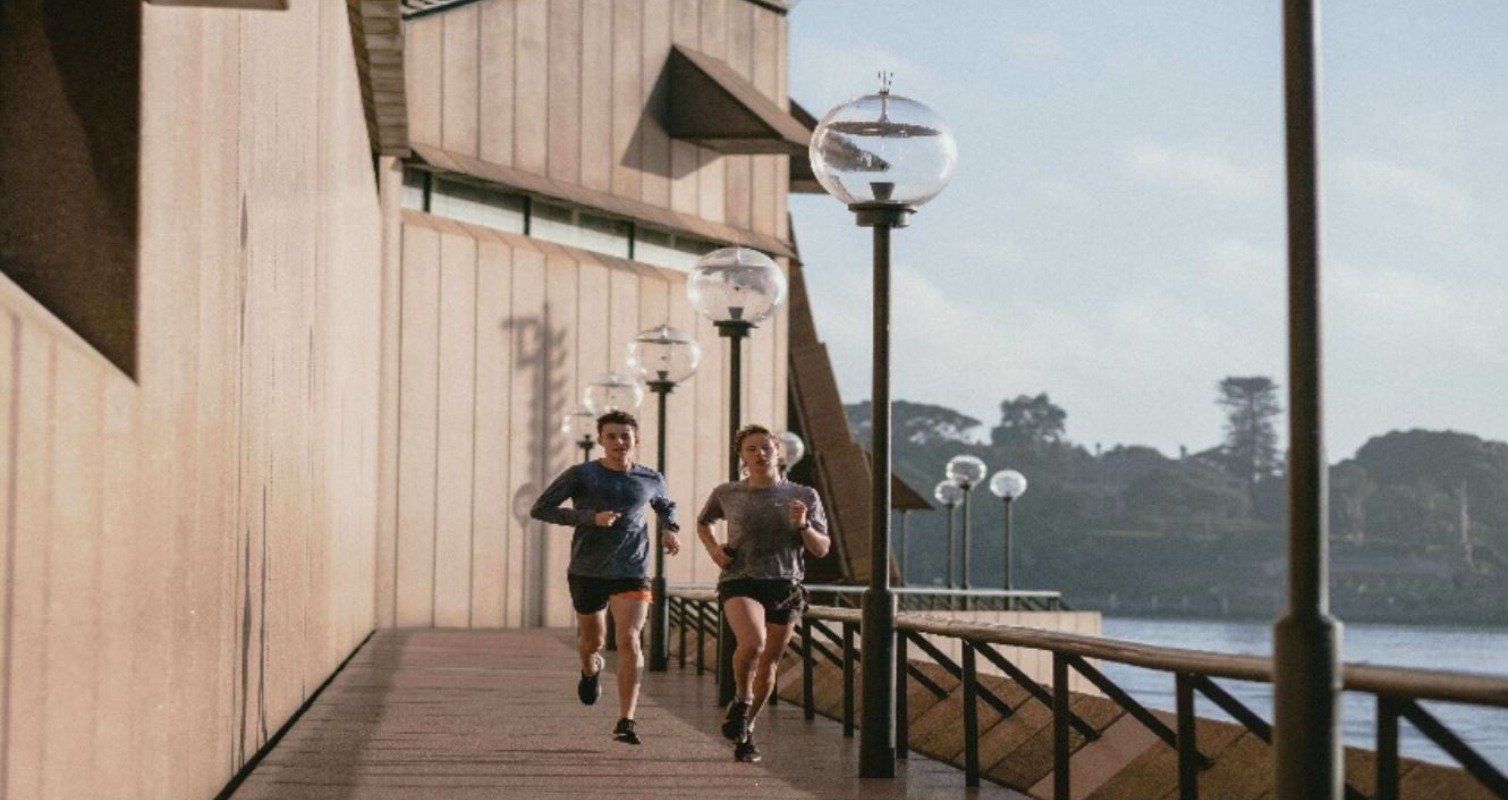
In a clever marketing stunt, Nike has installed a pop-up Nikefuel Points vending machine that only accepts its NikeFuel points as payment.
The machine, which will move between a series of undisclosed locations, is stocked with Nike hats, socks and shirts. People with Nike+ device can use the points they accumulated on their device that day to pay. Normally, Nike+ owners can only use the points to track their fitness progress.
🔧 How it worked
Earn NikeFuel Points: Users tracked runs, workouts, or daily movement using Nike+ products. Every activity generated NikeFuel—a universal metric (1 NikeFuel ≈ a standardized unit of movement).
Visit the Pop-Up Machine: Located in high-energy zones—such as Shibuya (Tokyo), Westfield London, or Nike Town NYC—these sleek, LED-lit kiosks looked like futuristic capsules.
Log In & Redeem:
Tap your Nike+ FuelBand on the machine’s NFC reader, or
Log in via touchscreen using your Nike+ account
View your available NikeFuel balance
Choose a Reward: Rewards were tiered by point cost:
500 NikeFuel: Limited-edition Nike+ wristbands or decals
1,000 NikeFuel: Performance socks or headbands
2,000+ NikeFuel: Exclusive T-shirts, compression gear, or even invites to Nike training sessions
Top-tier: Chance to win meet-and-greets with athletes or custom shoe designs
Instant Dispense: The selected item would drop from a compartment—just like a classic vending machine—but with a premium, curated feel.
🌏 Presence in Japan (2014)
While Nike’s biggest FuelBand and Nike+ push was in the U.S. and Europe, Japan saw activations too, especially in Tokyo:
A NikeFuel Vending Machine was installed during the 2014 Tokyo Marathon Expo at Odaiba’s Ariake Coliseum.
It appeared in Shibuya’s NikeLab or pop-up zones, targeting tech-savvy youth and runners.
Given Japan’s affinity for collectible merch and gamified loyalty, the concept resonated well—even if the FuelBand itself had modest adoption compared to Fitbit or local brands.
These machines were often paired with live Nike+ challenges, such as “Earn 1,500 Fuel this week and redeem a Japan-exclusive running towel.”
🎯 Strategic Purpose:
Nike wasn’t selling products—it was driving engagement:
Encourage daily use of Nike+ devices
Build emotional loyalty through instant gratification
Create social buzz: Users posted unboxings of their “vended” gear on Instagram with #FuelYourWin
Test phygital (physical + digital) retail long before it became mainstream
⏳ Why It Ended:
The vending machines were always temporary experiential marketing tools—not a permanent retail solution.
Nike exited the wearable hardware business in 2014–2015, discontinuing the FuelBand.
The NikeFuel metric was phased out by 2018, replaced by app-based metrics in Nike Run Club and Nike Training Club.
🧠 Legacy & Influence:
The 2014 NikeFuel Vending Machine was ahead of its time. It foreshadowed trends now common in retail:
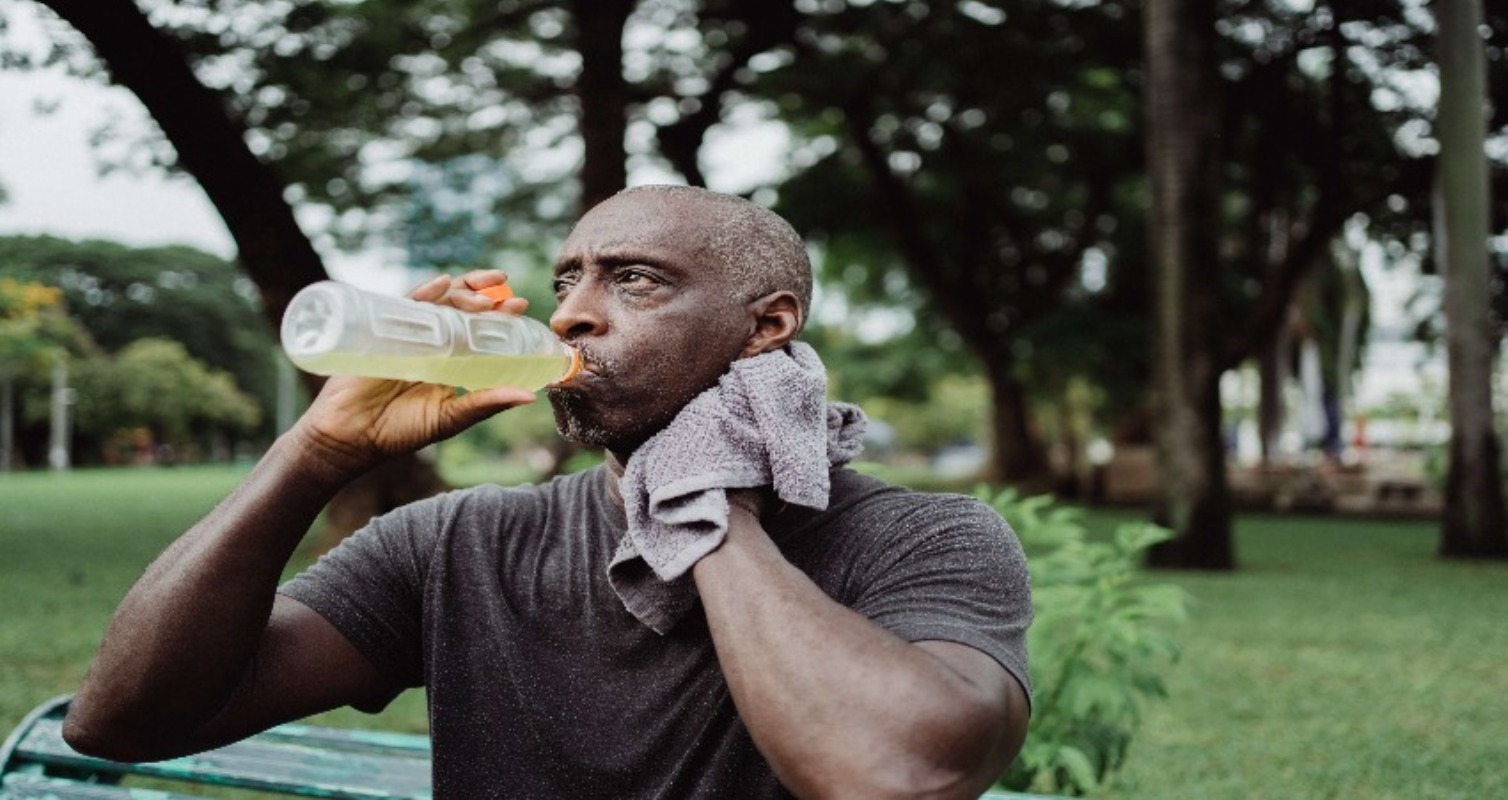
Gatorade launched the innovative “Sweat Machine” (often referred to as the Sweat Activate Machine) in Toronto as a promotional vending machine that rewarded active people with free drinks—but only if they’d truly worked up a sweat. If not, the machine challenged people to #KeepSweating by performing a few more squats, burpees or a jog on the spot. This was a clever, interactive stunt aimed at everyday athletes, shifting Gatorade’s focus from pro sports stars to motivating regular folks to stay hydrated and active. It ran in the summer of 2015 and became a viral hit.
What it was
Concept: Unlike standard vending machines that take cash, this one used biometric sensors (like a hand panel for heart rate and sweat detection) to scan users. If your heart rate was elevated (e.g., over 120 bpm) and you showed signs of exertion, it dispensed a free bottle of Gatorade. If not, it playfully challenged you with on-screen prompts like “Do 20 burpees, 10 push-ups, or jog in place to #KeepSweating” before re-testing.
Purpose: To promote Gatorade’s message of replacing what you lose in sweat, while making fitness fun and accessible. It tied into a broader campaign celebrating “ordinary” athletes, backed by facts like how fitter bodies sweat sooner to cool down efficiently (thanks to 2-5 million sweat glands per person).
Tech Behind It: Developed by TBWA\Toronto and Pixelpusher (a digital agency), the machine integrated pulse sensors and a custom interface for quick, engaging interactions. No coins needed—just effort!
When and Where
Launch Date: Debuted in early July 2015, with the stunt captured in a YouTube video that racked up views through social media and influencers under #KeepSweating.
Locations: Temporarily set up in high-energy Toronto parks popular with runners, bikers, and outdoor enthusiasts:
Trinity Bellwoods Park (a bustling west-end spot for picnics and workouts).
Ashbridges Bay (east-side waterfront trails for jogs and cycling).
Metro Square (a central urban hub).
Duration: A short-term activation (likely a few weeks), drawing crowds of curious passersby. Brand ambassadors were on-site to hype it up and help with exercises.
Impact and Fun Facts
Reception: It lured in dozens per setup, with most users passing the “test” and walking away buzzing (literally and figuratively). Even those who didn’t got a laugh and a nudge to get moving. Media called it a “sweat test for amateurs” and praised its grassroots vibe.
Why Toronto?: As a fitness-forward city with year-round outdoor activity, it was perfect for testing this interactive idea. No similar machines have popped up since, but Gatorade has evolved with tech like the Gx Sweat Patch (a wearable for tracking sweat loss during workouts, not a vending machine).
Artist Gabriel Barcia-Colombo has created a DNA vending machine that dispenses human genetic material to highlight privacy issues emerging as biotechnology makes it easier and cheaper to access information locked in our DNA.
In a dystopian future where we all have samples of our friends’ DNA, we will be able to do things like genetic engineering in the same way as we do 3D printing.
Gabriel Barcia-Colombo
The New York artist created the DNA Vending Machine with the hope of challenging people to ask more questions about privacy and who owns the material that makes us unique.
“There are a whole range of court cases that say our DNA can be used against us for anything,” explained the artist, who is also a lecturer at New York University specialising in interactive telecommunications. “We have huge pharmaceutical companies making loads of money out of DNA from people who haven’t necessarily given them permission to use it.”
Presented in a recent TED Talk, the DNA Vending Machine replaces snacks and drinks with samples of people’s genetic code. These samples can then be bought.
“I began collecting the DNA of my friends at my house during Friday night gatherings, and then furthered my collection through several scheduled open houses where anyone could come to my studio and sign up to submit an open-source sample of their own DNA,” the artist explained.
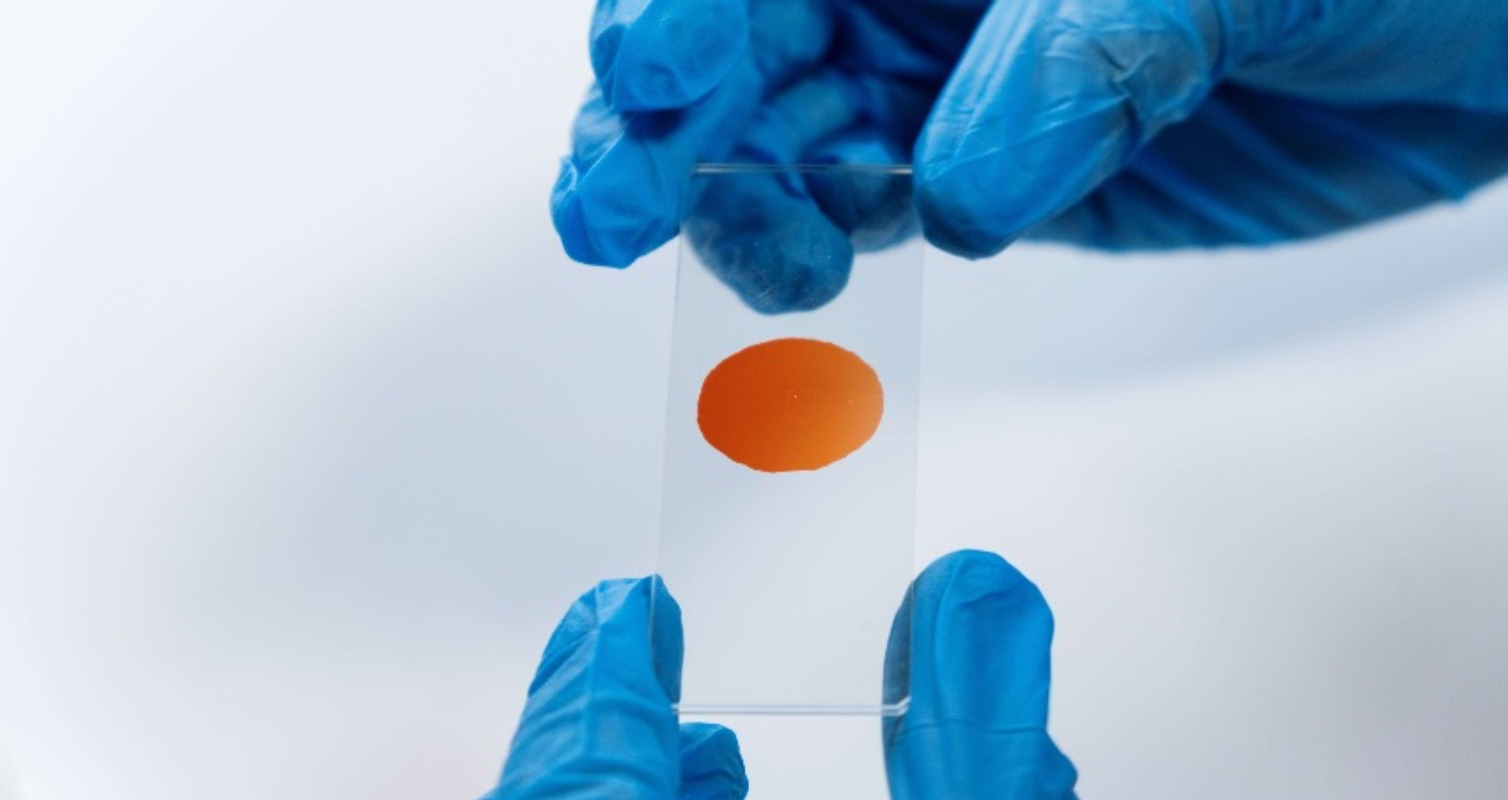
Participants in the project spat into a vial containing solution that breaks down the cells found in the saliva, releasing the DNA. Alcohol was then added, causing the strands of genetic code to clump together and making them visible to the human eye. The vials were then sealed inside identical white containers and placed inside a standard vending machine.
“Each sample comes packaged with a collectable portrait of the human specimen as well as a unique link to a custom DNA extraction video,” said Barcia-Colombo. The machine was installed in an art gallery in New York, and the artist recalls some of the reactions to the art piece. “They’re disgusted that this is using human genetic material, and they often are scared by it because the samples can be bought and used to plant evidence on a crime scene.”
Barcia-Colombo sees comparisons between DNA ownership and concerns over the collecting and harvesting of our own digital data.
Our phones are harvesting our data and then being sold is a very similar idea to companies harvesting our DNA and selling it to pharmaceutical companies without us knowing.
The DNA Vending Machine was designed to start a conversation that the artist feels is long overdue.
One of the most high-profile cases surrounding the legality and ethics of DNA ownership was the example of Henrietta Lacks. While receiving treatment for cancer of the cervix in 1951, she had a healthy part of the tissue removed without permission.
The cells were later grown in vitro and have since been used by pharmaceutical companies to develop polio vaccines and in the research of AIDS, cancer and radiation poisoning. The material is still used today and is referred to as “Hela Cells” in reference to the first two letters of her first and last name.
More recently, a court case in 1990 between John Moore, a US citizen undergoing treatment for hairy cell leukaemia and the UCLA Medical Center brought the issue back into the headlines. “The supreme court decision in the case ruled that a person’s discarded tissue and cells are not their property and can be commercialised,” said Barcia-Colombo. “It’s ridiculous. When it becomes easy to reproduce these things, it brings up a lot of personal questions about rights and you as a personal franchise.”
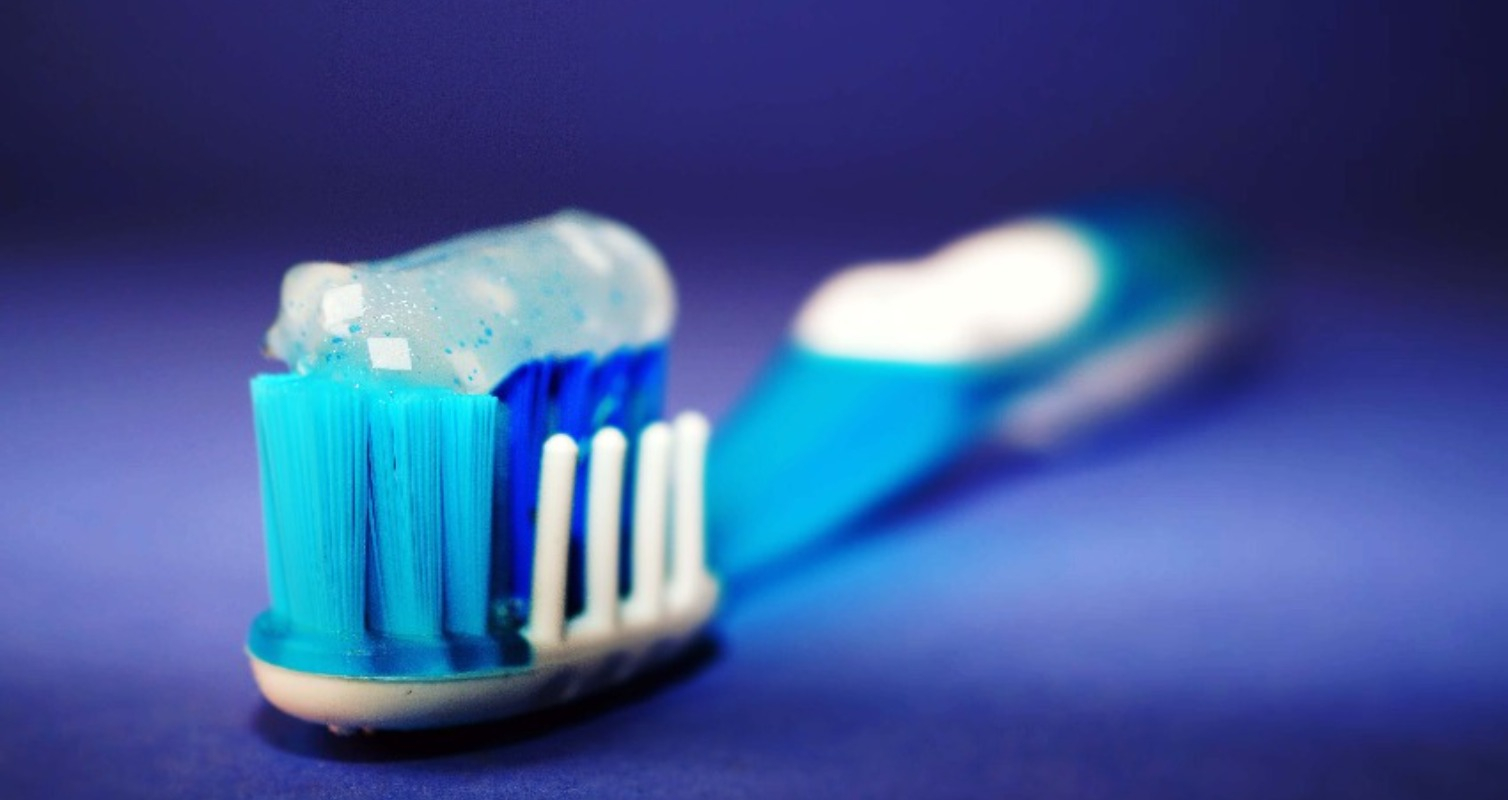
This is a clever idea to help to promote your toothpaste in this Toothpaste promotion vending machine!
Toothpaste promotion vending machine
Toothpaste vending machines represent a practical solution for providing essential oral care products on the go. Although not as common as other types of vending machines, toothpaste vending machines can be found in select locations such as hotels, airports, public restrooms, and shopping malls, catering to travelers or individuals who might need these products unexpectedly.
Key features and benefits
Convenience: These machines offer a quick and easy way to purchase oral hygiene products like toothpaste, toothbrushes, dental floss, and mouthwash. This is particularly useful for travelers who may have forgotten their personal care items or for those in need of an urgent replacement.
Variety of Products: Toothpaste vending machines often stock a range of brands and product types to cater to different preferences and needs. This includes various flavors of toothpaste, travel-sized options, and even eco-friendly or specialty dental products.
Hygiene Focus: Given the emphasis on cleanliness and hygiene, especially in public spaces, these machines provide a sanitary option for acquiring necessary oral care items without needing to visit a store.
Innovative Technology: Some advanced toothpaste vending machines incorporate smart technology that allows for contactless payment methods, including mobile payments or credit cards, enhancing user convenience and safety.
Sustainability Options: With increasing awareness about environmental issues, some toothpaste vending machines also offer eco-friendly products, such as biodegradable toothbrushes or refillable containers, promoting sustainable consumer practices.
Customization: Certain vending solutions allow users to customize their purchases, such as selecting specific quantities or types of products they need, making it easier for consumers to get exactly what they require.
While toothpaste vending machines are still somewhat niche, they highlight the potential for vending technology to meet everyday needs in a direct and accessible manner. As more businesses and public spaces look for ways to enhance visitor satisfaction and convenience, we could see an increase in the presence and sophistication of these machines.
From sun cream to freshly cut grass. Scented Air Vending machine brings the smell of summer to busy train station.
It is a vending machine stocked with bottles of “summer-scented” air at Slough train station (Berkshire, UK) to help evoke holiday memories among commuters and offer the perfect pick-me-up for those who are feeling down.
This was a promotional stunt rather than a permanent fixture, and it captured media attention in 2015.
What It Was
Concept: The “Smells of Summer” vending machine dispensed free bottles of scented air capturing classic summer aromas and are national favorites. Top scents included:
Freshly cut grass
Barbecue (BBQ)
Sun cream (sunscreen lotion)
Sea air (Mediterranean-style breezes)
Purpose: Commissioned by Holiday Autos (a car hire comparison site, now part of Lastminute.com), it aimed to brighten up gloomy commuters’ mornings by triggering nostalgic holiday vibes. A survey by the company found that 69% of Brits consider smell the most evocative sense for recalling happy memories, with 82% saying summer scents could serve as a mood booster.
How It Worked: It was Twitter-activated—users tweeted their favorite holiday memory to @HolidayAutos using #SmellsofSummer, which triggered the release of a matching scent bottle from the machine. No payment required; it was all about the fun and free pick-me-up.
Design and Setup: Built by vending designer Solomon Rogers and tech firm Rewind in just a week, the machine held about 100 custom-labeled bottles. It was placed in the station’s ticket office for maximum commuter exposure.
When and Where
Launch Date: Unveiled on July 30, 2015, right in the heart of Slough station—a busy hub on the Great Western Main Line, serving thousands heading to London Paddington daily.
Duration: It was a temporary installation, running for a short promotional period (likely weeks). Reports describe hundreds of commuters interacting with it immediately, calling it a “storm” of popularity, with plans to tour it to other UK stations—but no evidence it became a long-term thing.
Location Specifics: Slough station, Brunel Way, Slough SL1 1QW, UK. If you’re there today (as of November 2025), you’d find standard vending machines for snacks, drinks, and tickets, but nothing scent-related.
Why It Made News
This quirky setup went viral for blending tech, nostalgia, and marketing in a delightfully British way—think ambient advertising meets sensory therapy. It tied into Holiday Autos’ goal of inspiring travel bookings by “injecting fun, freedom, and frivolity” into daily routines. Media outlets like the Daily Mail and Belfast Telegraph hailed it as a clever mood-lifter for rainy commutes.
We want to inject fun, freedom and frivolity into holidays by giving people back that holiday feeling and something to smile about
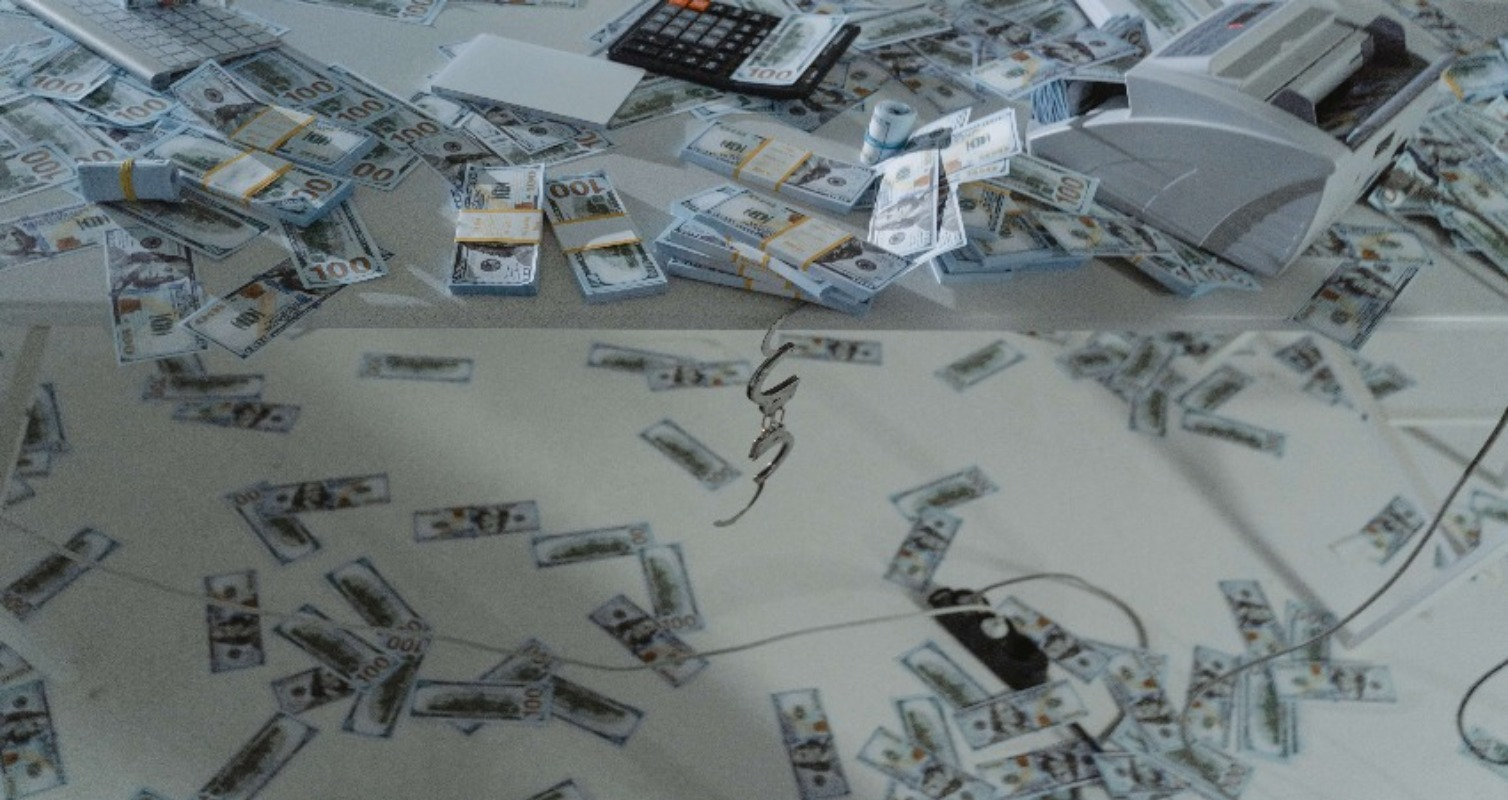
In 2011, New York City’s trendy Hudson Hotel—a Philippe Starck–designed boutique hotel nestled in Midtown Manhattan—made headlines with an audacious fusion of high fashion, automation, and impulsive luxury: a vending machine that sold diamond bracelets.
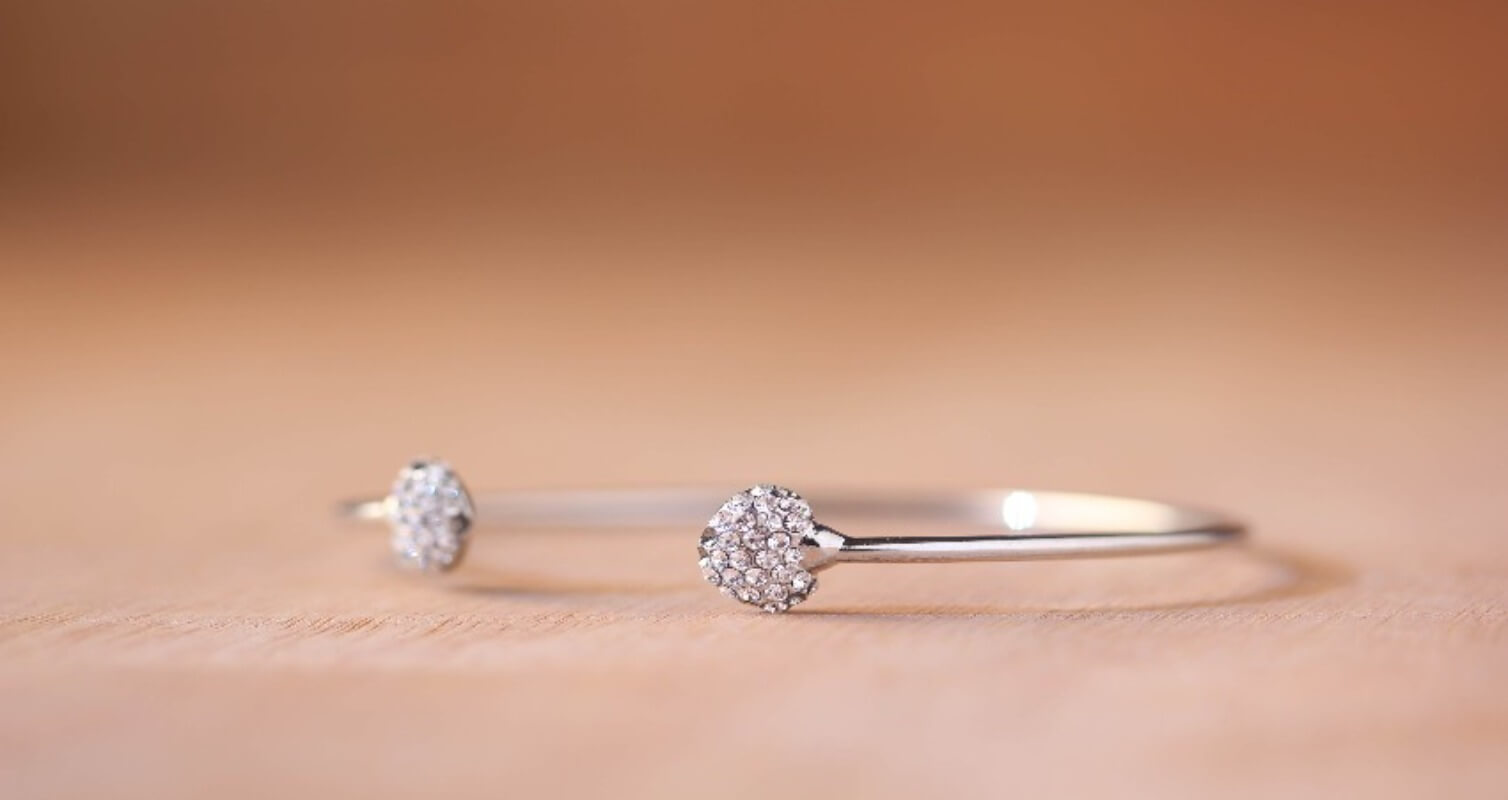
Dubbed a “bling machine” by the press, this gleaming, high-security dispenser was installed in the hotel’s lobby as part of a collaboration with luxury jewelry brand Links of London (then owned by the Folli Follie Group). Unlike the soda-and-snack dispensers most associate with vending machines, this unit showcased sterling silver and 18-karat gold bracelets, some adorned with genuine diamonds, priced between $250 and $2,500.
A Statement in Retail Theater
The concept wasn’t just about convenience—it was experiential retail as performance art. Positioned near the hotel’s dramatic spiral staircase and velvet-draped seating areas, the machine embodied the Hudson’s ethos: sleek, playful, and slightly surreal. Guests—often fashion insiders, celebrities, or affluent travelers—could browse sparkling jewelry 24/7 without interacting with a salesperson, appealing to those craving spontaneity or discretion.
The machine itself was a feat of design and security:
Climate-controlled interior to protect delicate pieces
Tempered glass and anti-theft mechanisms
Soft LED lighting that highlighted each bracelet like a museum display
Touchscreen interface with product details and brand storytelling
Why a Vending Machine for Fine Jewelry?
The initiative tapped into several cultural currents of the early 2010s:
The rise of “affordable luxury”—high-end items presented in accessible formats
The allure of instant gratification in the digital age
The blending of hospitality and retail, turning hotel lobbies into lifestyle destinations
As one hotel executive noted at the time: “If you can order room service at 2 a.m., why not buy a diamond bracelet?”
Media Buzz and Cultural Impact
The machine garnered widespread media attention, featured in Vogue, The New York Times, BBC, and CNBC, often framed as a symbol of eccentric urban luxury. Critics questioned its practicality, but supporters hailed it as a bold experiment in democratizing luxury retail—or at least, making it more theatrical.
Though the Links of London vending machine was likely a limited-time installation (and Links of London later faced financial difficulties), it left a lasting imprint on conversations about retail innovation, consumer behavior, and the boundaries of automation.
Legacy
While diamond bracelet vending machines never became commonplace, the Hudson Hotel’s 2011 experiment remains a cult favorite in the annals of unconventional retail—a shimmering reminder that in the right context, even the most precious objects can find a home behind glass, waiting for a curious traveler with a credit card and a sense of whimsy.
💎 A press of a button, a soft chime—and just like that, luxury was dispensed.
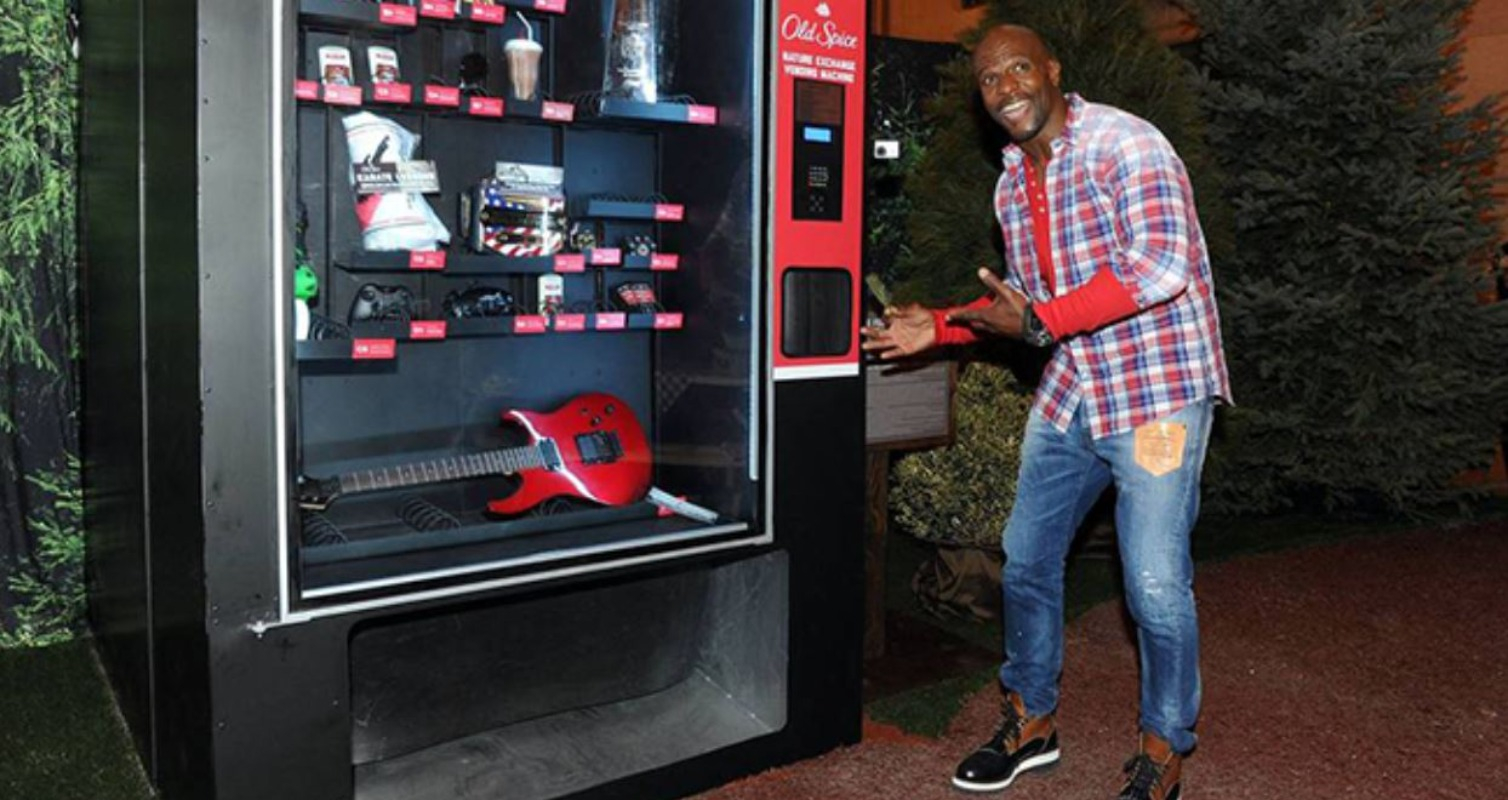
Grand Central Terminal’s Vanderbilt Hall has hosted many quirky pop-ups over the years, but the Nature Exchange Vending Machine stands out as a wild, one-of-a-kind promotional stunt. Launched by Procter & Gamble’s Old Spice brand, this oversized, interactive vending machine ran for just three days—from February 12 to 14, 2015—turning the bustling Midtown hub into a makeshift urban jungle. It was all in celebration of Old Spice’s “Fresher Collection” of body washes (scents like Timber, Amber, and Citron), blending eco-adventure vibes with the brand’s signature absurdity. Think: swapping a squirrel tail for a drone, because why not?
What Was the Machine?
Concept: Dubbed the “Nature Exchange,” it wasn’t your standard snack dispenser. Instead, it invited commuters and tourists to “trade” natural oddities for manly prizes. Deposit an item from the wild (e.g., a pinecone, snake skin, or owl pellet), and out popped a reward—no cash required. It was framed as a “reward for fans” who embraced the great outdoors, even in NYC’s concrete chaos.
Setup: Nestled in East Vanderbilt Hall (the grand event space off the main concourse), surrounded by fake pine trees, prickly plastic grass, and faux wilderness backdrops. The machine itself was a massive, custom-built beast—taller than a person, with slots for “deposits” and dramatic reveal mechanics.
How It Worked:
Pick a category on the touchscreen (e.g., “Exotic Finds” or “Everyday Nature”).
Insert your nature item into the designated slot—judged by hidden sensors or staff for authenticity.
Receive a randomized prize, scaled to the item’s “wow factor.”
Why February 12–14?: Timed for Valentine’s Day weekend, it tapped into spontaneous romance (or bromance) with a nod to “fresher” scents for dates. The short run built hype—lines formed quickly, and it went viral on social media.
Trade Examples & Prizes
The exchanges were delightfully bizarre, emphasizing rarity and humor. Here’s a snapshot of what people traded and got back:
Nature Item Deposited
Prize Rewarded
Vibe/Notes
Pinecone or Twig
Old Spice body wash kit or towel
Basic entry-level trade for everyday finds.
Snake Skin or Brain Coral
High-end gadget like a portable speaker
For exotic hauls—proved you were a real adventurer.
Owl Pellet or Squirrel Tail
Drone or custom-engraved flask
Top-tier rarities; the “jackpot” for dedicated foragers.
Feather or Seashell
Scented cologne sample pack
Quick, low-stakes fun for casual participants.
Prizes totaled over 100 items, all Old Spice-branded, with a focus on grooming essentials. No item was too weird—staff verified deposits to ensure they were genuine nature-sourced (no fakes!).
Impact & Legacy
Post-2015: It didn’t return, but inspired similar experiential marketing.
Crowd Draw: It pulled massive lines during rush hour, with hundreds participating daily. Media outlets like Adweek called it a “generous and oddly specific” stunt that humanized the brand. Social buzz exploded, tying into Old Spice’s irreverent ads (remember “The Man Your Man Could Smell Like”?).