At first glance, the coffee machine looks pretty normal. On close inspection, it’s missing something important. There’s no place to insert money, as the only currency it accepts is yawns!
Facial-recognition software built into the machine looks for people standing in front of it. It maps their faces and waits for the telltale signs of a yawn. A yawn triggers a hot cup of coffee.
The coffee company chosed the airport as a prime place full of weary passengers and plenty of yawning. Over the course of the marketing stunt, the machine reacted to 210 yawns.
Viral Impact & Legacy:
Social Proof: Social Media posts from 2013 hyped it as innovative, with users sharing the video and calling it a “Monday morning savior.” By 2020, it resurfaced in threads on quirky vending machines, alongside Coke’s karaoke dispensers.
Reception: The stunt generated massive buzz—videos of confused yawns turning to grins racked up millions of views on YouTube. Media outlets praised it as “empathetic marketing,” with Adweek calling it an “exceedingly empathetic” twist on vending norms. It won accolades, landing in South Africa’s Ad of the Year Top 5.
Amstel placed a fake vending machine in high-traffic urban areas (like Sofia’s city center). At first glance, it looked like a typical beverage dispenser with bright Amstel branding and buttons. But when people approached:
They inserted coins or tapped their card…
Pressed a button…
And nothing happened.
No can dropped. No drink came out.
Instead, after a few seconds, a screen lit up with a gentle message like:
“You’ve paused.” “No reward. No distraction. Just a moment of doing nothing.” “Enjoy the pause.”
Sometimes, soft ambient sounds or calming visuals accompanied the message.
After the “pause” (about 10–15 seconds), the machine refunded the money—reinforcing that this wasn’t a sales tactic, but a mindful intervention.
Do nothing for Beer Vending Machine!
🎯 Purpose & Brand Message
This wasn’t about selling beer on the spot. It was anti-consumerist performance marketing designed to:
Challenge the reflex to always seek instant gratification (like tapping, swiping, buying).
Create a real, physical “pause” in someone’s busy day.
Associate Amstel not just with beer, but with a lifestyle of balance, presence, and human connection.
Generate social media buzz through surprise and shareable confusion (“Why didn’t the machine work?!”).
The campaign slogan—“Do Nothing”—was deliberately paradoxical in a culture obsessed with productivity. Amstel positioned itself as the brand that gives you permission to stop, breathe, and reconnect—with yourself or others.
📣 Reception & Impact
The vending machine stunt went viral on Bulgarian social media, with many people filming their confused reactions.
It sparked conversations about mental well-being, digital burnout, and mindfulness.
Critics praised it as refreshingly non-salesy for a beer brand.
It aligned with Amstel’s global repositioning away from “party” imagery toward calm, authenticity, and quality time.
✅ Key Takeaway
The Amstel “Do Nothing” vending machine in Bulgaria was not a functional beer dispenser—it was a conceptual art piece and brand experience designed to make people pause, reflect, and question their autopilot habits.
It perfectly embodied Amstel’s message: Sometimes, the most rewarding thing you can do… is nothing at all.
And yes—after your pause, you were free to enjoy a real Amstel beer… just not from that machine. 😉
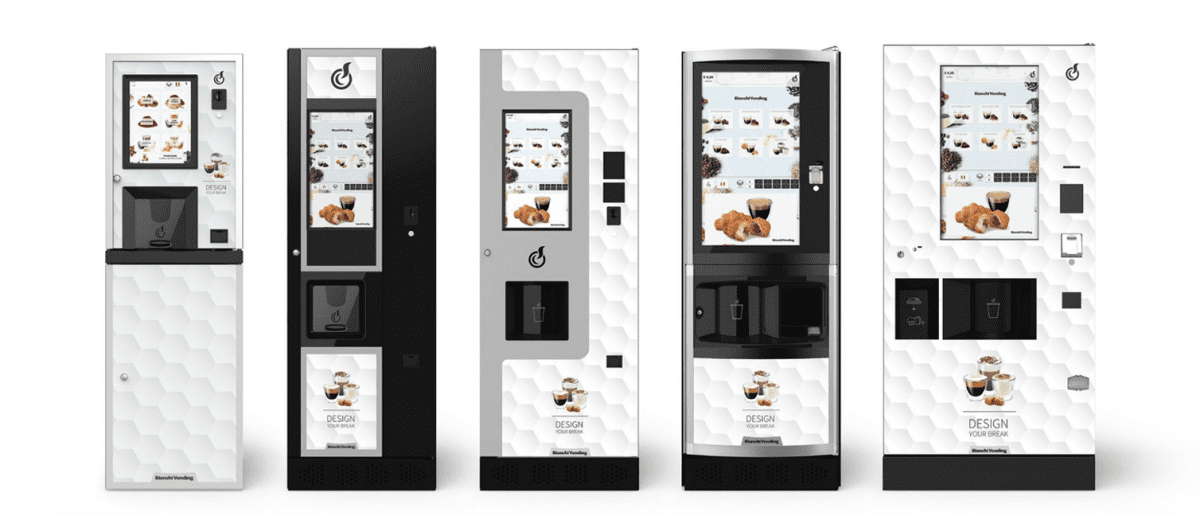
Proudly introducing coffee machine from Bianchi Vending, Italy that was launched in Hong Kong in 2021. You can create an efficient refreshment area for every type of environment: public areas, companies, offices, shops, hotels, restaurants and many others.
Premium product within Your reach!
The technologies are developed with one goal in mind: to offer people the type of break they wish for, making the work of operators easier and giving them the opportunity to best meet new consumption requirements. It is the time to invest in quality innovation, the intelligent answer to market demand.
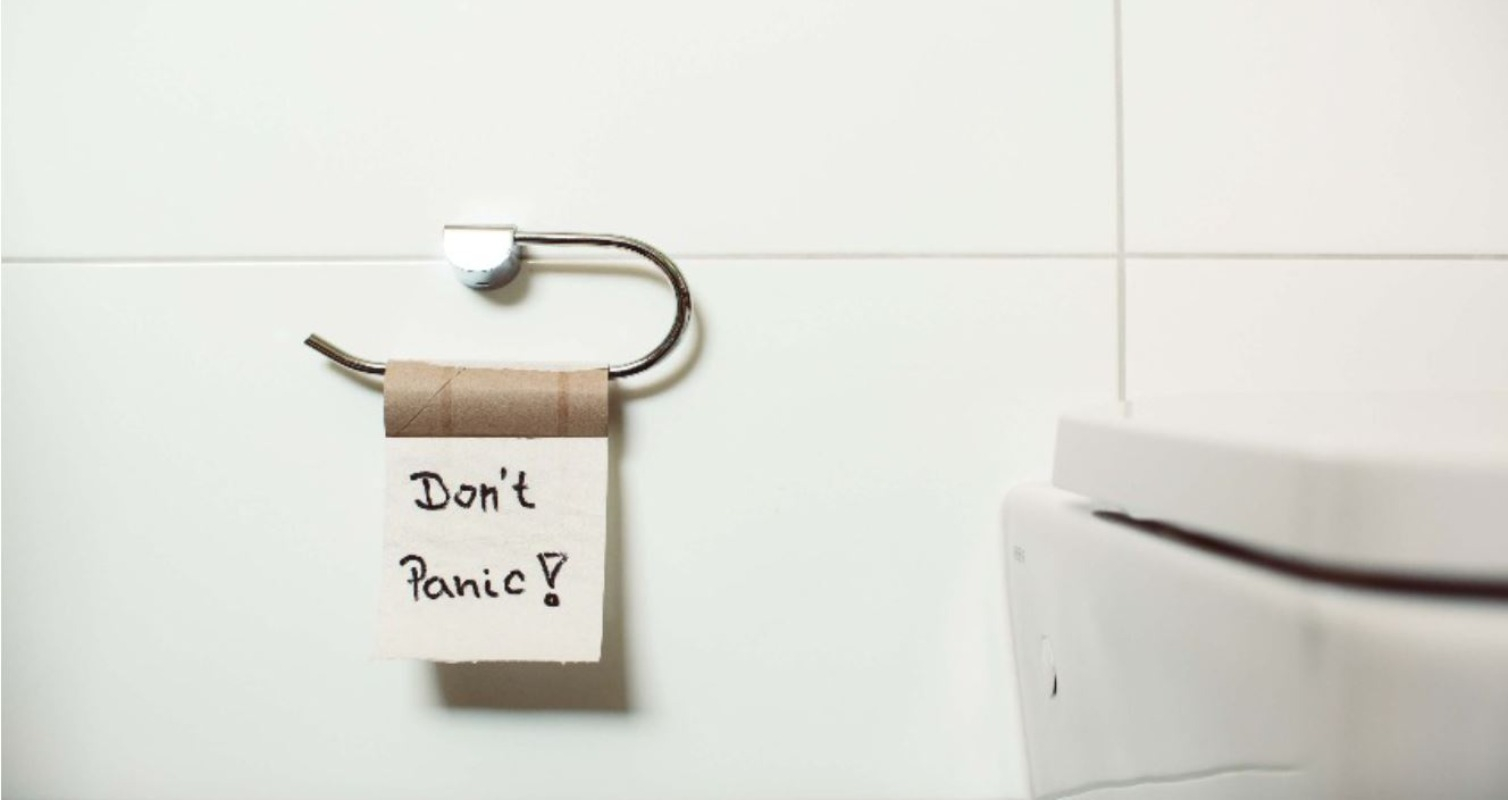
To avoid wastage, some public rest rooms in Japan will charge you. Though it will worth every single dollar if you need it.
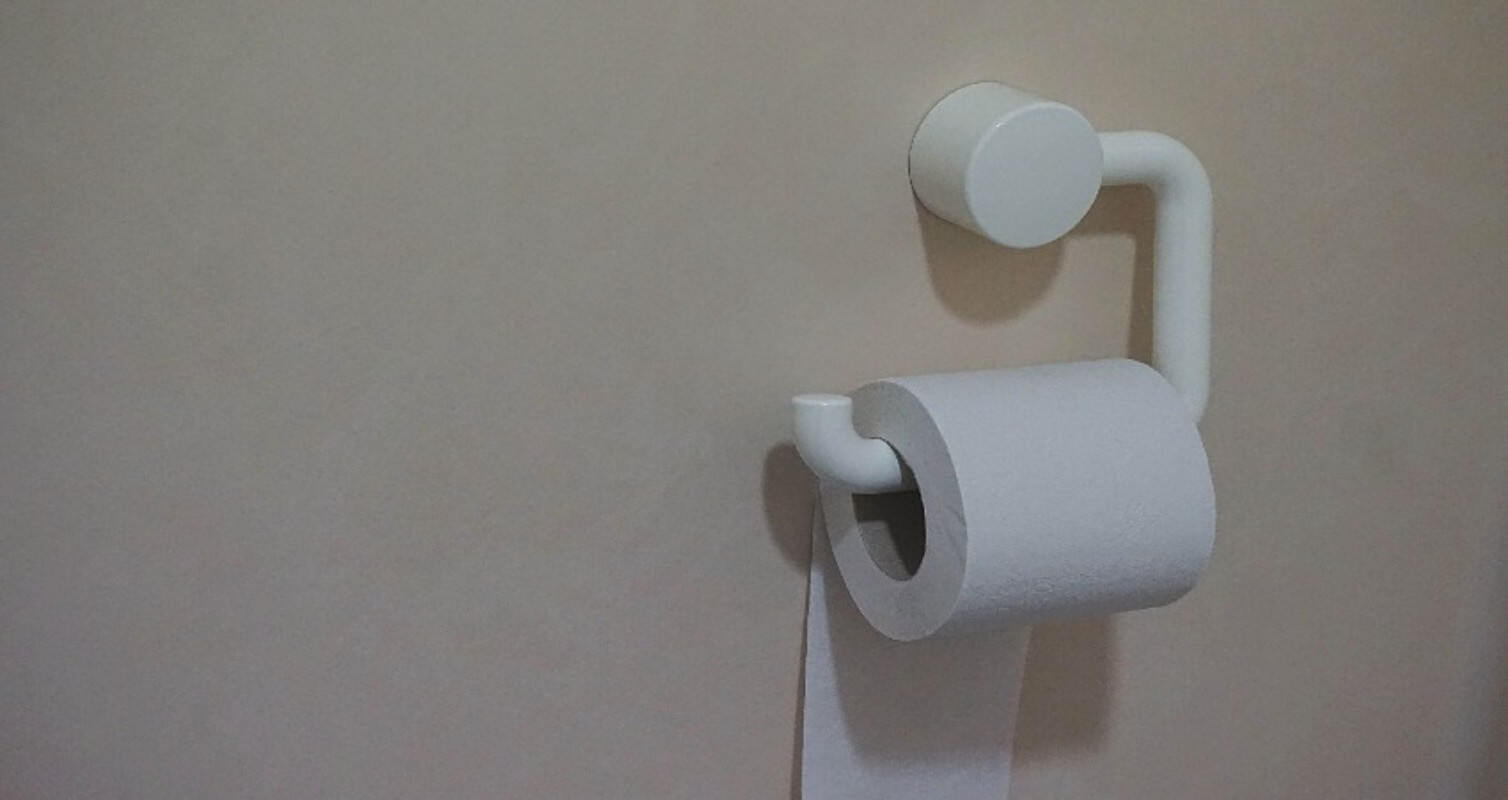
Why Toilet Paper Vending Machines?
Convenience: In areas with limited retail access—like rural towns, train stations, or public restrooms—these machines provide quick access to essential supplies.
Emergency Use: Some public restrooms (especially older or less-maintained ones) may run out of toilet paper. A nearby vending machine offers a reliable backup.
Hygiene and Contactless Transactions: Especially post-pandemic, vending machines reduce the need for person-to-person interaction.
24/7 Availability: Unlike convenience stores, vending machines operate around the clock.
While not as common as drink or snack machines, toilet paper vending machines reflect Japan’s blend of practicality, technological adaptation, and customer-centric service design. They’re a small but telling example of how Japan uses automation to meet everyday needs—efficiently and reliably.
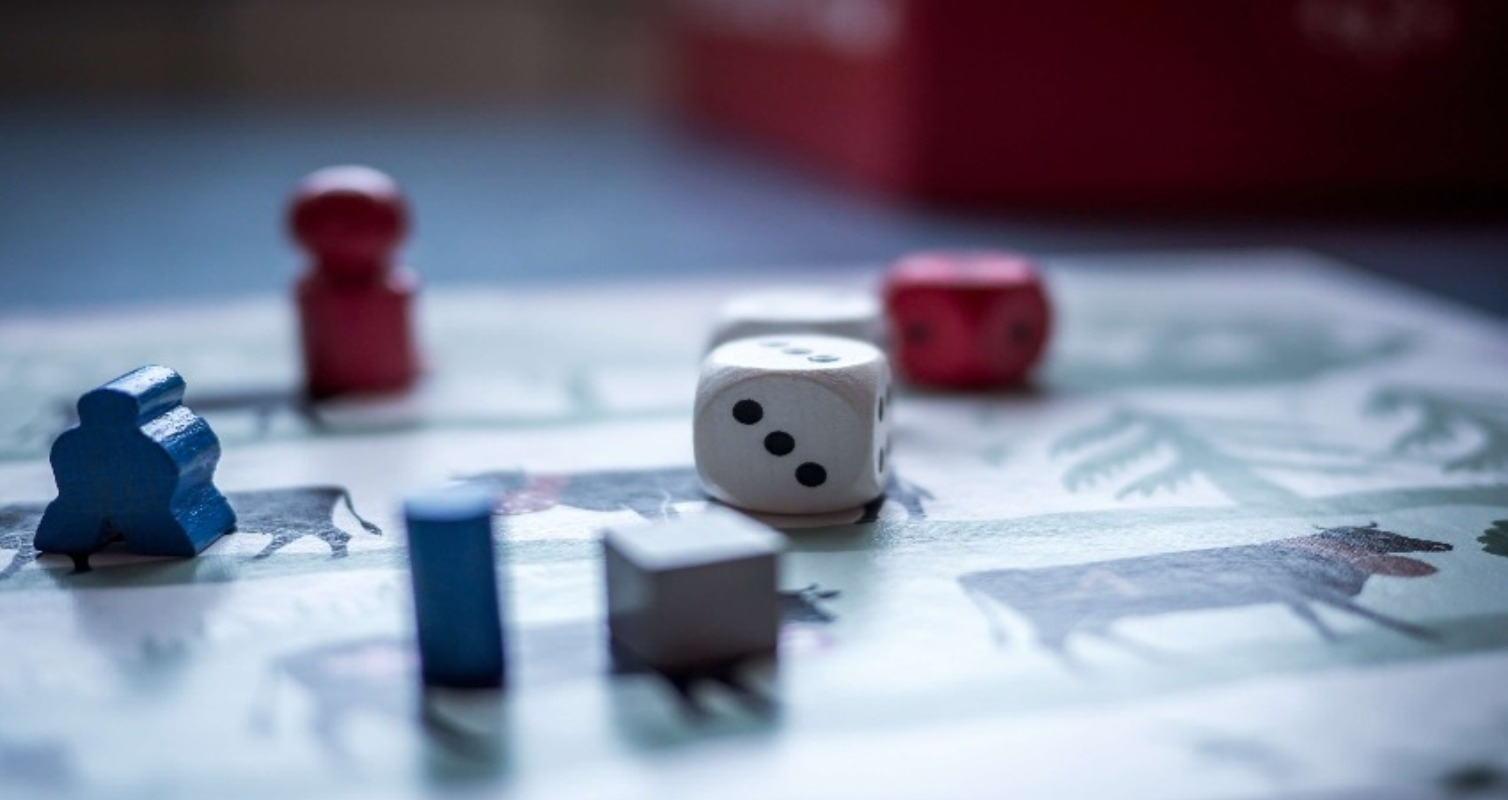
There are Vending Machines selling the most popular board games and it is great for promotion in popular and busy location. We are currently observing the release of around 3,500 new board games every year, and that number is increasing by around 5.7% each year.
Key Features:
Selection of Games: These vending machines stock a curated selection of board games, ranging from classic family games to niche or newly released titles. The aim is to cater to different age groups and interests, making it easier for enthusiasts and newcomers alike to discover new games.
Compact Packaging: To fit within the constraints of a vending machine, the board games are often specially packaged in compact versions or travel editions, ensuring they are small enough to be dispensed easily while still offering the full gaming experience.
Interactive Displays: Many modern vending machines include digital displays that allow users to browse through available games, read reviews, view gameplay videos, or see recommendations based on their preferences. This helps customers make informed decisions before purchasing.
Convenience: Board game vending machines can be strategically placed in locations such as shopping malls, airports, libraries, and community centers, providing easy access to games for families, travelers, or anyone looking for entertainment on the go.
Promotional Opportunities: These machines also serve as promotional tools for game publishers. They can feature limited edition releases, exclusive content, or tie-ins with events like game conventions, helping to build excitement around new product launches.
Sustainability Options: Some vending machines incorporate eco-friendly practices, such as using recyclable packaging materials or offering discounts to customers who return game boxes for recycling.
Benefits:
Accessibility: Makes board games more accessible by placing them in high-traffic areas where people might not typically think to look for games.
Impulse Buys: Encourages impulse purchases due to the convenient nature of vending machines, potentially introducing new audiences to tabletop gaming.
Community Engagement: In places like libraries or community centers, these machines can support local gaming communities by making it easier for members to try out new games or find gifts for fellow enthusiasts.
Examples and Potential Impact:
While specific examples of board game vending machines may be limited, the idea aligns well with the growing popularity of tabletop gaming. Companies like Hasbro or independent game designers could leverage this platform to reach broader audiences, especially in regions where specialty game stores may not be readily available.
The first vending machine in Japan sold cigarettes, and was introduced in 1888. The inventor of this vending machine was a furniture artisan by the name Tawaraya Koshichi.
Why Japan loves vending machines? Three main reasons are usually attributed:
Japan’s low crime rate – vending machines, whether inside or outside, are seldom broken into.
Japan’s love for convenience – the ability to purchase whatever you want wherever you want is culturally appealing.
Japan’s knack for quirky cool and the quest for the latest trend – who wouldn’t queue up to be one of the first to buy something not available anywhere else?
Fun Fact about vending machine in Japan
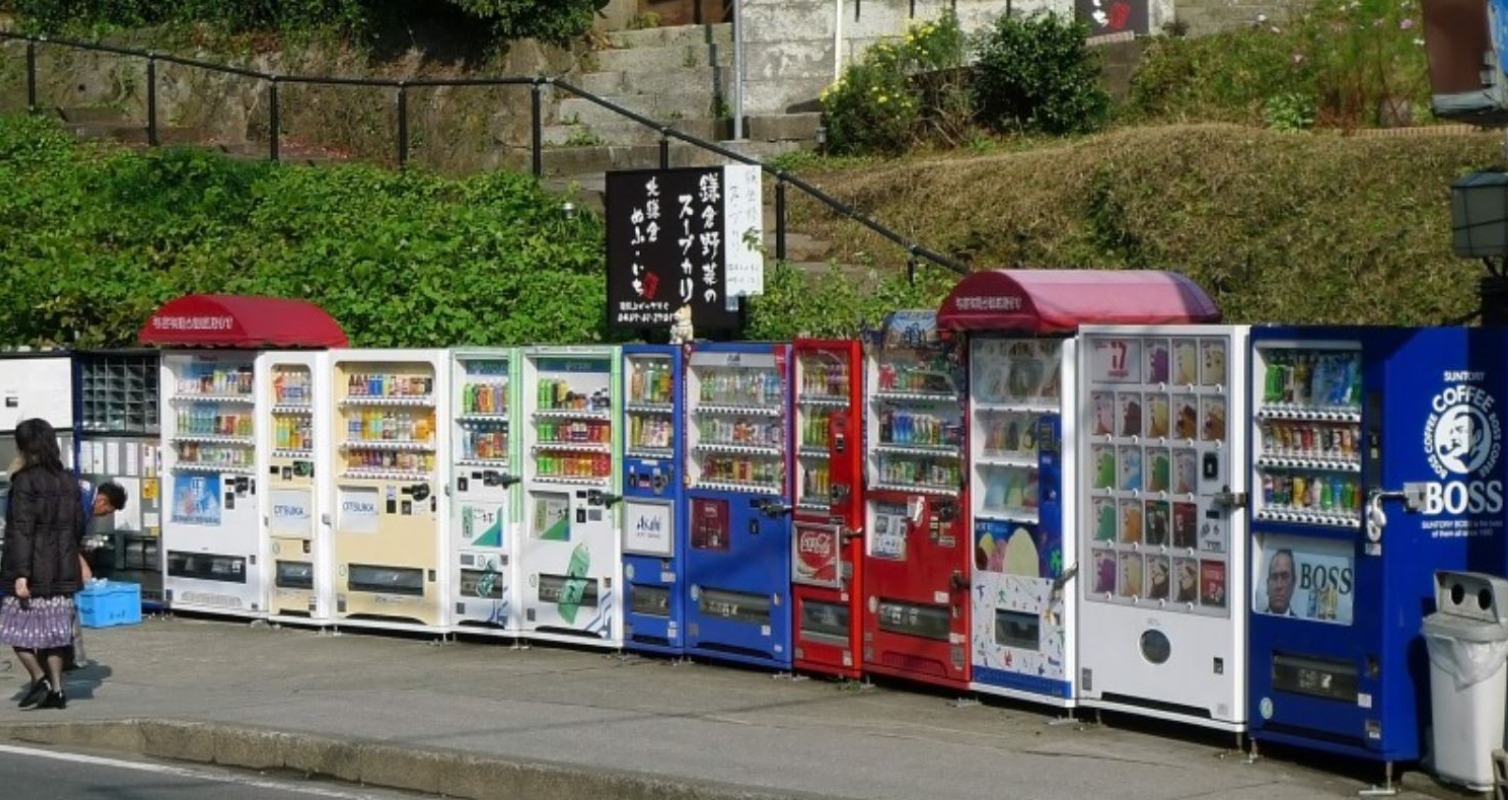
Japan has over 5 million vending machines nationwide.
Japan has approximately 1 vending machine for every 23 people.
Annual sales from vending machines total more than $60 million USD.
If all Japanese vending machines were placed side by side, it would extend from Tokyo all the way to Hawaii.
Japanese vending machines can accept many forms of payment.
Employees who restock Coca-Cola system vending machines in Japan also engage in crime prevention initiatives to keep neighborhoods safe. If they notice any suspicious activity or see someone who may need help these Coke employees alert local police or fire stations, or provide assistance themselves.
Getting a vending machine in Japan
An interested person can apply for a vending machine. Once the management approves the application, they need to pay an installation charge of about 10,000 Yen. The vending machine is then set up for them at the chosen spot from the available ones. If you get a good spot, the vending machine can be a very lucrative business.
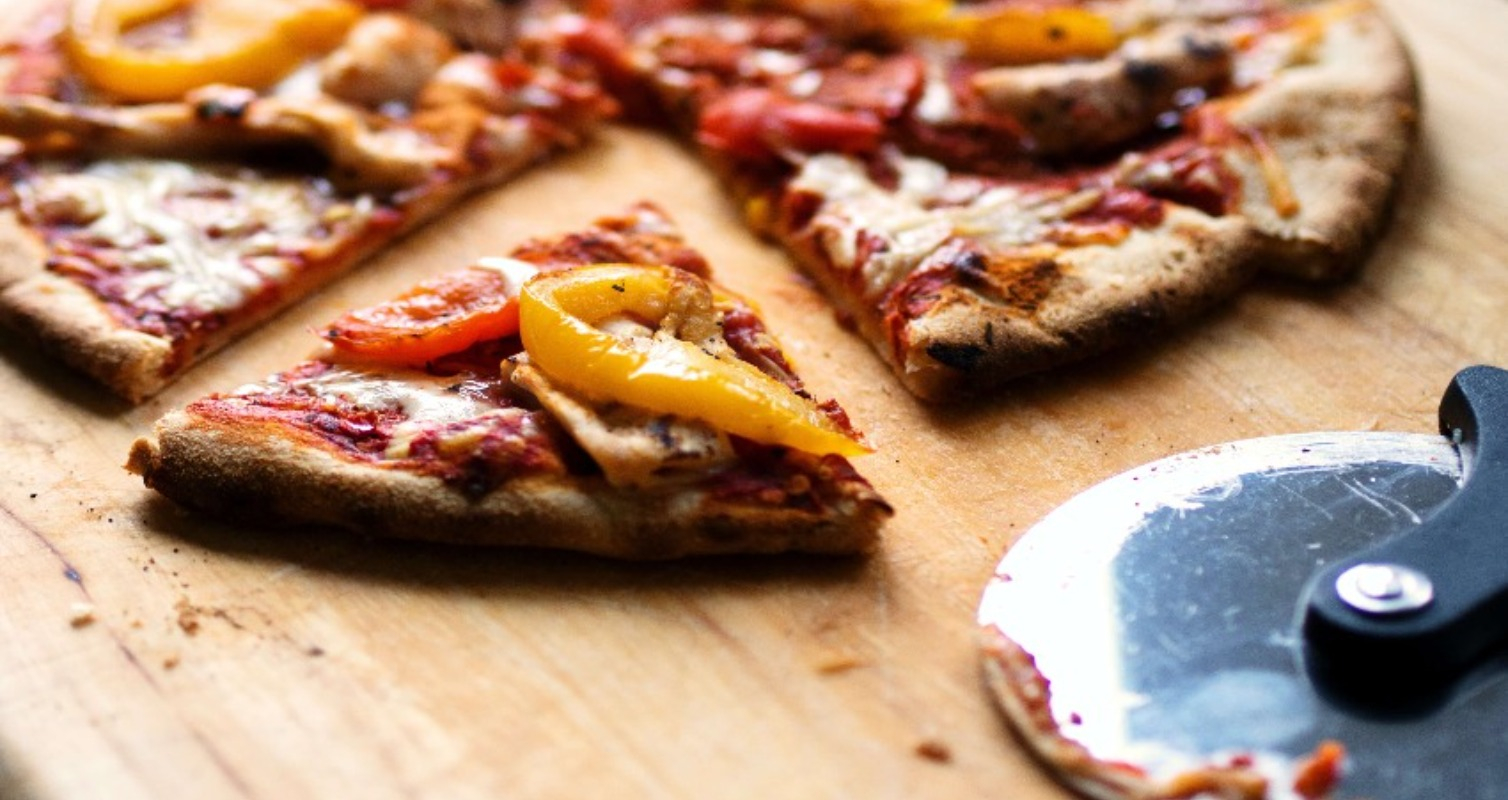
Over the last decade, Mr. Torghele developed a vending machine that cooks pizza. The machine does not just slip a frozen pizza into a microwave. It actually whips up flour, water, tomato sauce and fresh ingredients to produce a piping hot pizza in about three minutes.
The Let’s Pizza vending machine at a shopping mall in Trentino, Italy. It can turn flour, water, tomato sauce and fresh ingredients into hot pizza in a few minutes for a price as low as $4.50.
The machine, which Mr. Torghele calls Let’s Pizza, is only the spearhead of a trend.
Unlike the old automats, which were staffed with workers who refilled the machines with creamed spinach and baked beans as fast as customers pulled them out, these restaurants consist entirely of vending machines.
In Milan, a two-hour drive west of Rovereto, a franchise chain called Brekky has opened the first three of what is planned to be a large chain of restaurants in which customers can buy cold dishes like salads and sandwiches, and warm dishes like pasta, from vending machines.
North of the Alps, the automat never really died out. In the Netherlands, Febo, a chain started in 1941 by a Dutch baker, now has about 60 restaurants. In France, bright green and yellow Yatoo Partoo machines — the name loosely translates as “You can get everything, everywhere” — sell milk, juice, snacks and sandwiches 24 hours a day, seven days a week.
Europeans are looking for less expensive ways to eat out, and the automat is far less expensive than a white-tablecloth restaurant.
The idea for a pizza robot came to Mr. Torghele after he worked in California in the mid-1990s creating a fresh pasta manufacturer. “At food courts I saw a trend toward vending machines,” he said at his office. “In fast food, I saw pizza everywhere.”
The machine Mr. Torghele and his engineers produced is outfitted with little windows so the customer can watch the pizza being made. As in the Charlie Chaplin film “Modern Times” (in miniature and without Chaplin) wheels turn and gears grind. The customer presses a button to choose one of four varieties — margherita (plain cheese and tomato sauce), bacon, ham or fresh greens. A plastic container dumps flour into a drum resembling a tiny washing machine; a squirt of water follows, and the drum goes into a spin cycle, forming a blob of dough that is then pressed flat to form a 12-inch disk.
Tomato paste is squirted onto the dough and cheese is added before it is lifted into a small infrared oven. The baked pizza then slips onto a cardboard tray and out into the customer’s waiting hands. Mr. Torghele says the pizza will cost as little $4.50, depending on the variety.
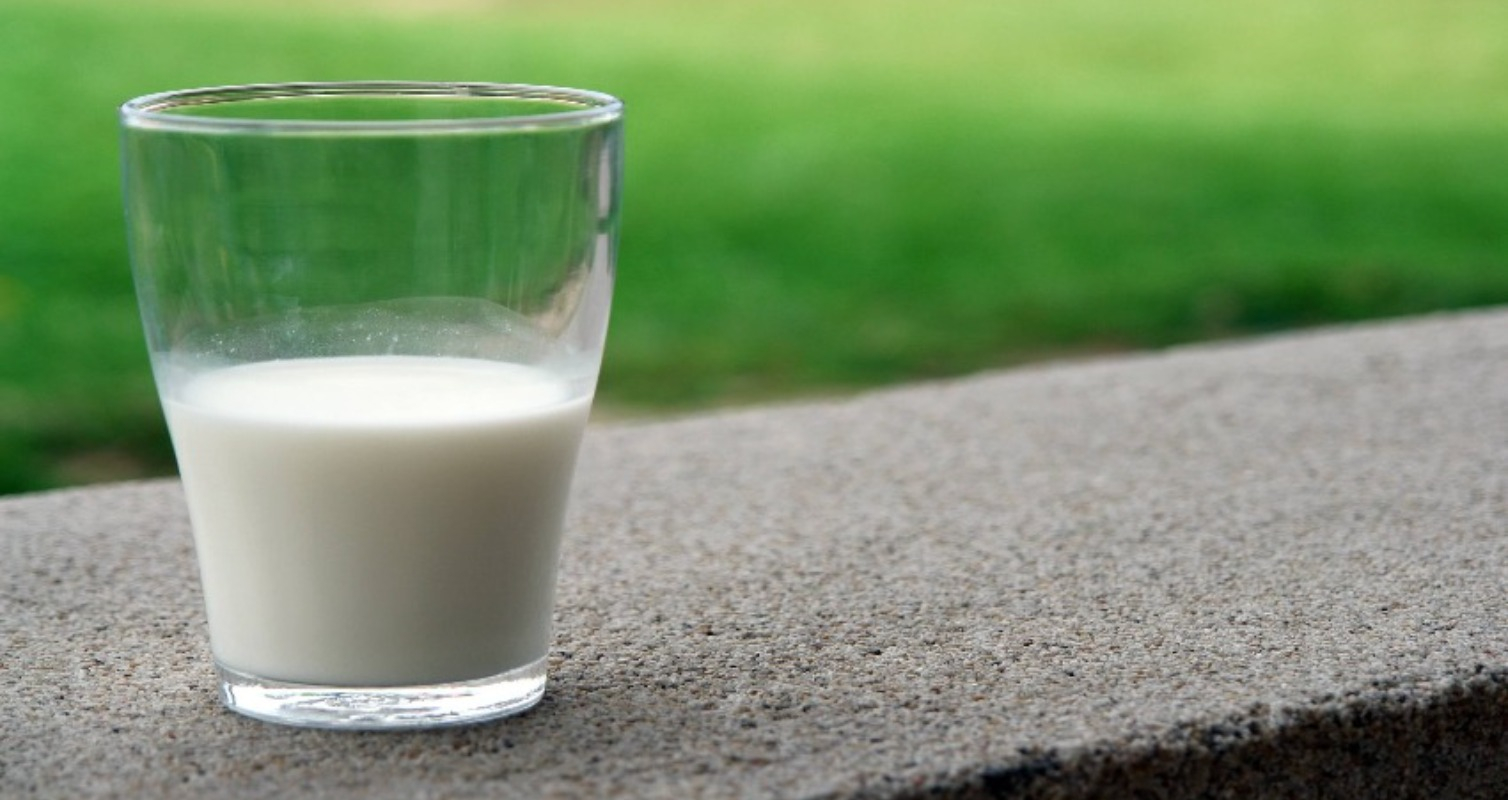
In the ever-evolving landscape of Japanese vending machines—where you can buy everything from hot udon to fresh eggs—few dispensers evoke as much warmth and nostalgia as the Morinaga Milk Vending Machine (森永牛乳自動販売機). Operated by Morinaga Milk Industry Co., Ltd., one of Japan’s oldest and most trusted dairy companies (founded in 1917), these machines offer more than just milk—they deliver a taste of childhood, tradition, and wholesome simplicity.
What Is It?
The Morinaga Milk Vending Machine is a specialized refrigerated vending machine that dispenses fresh, chilled bottles or cartons of Morinaga’s premium milk, often alongside other dairy products like yogurt drinks, lactic beverages (e.g., Bifidus), and seasonal treats. Unlike typical beverage vending machines selling sodas or canned coffee, these units focus exclusively on high-quality, locally sourced dairy.
The most iconic version sells glass-bottled milk (200ml or 350ml) with a classic red-and-white Morinaga label—a design that has remained nearly unchanged for decades, instantly recognizable to generations of Japanese consumers.
Where Can You Find It?
These machines are intentionally placed in family-friendly, health-conscious, or nostalgic settings:
Near elementary schools (where parents or kids might grab a nutritious drink after class)
In residential neighborhoods, parks, and community centers
Along countryside roads or onsen (hot spring) towns, especially in regions like Hokkaido or Nagano—famous for dairy farming
At train stations in smaller cities or rural areas, where local pride in regional dairy shines
Unlike flashy urban vending machines, Morinaga milk dispensers often have a retro, utilitarian look—sometimes housed in simple metal cabinets with a small window to view the chilled bottles inside. Many operate 24/7, glowing softly with a reassuring hum.
Why Is It Special?
Freshness & Quality Morinaga sources milk from local farms, often emphasizing low-temperature pasteurization to preserve flavor and nutrients. The milk is typically delivered and restocked frequently, ensuring peak freshness.
Nostalgia Factor For many Japanese adults, the sight and sound of a Morinaga milk bottle clinking into the tray brings back memories of school lunches, summer hikes, or post-baseball-practice refreshments. It’s a symbol of “showa-era” innocence and simplicity.
Eco-Conscious Design Some models still use returnable glass bottles, encouraging reuse—a practice that aligns with Japan’s growing sustainability efforts. Even disposable cartons are made with recyclable materials.
Limited-Edition & Regional Varieties In certain areas, you might find Hokkaido rich milk, low-fat options, or seasonal flavors like cocoa milk in winter or strawberry yogurt drinks in spring.
A Quiet Counterpoint to Modern Convenience
While Japan dazzles the world with AI-powered ramen vending machines and robot cafes, the Morinaga Milk Vending Machine stands as a quiet, wholesome reminder of slower, more grounded values: nutrition, trust, and daily ritual. There’s something deeply comforting about pressing a button and receiving a cold bottle of pure milk—no gimmicks, no sugar rush, just nourishment.
In a society that moves at lightning speed, this humble machine offers a moment of pause—a sip of calm, chilled in glass and wrapped in memory.
Vending Machine are not very common in India and are usually found only in major cities or along some national highways. Seaga India, a 100% subsidiary of the Seaga Group of USA, is the pioneer for bringing the concept of vending machines to India.
Vending machines are used to sell snacks, beverages, condoms, public transit tickets, Jewellery, and change for currency notes.
Several reasons have been attributed to the lack of success of vending machines in India. The availability of cheap labour makes operating stores or kiosks economical; customers lack of technical knowledge and feel uneasy using vending machines; a lack of machines that accept a wide variety of payment methods; vandalism, rough use, and poor maintenance of the machines. However, vending machines are relatively new in India and analysts believe that usage will rise.
Netherlands
A common feature of snack bars in the Netherlands is a wall lined with coin-operated machines. Each has a vertical row of little windows, with a (usually hot) snack behind each, e.g., a croquette, a frikandel or a hamburger.
Behind the machine is the kitchen where the snacks are prepared, with the little windows being re-supplied from the back.
Automatieks may provide chairs for customers, but it is also common to have seating only for customers buying food at the counter. Sometimes the vending machines are in an outside wall, and no shelter is provided.
These vending machines are often located at railway stations or in busy shopping streets.
Russia
In the USSR, vending machines became more common after Nikita Khruschev visited the USA. On his order, many types of vending machines were designed. Soft drink machines were popular in all Soviet cities. They were designed to dispense into a glass and equipped with a washing device
South Africa
In 2012 South African beverage company BOS Ice Tea installed a Twitter-activated vending machine in Cape Town.