Author: Editoral Team

  • Pajamas Vending Machine

    Pajamas Vending Machine

    While vending machines are traditionally associated with snacks, drinks, or small essentials, a growing trend in automated retail has brought unexpected items to the forefront—including pajamas. Though still niche, pajama-dispensing vending machines represent a blend of travel convenience, emergency preparedness, and lifestyle innovation.

    Where and Why They Exist

    These machines are typically found in high-traffic, overnight environments where people might unexpectedly need sleepwear:

    • Hotels & Airports: Some international airports (e.g., Tokyo Narita, Singapore Changi, and select European hubs) have tested “Emergency Essentials” vending kiosks that include travel-sized toiletries, socks, underwear—and disposable or reusable pajamas.
    • Hospitals: In countries like Japan and South Korea, visitor-friendly hospitals sometimes offer overnight care kits, including soft cotton pajamas, for family members staying with patients.
    • University Dorms & Hostels: Pilot programs in Europe have installed late-night amenity machines in student housing, offering affordable sleepwear for forgotten or last-minute needs.
    • Spa & Onsen Resorts (Japan): Many traditional Japanese inns (ryokan) and hot spring resorts provide yukata (light cotton robes) via in-room closets—but some modern facilities now use smart lockers or vending-style dispensers for hygiene and contactless service.

    Design & Product Features

    Pajama vending machines are typically:

    • Temperature-controlled or climate-sealed to maintain fabric cleanliness.
    • Stocked with vacuum-sealed, single-size or adjustable-fit sets (often unisex).
    • Made from breathable, hypoallergenic materials (e.g., cotton or bamboo blends).
    • Priced between $10–$25 USD, depending on quality and location.

    Some machines even offer eco-friendly options—reusable pajamas that can be returned via a separate bin for laundering and reuse, supporting sustainability.

    Real-World Examples

    • Japan: Companies like Panasonic and Fujitex have trialed “Smart Amenity Stations” in Tokyo business hotels that dispense sleepwear alongside toothbrushes and eye masks.
    • Germany: In 2023, a Berlin startup launched “NachtMode” kiosks in select hostels, offering organic cotton pajama sets via QR code purchase.
    • UAE: Luxury airport lounges in Dubai International have discreet dispensers for premium sleep kits—including silk pajamas—for premium passengers.

    Why It Makes Sense

    • Hygiene & Privacy: Travelers may not want to sleep in street clothes.
    • Forgotten Luggage: Missed connections or delayed bags create urgent needs.
    • Contactless Service: Post-pandemic demand for touch-free solutions boosts automated retail.
    • Impulse + Necessity: Unlike luxury items, pajamas fulfill a genuine, time-sensitive need.

    Challenges

    • Sizing limitations
    • Higher cost per unit compared to bulk retail
    • Limited consumer awareness

    The Bottom Line

    While not yet common, pajama vending machines reflect a broader shift toward hyper-convenient, human-centered automation. As smart retail expands beyond snacks into personal care, apparel, and wellness, the humble pajama may just become the next staple of the 24/7 vending world—proving that sometimes, the most unexpected comforts are just a button press away.


    Other Vending Machine Applications

  • Business Card Vending Machine

    Business Card Vending Machine

    A business card vending machine represents an innovative solution for distributing business cards in high-traffic or event-based locations, catering to the needs of professionals and businesses looking for quick and easy access to their contact information. These machines can be particularly useful at conferences, trade shows, and other networking events where exchanging business cards is essential.

    Business Card Vending Machine

    Features:

    • Customization Options: Users might be able to customize their business card order directly from the machine, choosing from various templates, finishes, and designs.
    • Quick Printing: Equipped with on-the-spot printing technology, these machines can produce business cards rapidly, allowing users to receive their cards almost immediately after ordering.
    • Digital Integration: Some advanced models may allow users to upload their own designs via USB drives, smartphones, or email, ensuring a personalized touch.
    • Payment Flexibility: Accepting multiple forms of payment including cash, credit/debit cards, and mobile payments to facilitate ease of transaction.
    • Stock Variety: Machines could offer different types of paper quality, finishes (matte, glossy), and perhaps even embossing or foil stamping options.

    Benefits:

    • Convenience: Provides a fast and efficient way to obtain business cards without having to wait for a traditional print shop’s turnaround time.
    • Accessibility: Ideal for events or locations where attendees or visitors need immediate access to professional contact details.
    • Cost-Effective: For small quantities or emergency replacements, using a vending machine can be more economical than placing an order with a professional printer.
    • Marketing Tool: Businesses can use these machines as part of their marketing strategy by setting them up in strategic locations to increase brand visibility.

    While not yet widely common, the concept of business card vending machines showcases how automation and digital integration can streamline everyday tasks, offering convenience and efficiency for professionals on the go. This approach highlights the potential for vending machines to evolve beyond snacks and beverages into more specialized services and products.


    Other Vending Machine Applications

  • Telephone Sim Card Vending Machine

    Telephone Sim Card Vending Machine

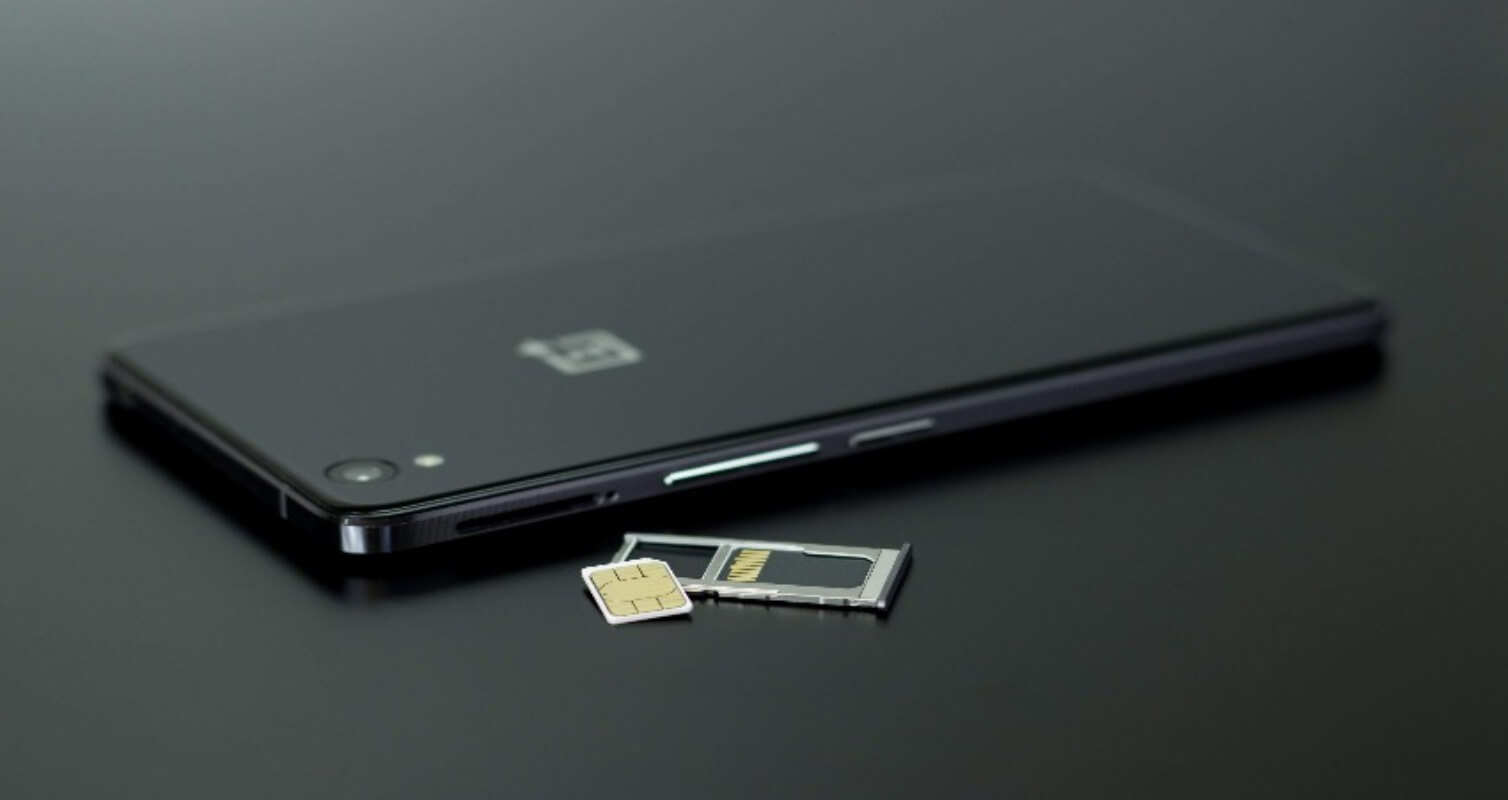
    In Macau, there are a few prepaid mobile/telephone sim card vending machine when you exit out of the Macau Ferry Terminal.

    In Hong Kong, you can buy SIM cards in Tsim Sha Tsui subway station on the Mass Transit Railway (MTR) in Hong Kong. It’s selling SIM cards for mobile phones, both the GSM and the CMDA variety (for those visiting China and wishing to have CDMA). Cards cost mostly HK $100, which is about US$13.

    Almost all Hong Kong phones are sold ‘unlocked’ meaning you can switch SIM cards at will.

    3 Hong Kong Telephone Sim Card Vending Machine
    Sim Card Vending Machine Hong Kong (Side)
    Sim Card Vending Machine Hong Kong (Detail)

    Other Vending Machine Applications

  • Vegetable Vending Machine

    Vegetable Vending Machine

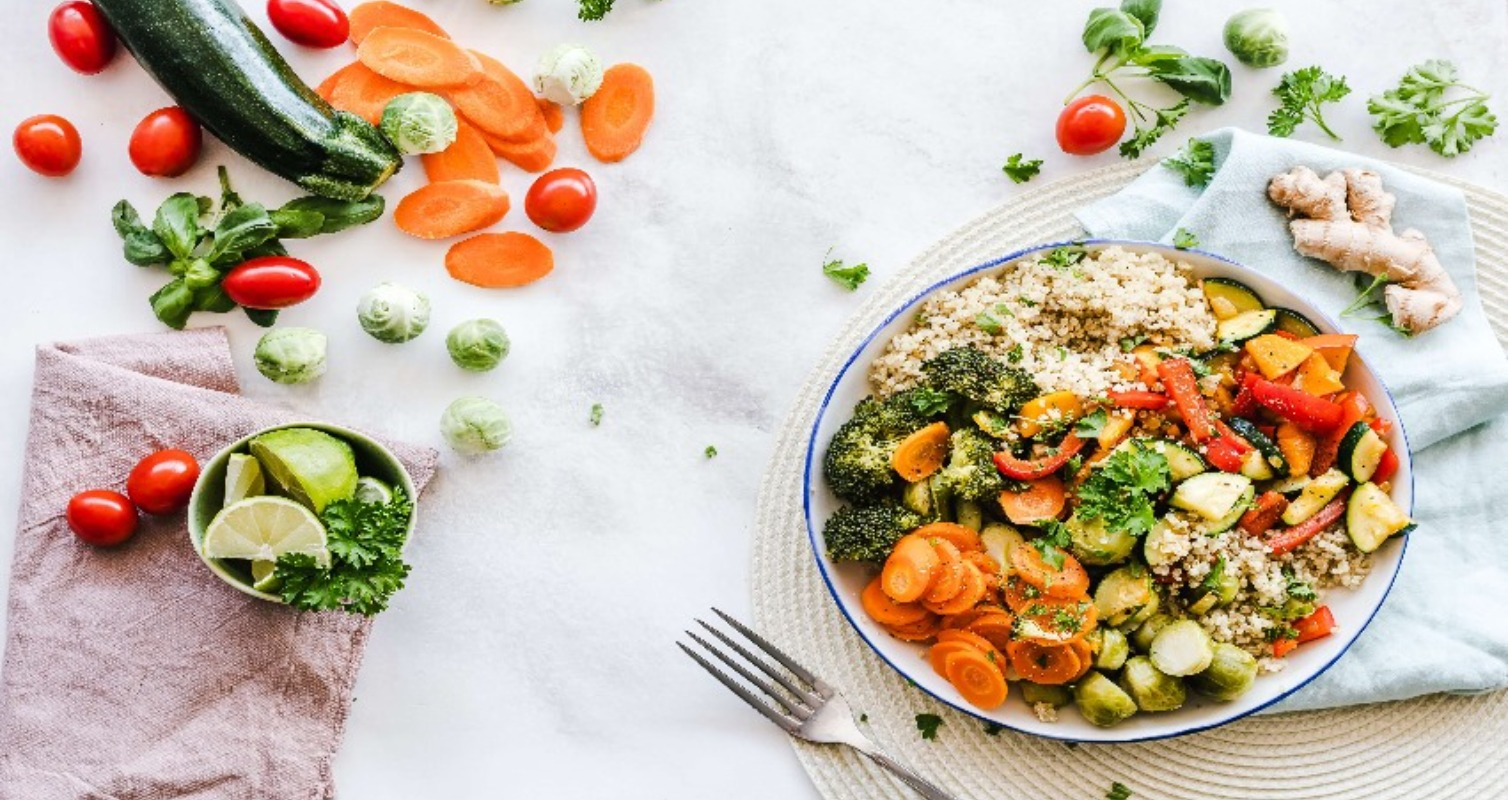
    Apart from Japan, there is a similar system set up in France. Two hundred Perspex-fronted, coin-operated compartments are crammed with organic fresh fruit, vegetables, and eggs sourced from the Île-de-France area, no more than 50 kilometres outside of the city.

    Vegetable Vending Machine

    Producers take up to 50 percent of the proceeds, a far higher cut than what offered by many supermarkets. It was made possible thanks to self-service system and minimal staff expenses.

    ‘The big distributors have killed small producers in France in the last ten years,’ explains Julian, who began Au Bout Du Champ with friend Joseph. ‘Supermarkets like Monoprix demand cheap prices for food but the fruit and vegetables are not fresh and are imported from places like South America—they’re terrible and it’s not logical. Every weekend, I go to my parent’s house for a traditional Sunday lunch and we always buy well-priced, freshly picked produce from the farmer who has a stall close to the road. In the city there is nowhere to buy such food.’

    Parent’s opinion

    ‘My mum told me it was a bad idea because when she buys vegetables, she likes to speak with the seller. She also likes to touch the tomatoes to feel if they are ready to eat,’ says Julien. ‘I understand but imagine 100 people touching your tomatoes before you buy them—it’s not hygienic.’

    A new relationship is formed!

    ‘After a month or so we noticed that because there was no specific relationship between us—the seller—and the buyer, a bond was born between the consumers,’ he adds. ‘The people entering the shop speak with one another about cooking, how the system works, and sometimes team up and divide the contents of each locker depending on what they want. It’s like a community.’

    Julien and Joseph’s automats are supplied by not just one, but four producers. The seasonal fruit and veg is sent to the shops every day, equating to about 25 to 20 percent of each farmer’s overall production. Information displayed near each automat explains the farmers’ stories and the philosophy of supporting local businesses. Thanks to the self-service operation, the shops stay open seven days a week—a rarity in Paris.

    It’s also about education and showing people how good food is grown, where it comes from, and the value of supporting local economies.

    Julian

    Other Vending Machine Applications

  • AED Vending Machine

    AED Vending Machine

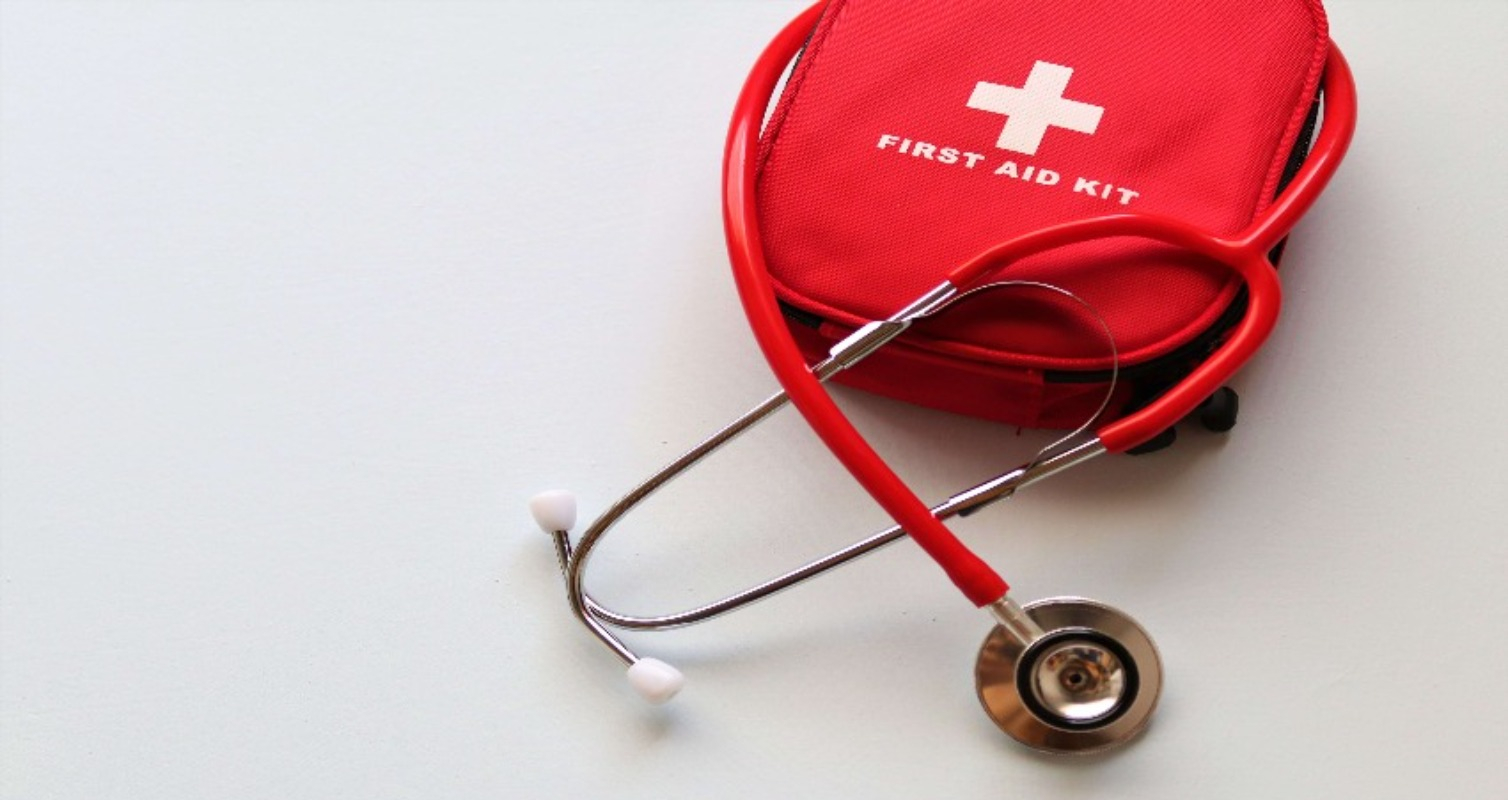
    According to an article by Alice Dordenker in The Japan Times, AEDs are now available in vending machines across Japan.

    This interesting innovation is just one of the ways in which Japan is leading the world in AED deployment, after years of being far behind.

    Alice Dordenker
    AED Vending Machine

    Her report states that AED placement is increasing rapidly in Japan, ever since rules were changed in July 2004 to allow laypersons to use AEDs. About 45,000 AEDs were placed in Japan in 2006, according to cardiologist Dr. Hideo Mitamura, AED advocate.

    A number of tragedies occurred before Japan brought its laws into line with international recommendations by allowing public access to AEDs.

    The most publicized was the death of Prince Takamado, a member of the Imperial family who collapsed in September 2002 while playing squash. Although an ambulance arrived within eight minutes, paramedics were too late to resuscitate the prince.

    Alice Dordenker

    Placing the AED in a vending machine, says Dordenker, means people are more likely to learn its location and be able to get it quickly in case of an emergency. It also saves space to put the AED into the vending machine rather than having a separate storage cabinet. Unlike other vending machine items, use of the AED is free. At the same time, there is an alarm to discourage theft.

    Laypersons in Japan are not required to have training to use AEDs, although free training is available at fire stations.

    Why AED Accessibility Matters in Japan

    • High Population Density: In cities like Tokyo and Osaka, rapid access to an AED in the first few minutes of cardiac arrest can dramatically increase survival rates—from under 10% to over 50% when used with CPR.
    • Aging Society: Japan has the world’s oldest population; cardiac emergencies are more common, making widespread AED availability a public health priority.
    • Legal & Cultural Support: Since 2004, Japan has encouraged AED deployment in public spaces. Good Samaritan laws protect bystanders who use AEDs in good faith, and public CPR/AED training is widely promoted by fire departments and schools.

    Real-World Examples

    • Train Stations: JR East and other rail operators have installed AEDs in stations—often in glass-fronted cabinets resembling vending machines—for instant access.
    • Convenience Stores: Chains like 7-Eleven, Lawson, and FamilyMart frequently house AEDs near entrances, sometimes integrated into illuminated signage that doubles as a safety beacon.
    • Rural & Remote Areas: In depopulated regions where ambulances may take 15+ minutes to arrive, AED vending-style kiosks at community centers or bus stops serve as vital first-response tools.

    Interesting facts

    • AEDs are not dangerous for a bystander rescuer or healthcare provider to use.
    • You are not at risk of being sued for using an AED on a victim. AEDs are extremely safe.

    Challenges and Innovations

    While AED vending units are effective, challenges remain:

    • Public Awareness: Not everyone knows how or when to use an AED.
    • Maintenance: Units must be regularly checked for battery and pad expiration.
    • Visibility: Some AEDs are poorly marked or placed in low-traffic corners.

    To address this, Japan has seen innovations like:

    • AED Map Apps: The Japan AED Foundation and local governments offer real-time mobile maps showing AED locations.
    • AI-Powered Kiosks: Pilot programs in Tokyo test kiosks that detect emergency calls nearby and flash lights to guide rescuers to the AED.
    • Solar-Powered Units: Deployed in parks and hiking trails for off-grid reliability.

    Conclusion

    Japan’s “AED vending machines” exemplify how the nation leverages its vending machine infrastructure not just for convenience, but for community resilience and life-saving readiness. By embedding critical medical technology into everyday public spaces—often in forms that resemble familiar drink or snack dispensers—Japan ensures that in a cardiac emergency, help is never more than a few steps away. This seamless integration of health tech into urban and rural landscapes underscores Japan’s commitment to a safe, prepared, and compassionate society.

    How to Use a Defibrillator (AED) – First Aid Training – St John Ambulance

    Other Vending Machine Applications

  • Japanese Sake Tasting Vending Machine

    Japanese Sake Tasting Vending Machine

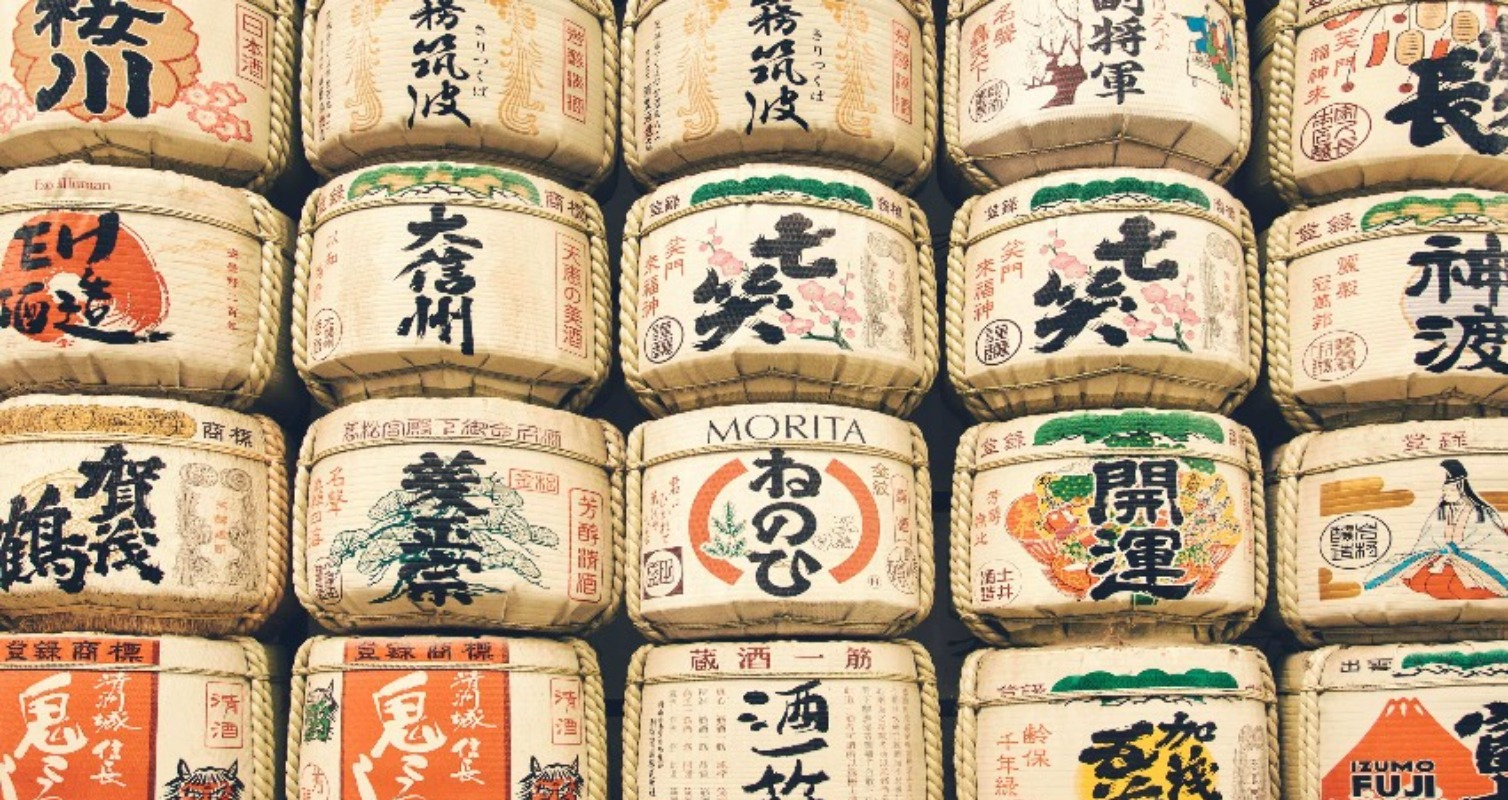
    Japan’s vending machine culture—over 5 million units nationwide, dispensing everything from hot ramen to fresh eggs—reaches peak elegance with sake tasting machines. These automated dispensers let you sample premium nihonshu (sake) by inserting a coin or token, selecting a brewery, and watching a shot pour into your cup. It’s a low-stakes way to explore regional flavors: crisp daiginjo from Niigata’s snowy fields or robust junmai from Tokyo’s urban breweries. Priced at ~100 yen (under $0.70 USD) per 30–50ml pour, they’re a budget-friendly gateway for tourists and locals alike, often in stations or shops where you can pair sips with onigiri or cheese. No bartenders needed—just pure, self-serve discovery.

    Japanese Sake Tasting Vending Machine

    How they work

    Setup: Wall-mounted rows of mini-machines (like upscale gachapon) with digital displays showing brewery info, taste profiles (e.g., fruity, dry, umami), and a tiny map pinpointing origins.

    Tasting Process: Buy a reusable cup and tokens (e.g., 500 yen for 5 pours). Place cup under the nozzle, insert token/coin, hit the button—sake flows in seconds. Machines auto-fill to prevent spills.

    Variety: Focus on local sakes; some spots offer 30–100+ brands. Labels guide newbies: “Sweet & Light” vs. “Bold & Earthy.”

    Etiquette Tip: Sip slowly—it’s tasting, not chugging. Many spots sell snacks (pickles, jerky) to cleanse the palate.


    Other Vending Machine Applications

  • Salvation Army Vending Machine

    Salvation Army Vending Machine

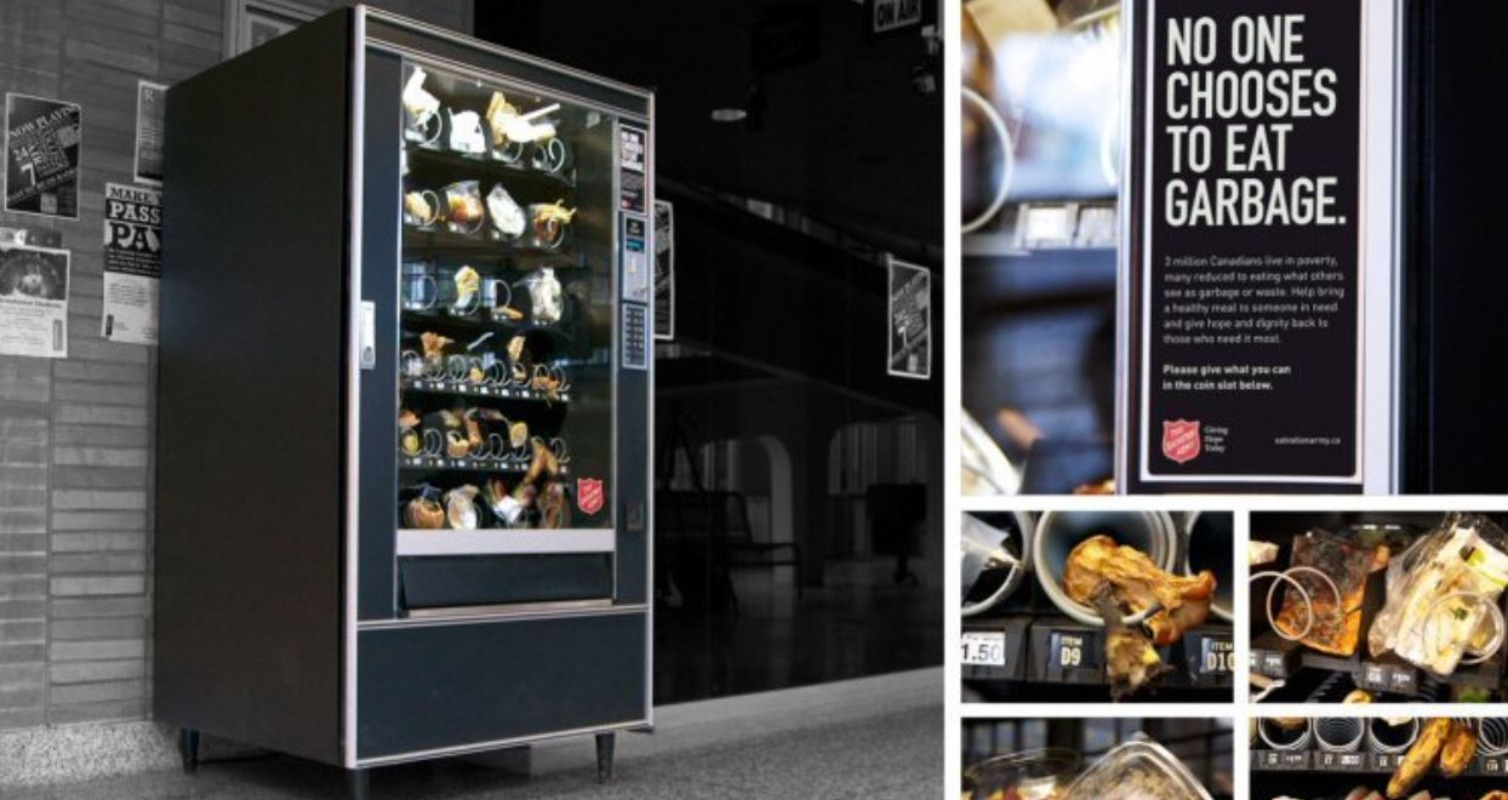
    The Salvation Army Vending Machine at the Center for Creative Communications urges Passersby to consider those less fortunate.

    While most vending machines are filled with tempting treats like chips, candy and chocolate bars. This machine houses rotting fruit and half-eaten snacks, to reminds passersby that although no one chooses to eat garbage, it’s an everyday reality for many.

    Stephanie Nerlich, President, GREY Canada

    Synthetic food waste is not dispensed from the machine, but staff and students have the option to donate money to the Salvation Army. The ultimate goal is to raise awareness that many go hungry and are reduced to eating waste. A donation to the Salvation Army helps provide healthy meals to those who need it the most.

    The Salvation Army’s vending machine asks student to consider how it feels when the freedom to choose what they eat is removed. Many reduced to eating what others see as garbage or waste. Help bring a healthy meal to someone in need and give hope and dignity back to those who need it most.

    Nate Horowitz, Dean, Centre for Creative Communications at Centennial College

    Other Vending Machine Applications

  • Large Football Vending Machine

    Large Football Vending Machine

    What is the purpose of this performance media project?

    The aim is to make people feel the Joy of the city. Every city grows with good ideas.

    Is the audience participatory or observational?

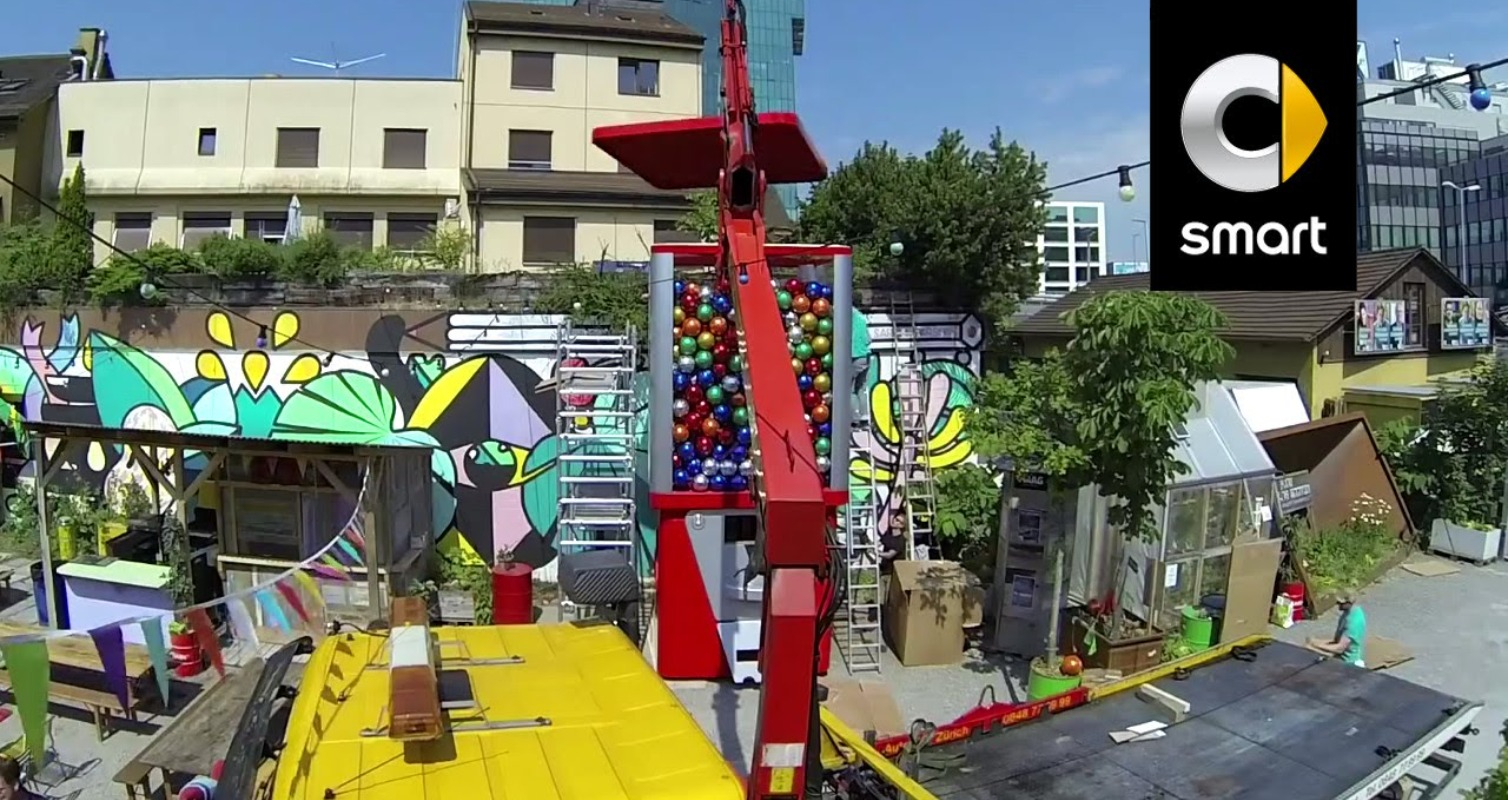
    This experiment was audience participatory. In Zurich summer 2014 during the European Athletics Championships, the city was flooded with footballs from different brands.

    Why is this performance media project effective?

    This is because it’s modern and unique idea by having a huge bubblegum machine filled with football to spread positive energy to the public inspired by the city joy project.


    Other Vending Machine Applications

  • Printer Ink Cartridge Vending Machine

    Printer Ink Cartridge Vending Machine

    Canon is the first in Hong Kong to install “genuine consumables vending machines” in MTR stations and shopping malls to serve customers better. Simply press a button to choose the right paper or ink and pay with Octopus Card, it is simple and convenient! A toner cartridge collection box is set next to each machine, users can help to save the earth at the same time.

    To further facilitate users, Google Map offers search aids for locating Canon’s vending machines. Inputting the keyword “Canon ink” and the locations will be shown instantly in details, making original ink and photo papers purchase trouble-free!

    Vending Machine selling Printer Ink Cartridge

    Other Vending Machine Applications

  • Stamp Vending Machine

    Stamp Vending Machine

    Stamp vending machines offer a convenient solution for purchasing postage stamps without the need to visit a post office counter. These machines are especially useful in locations where post offices may have limited hours or are not conveniently located.

    Key Features:

    1. Variety of Stamps: Stamp vending machines can dispense a range of postage stamps suitable for different needs, such as standard letters, large envelopes, or parcels. Some machines also offer themed or commemorative stamps, which might be of interest to collectors.
    2. Location Flexibility: Stamp vending machines can be placed in various public locations, such as shopping centers, train stations, airports, and post office lobbies. This placement ensures accessibility even outside regular post office hours.
    3. Self-Service Kiosks: Some advanced stamp vending machines function as self-service postal kiosks, offering additional services beyond just selling stamps. These may include weighing packages, calculating postage, printing shipping labels, and accepting parcels for mailing.

    Benefits:

    • Convenience: Provides easy access to stamps at any time, eliminating the need to wait in line at a post office.
    • Accessibility: Extends postal service availability beyond regular business hours, benefiting those with busy schedules or needing postal services outside normal operating hours.
    • Efficiency: Reduces the workload on post office staff by handling routine transactions, allowing them to focus on more complex customer service tasks.

    Examples and Usage:

    • Post Office Lobbies: Many post offices have stamp vending machines in their lobbies to serve customers outside of business hours.
    • Public Spaces: Airports, train stations, and shopping malls often house stamp vending machines to cater to travelers and shoppers who might need to send mail unexpectedly.

    Stamp vending machines exemplify how automation can enhance traditional services, making them more accessible and convenient for the general public. By providing essential postal services around the clock, these machines help meet the diverse needs of communities efficiently.


    Other Vending Machine Applications