Author: Editoral Team

  • Cooling power-free vending machine

    Cooling power-free vending machine

    Coca-Cola (Japan), together with Fuji Electric Retail Systems have succeeded in developing the “A011”peak-shift vending machine. This vending machine, developed as part of the Apollo ultra-energy-saving vending machine development project, can operate without using power for cooling up to 16 hours per day.

    The successfully developed peak-shift vending machine shifts use of power for cooling from the usual peak mid-day to the night time, when there is a relative surplus power capacity.

    In conventional vending machines, the temperature in the machine would rise slowly if cooling was stopped for long periods of time since only a portion of the products stored inside of it were cooled in response to sales in order to limit electricity consumed. However, in the peak-shift vending machine, all products stored are cooled during night time when there is relatively more power available.

    In addition, by using more vacuum insulation materials, insulation has improved and the machine is not affected as much by outside temperature.

    In preparation for full-fledged market launch, the peak-shift vending machine will be field tested until the end of August in Saitama Prefecture’s Kumagaya City and Gifu Prefecture’s Tajimi City, the hottest regions in Japan.

    After verifying the new model’s performance, Coca-Cola said it will work to maximize their peak-shift functionality, extending the amount of time they can go without using power for cooling during time slots when power is generally in short supply.

    Since the Great East Japan Earthquake in 2011, Coca-Cola Japan has been implementing specific round-robin cooling suspension measures in its vending machines in all areas except Okinawa Prefecture, cutting power usage by 15%.

    All newly purchased can and PET vending machines have been HFC-free since 2011, and LED lighting is being used in all vending machines since 2012.


    Other Vending Machine Applications

  • Hospital’s library book vending machine

    Hospital’s library book vending machine

    A pioneering partnership between Warwickshire County Council and the hospital is making library books available around the clock for patients, visitors and staff.

    Warwickshire Libraries have installed a library book vending machine by the pathology unit, an area of high footfall, effectively taking the library to those who are unable to get to a library building.

    The vending machine holds around 400 books, operates 24 hours a day and is available for use by any members of Warwickshire Libraries. It is the first vending machine of its kind in the UK to be placed in a community venue.

    George Eliot Hospital has a workforce of 1,800 staff and around 245,000 patients a year.  Many of them will have difficulties going to a library building whilst working or staying in the hospital.

    Similar schemes have been set up in Sweden, the Netherlands and in California but these are primarily at shopping centres and railway stations. The only other example in the UK is housed outside Newcastle Library.

    The machine is activated by scanning a library card and scrolling down the touch screen using simple commands to choose and borrow a book and take a receipt.  Books can also be returned and, like borrowing, the process takes a matter of seconds.

    Each partner has had different roles to fill.  The county council purchased the machine and oversaw its installation.  It will provide stock and membership cards.  George Eliot Hospital provided the suitable location and access to network links in the building.  Its volunteers will undertake the day to day operations alongside library staff.

    The machine was custom-built for the hospital and had to be linked to the library management system and borrower records, requiring a dedicated high-speed internet link.

    Cllr Colin Hayfield, portfolio holder for customers, access and physical assets, said:  ‘There is a growing evidence that reading can play an integral part not only in well-being but also in recovering from illness.  This partnership will make books available to people who need this benefit but would not be able to get them.’

    George Eliot Hospital’s Chief Executive, Kevin McGee, said: “We’re delighted to be working with Warwickshire County Council to bring this innovative new service to our patients, visitors and staff. It will be especially beneficial to our patients, helping to make their stay in hospital more comfortable.”


    Other Vending Machine Applications

  • Peak-Shift Vending Machine wins Award

    Peak-Shift Vending Machine wins Award

    In 2013, Fuji Electric Co., Ltd. received significant recognition at Japan’s Energy Conservation Awards—a prestigious national program organized by the Ministry of Economy, Trade and Industry (METI)—for its innovative eco-friendly vending machine technology. This award highlighted Fuji Electric’s leadership in reducing energy consumption in one of Japan’s most ubiquitous retail fixtures: the automatic vending machine.


    🏆 The 2013 Energy Conservation Awards (Energy Conservation Grand Prize)

    The Energy Conservation Awards (also known as the Energy Conservation Center, Japan or ECCJ Awards) honor businesses, organizations, and individuals that demonstrate outstanding achievements in energy efficiency and CO₂ reduction. In 2013, Fuji Electric was awarded the “Energy Conservation Grand Prize (Product/Technology Category)” for its next-generation energy-saving vending machine system.

    This recognition came at a critical time:

    • Following the 2011 Fukushima nuclear disaster, Japan accelerated its push for energy conservation and reduced dependence on fossil fuels.
    • With over 4 million vending machines consuming an estimated 1–2% of Japan’s total electricity, even small efficiency gains had national impact.

    🌱 Fuji Electric’s Award-Winning Vending Machine Innovations

    Fuji Electric’s winning technology wasn’t a single machine—but an integrated suite of energy-saving features deployed across its vending fleet, including:

    1. Hybrid Cooling/Heating System

    • A single unit could simultaneously cool cold drinks and heat hot drinks using a shared heat-exchange loop.
    • Waste heat from the refrigeration cycle was repurposed to warm beverages—cutting energy use by up to 40% compared to conventional dual-system machines.

    2. LED Lighting & Smart Sensors

    • Replaced fluorescent lights with low-power LEDs.
    • Added motion and ambient light sensors to dim displays at night or in low-traffic areas.

    3. “Eco Mode” with Real-Time Grid Response

    • Machines could temporarily reduce power during peak grid demand (e.g., summer afternoons) without compromising product temperature—thanks to advanced insulation and thermal storage.

    4. Solar-Powered Models

    • Piloted standalone solar vending machines in rural and coastal areas, operating entirely off-grid.

    5. Remote Monitoring & AI-Based Optimization

    • Each machine transmitted energy data to a cloud platform, allowing operators to optimize settings by location, season, and usage patterns.

    📊 Impact & Scale

    By 2013, Fuji Electric had deployed over 200,000 energy-efficient vending machines across Japan, primarily for clients like Coca-Cola Japan, Suntory, and JR East. METI estimated that widespread adoption of Fuji Electric’s system could:

    • Save over 100 GWh of electricity annually
    • Reduce CO₂ emissions by ~50,000 tons per year
      (Equivalent to planting 7 million trees)

    National Significance

    The 2013 award underscored Japan’s broader “Setsuden” (energy-saving) movement, where even everyday infrastructure was reimagined for sustainability. Vending machines—long symbols of convenience—were transformed into frontline tools of national energy policy.

    Fuji Electric’s success also inspired competitors like Sanden and Dyflon to accelerate their own eco-designs, raising industry standards nationwide.


    Legacy

    Fuji Electric’s 2013 award-winning vending platform became the blueprint for Japan’s modern “eco-vending” standard. Today, over 90% of new vending machines in Japan incorporate similar hybrid systems, LED lighting, and smart controls—proving that innovation in mundane technology can drive macro-level environmental change.

    🥤 Fun Fact: A single Fuji Electric eco-vending machine saves enough energy annually to power a typical Japanese household for 2–3 months.


    Other Vending Machine Applications

  • Vodka Vending Machine

    Vodka Vending Machine

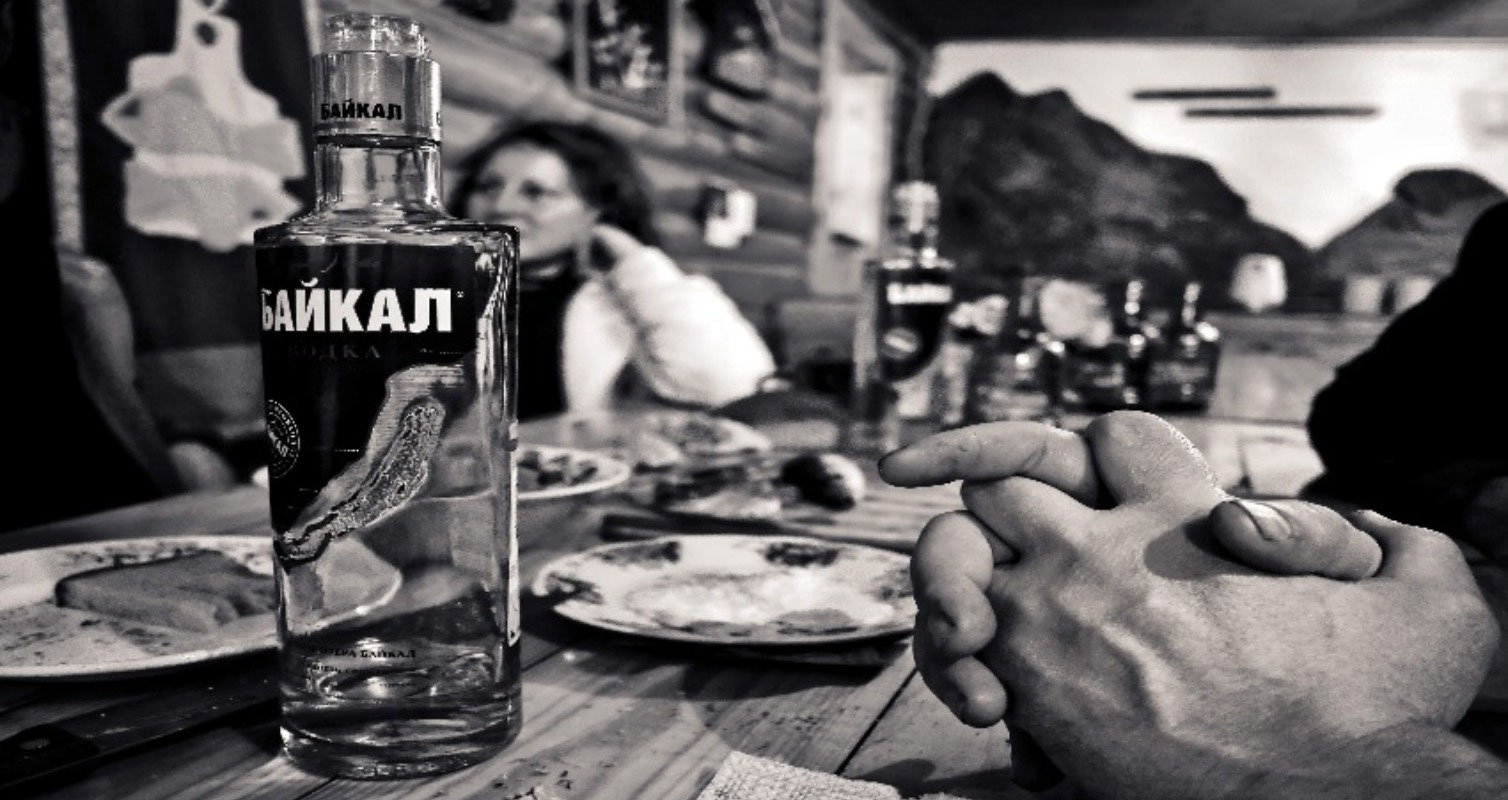
    in 2013, a cheeky entrepreneur in the Ukrainian city of Melitopol jerry-rigged a standard coffee vending machine into an illicit vodka shot dispenser right in the bustling town center—turning morning caffeine cravings into impromptu happy hours. Dubbed the “wonder machine” by locals, it became a short-lived symbol of Ukraine’s underground booze economy before tax authorities shut it down. Here’s the spirited story:

    What It was

    • The Hack: The machine, originally designed for hot coffee, was modified to pour 50ml shots of vodka (neat, as per Eastern European tradition) for about 8 hryvnia (~$1 USD at the time). For an extra coin, it dispensed fruit juice mixers like orange or apple to whip up quick cocktails—think a DIY screwdriver straight from the spout.
    • Payment and Access: It accepted coins and banknotes, operating 24/7 like any street vendor, but with a boozy twist. No ID checks, no fuss—just insert money and select your poison.
    • Purpose (or Lack Thereof): Likely a black-market side hustle amid Ukraine’s rampant illegal alcohol trade, where experts estimated 35% of vodka sales in 2012 were unregulated. It catered to pedestrians, workers, and the curious, offering a “pick-me-up” far stronger than espresso.

    When and Where

    • Timeline: Surfaced in early September 2013, drawing crowds immediately. By mid-month, state TV (UT1) exposed it, prompting a swift investigation. Tax inspectors seized the machine and hunted its anonymous owners, but no arrests were publicly reported—classic cat-and-mouse in Melitopol’s gray economy.
    • Location: Plunked down in the heart of Melitopol, a mid-sized city in the Zaporizhzhia Oblast (southeastern Ukraine, near the Sea of Azov). Think central square or pedestrian zone—prime real estate for impulse buys, far from any bar’s prying eyes.

    Impact and Aftermath

    This DIY dispenser went viral in global media for its audacious ingenuity, blending Soviet-era resourcefulness with modern vending woes


    Other Vending Machine Applications

  • Calorie info coming to vending machines

    Calorie info coming to vending machines

    Office workers in search of snacks will be counting calories along with their change under new labeling regulations for vending machines.

    Requiring calorie information to be displayed on roughly 5 million vending machines nationwide will help consumers make healthier choices, says the Food and Drug Administration, which is expected to release final rules early next year. It estimates the cost to the vending machine industry at $25.8 million initially and $24 million per year after that, but says if just .02 percent of obese adults ate 100 fewer calories a week, the savings to the health care system would be at least that great.

    While the proposed rules would give companies a year to comply, the industry group has suggested a two-year deadline and is urging the government to allow as much flexibility as possible in implementing the rules. Some companies may use electronic displays to post calorie counts while others may opt for signs stuck to the machines.

    Even without the calorie counts, consumers already have ways to make healthier choices from vending machines. The vending machine industry group launched its “Fit Pick” system, which includes stickers placed in front of products that meet healthy guidelines for fat and sugar content. The program is used by nearly 14,000 businesses, schools and government agencies, as well as all branches of the military.


    Other Vending Machine Applications

  • ‘Kindle Kiosk’ vending machine

    ‘Kindle Kiosk’ vending machine

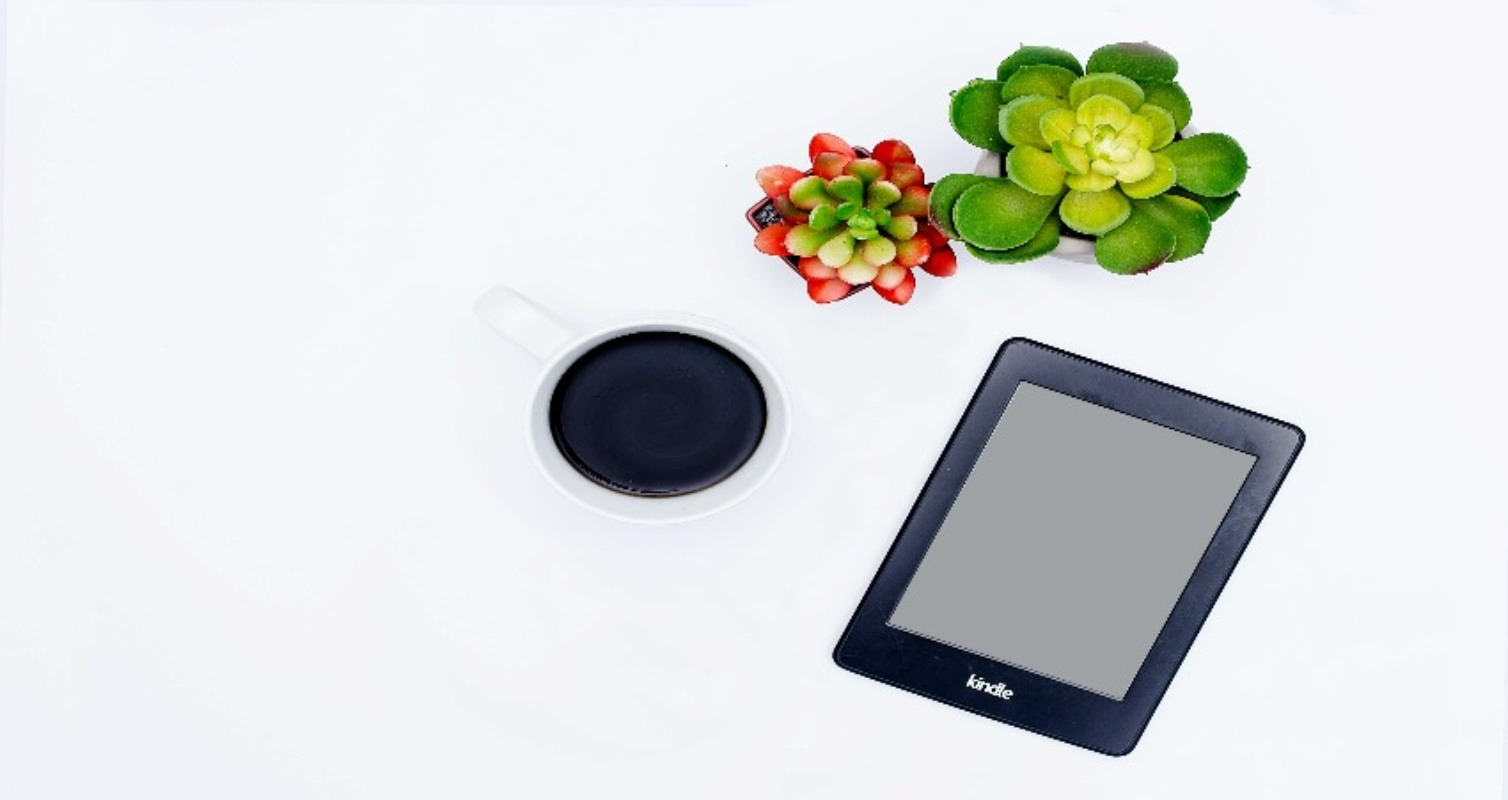
    Amazon, the company that defined the world of online commerce, is venturing further into the world of physical retail — experimenting with standalone, automated ‘Kindle Kiosk’ vending machine in selected airports and shopping malls.

    The machines sell everything from the $379 Kindle Fire HDX to a $20 Kindle PowerFast adapter, in addition to Kindle e-readers and covers.

    ‘Kindle Kiosk’ vending machine

    Amazon’s stealthy experiment started rolling out in November, according to an Amazon customer service representative.

    We’re very happy with the customer response so far, and are excited to give customers another easy way to purchase accessories and also Kindle products

    Amazon Spokesperson

    The experiment signals the company’s desire to expand beyond online sales and third-party retail stores, directly selling its hardware and accessories in physical locations.

    Final thought

    Tech companies such as Apple and Microsoft have ventured into physical retail with splashy stores, but it’s no surprise that Amazon — with its low margins and love for automation — would instead try a vending machine. It’s not clear how many people will feel comfortable purchasing something as expensive as a $379 tablet from a vending machine. But at $69, the standard Kindle e-reader could be an impulse buy for someone preparing for a long flight.


    Other Vending Machine Applications

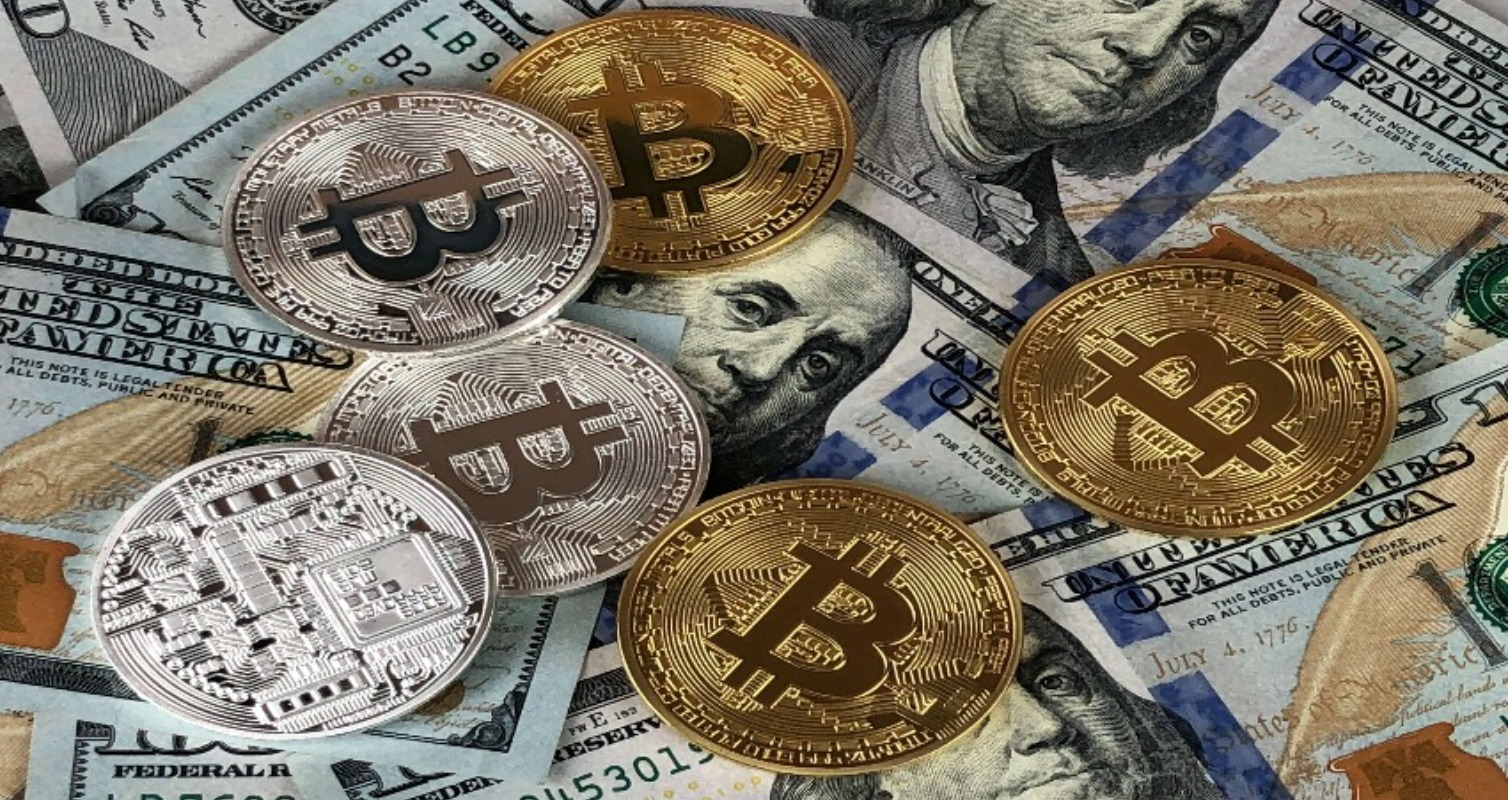
  • First U.S. Bitcoin Vending Machine

    First U.S. Bitcoin Vending Machine

    Not tech-obsessed San Francisco or New York has claimed the title of first city to install an operational Bitcoin vending machine in the U.S.

    The machine is up and running, as of Tuesday, at a cigar shop called Imbibe near the University of New Mexico, according to an announcement by Lamassu, the machine’s manufacturer. The vending machine allows people to insert cash and gives a digital stash of the increasingly popular cryptocurrency.

    Bitcoin Vending Machine

    This is my current contribution to advancing Bitcoin into the mainstream,” Eric Stromberg, owner of the Albuquerque Bitcoin vending machine said.

    Though the machines have been hailed as Bitcoin “ATMs” Lamassu eschewed the term in favor of “vending machine” since the device does not function like a true ATM in that it doesn’t dispense cash.

    A true Bitcoin ATM might not be far behind, though.

    Robocoin, a Las Vegas-based company that installed its first Bitcoin ATM in Vancouver last year, has said it intends to install the first U.S. Bitcoin ATMs later this month.

    The Robocoin machines allow for both cash-to-Bitcoin and Bitcoin-to-cash transactions.  Prospective Bitcoin vending machine operators have been trying to bring the devices to other cities, such as New York and San Francisco, but they’ve faced regulatory hurdles.

    Albon, a San Francisco resident, has been in possession of a Lamassu vending machine for about a month, but he has not been able to deploy it thus far. He said California requires a $250,000 bond to operate the machine, in addition to a prohibitively strict anti-money laundering program.


    Other Vending Machine Applications

  • Raw Milk Vending Machine

    Raw Milk Vending Machine

    Raw milk vending machine is drawing plenty of European customers and increasing amount of envy from raw milk advocates in the United States.

    Europe’s embrace of raw milk vending machines isn’t new. Such daring dispensers of unpasteurized dairy can be found in France, Croatia, Switzerland, Austria, the Netherlands and all over the place in Italy.

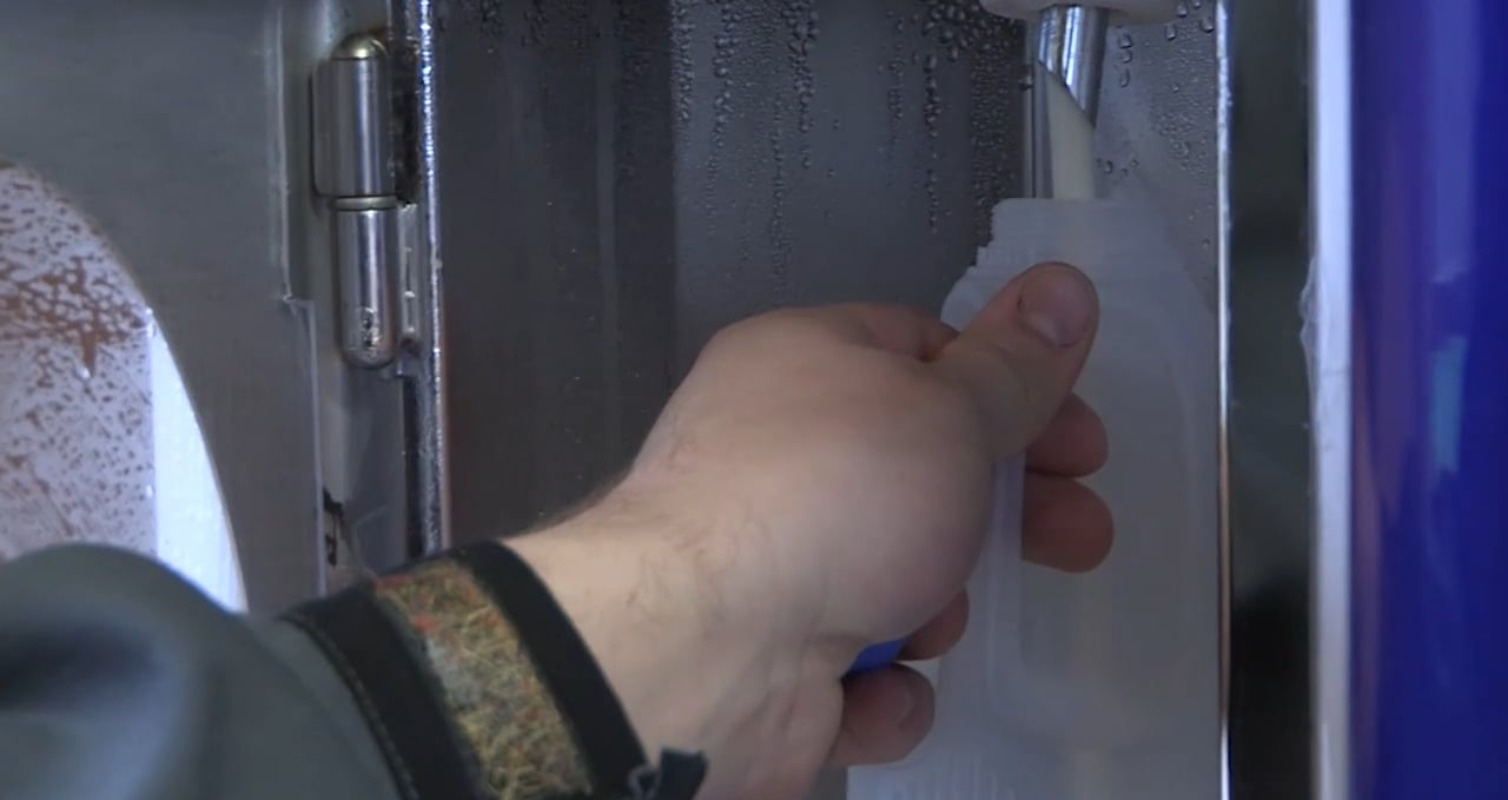
    In Solvenia, local dairy farmer Marko Bitenc refills his machine with fresh milk once a day. Because he owns and operates the machine, there is no middle man between farmer and consumers — just a few buttons and a spout.

    If the milk rises above a certain temperature set by the Slovenian Administration for Food and Safety, sales stop and Bitenc’s phone buzzes with a text message alert. A UV light sterilizes the milk spout between purchases.

    At North America

    Seven states in America and all of Canada ban the sale of raw milk due its potential to carry a range of harmful diseases such as listeria. In other states, selling raw dairy products requires dairy farmers and sellers to navigate a tricky set of regulations. A misstep can lead to dramatic SWAT-style raids, court cases and even jail time.

    But raw milk advocates don’t see Europe’s vending machines as a way to eliminate the risks. Rather, they would like the chance to assume those risks and enjoy the taste of raw milk at the press of a button.


    Other Vending Machine Applications

  • Milk vending machine in Nottingham

    Milk vending machine in Nottingham

    A Nottinghamshire dairy farm has installed a fresh milk vending machine at the end of its drive to bring customers fresher produce.

    New Holbeck Farm, near Southwell, decided to invest in the technology after falling UK milk prices left some farms saying they were being paid less per litre than it costs them to produce the liquid.

    The farm is behind the Real Milk Company and is on the way to obtaining organic farm status.

    Milk from the machine costs £1 a litre and comes straight from the farms cows. It is pasteurised before sale and the machine can also steam cleans itself after every use.

    Farmer Tom Sharman said: “We decided that after being fed up with being paid such low prices for milk, we needed to do something about it.

    We researched into milk vending machine which is very popular in Europe and we found a distributor – another dairy farmer from Norfolk – who had one to sell his raw milk and so I spoke to him and arranged one for our own.”

    Fun context

    This setup revives the milkman era while cutting out middlemen, letting farmers earn fairer prices. It’s popular with locals for its taste (“like milk should”) and community feel—visitors often spot walkers popping by. Part of a UK trend (hundreds of milk machines now), but this one’s a Nottinghamshire gem amid rolling countryside.


    Other Vending Machine Applications

  • Alcohol vending machines for Friday night

    Alcohol vending machines for Friday night

    Buying a beer could be as easy as pressing a button of alcohol vending machines after this legislative session.

    Rep. Richard Raymond (D-Laredo) is working to legalize the sale of alcohol in vending machines at certain establishments licensed for the on-premise consumption of alcohol. Vice chair Roland Gutierrez (D-San Antonio) laid out the bill at a hearing for the bill Monday.

    Customers would present their IDs to the establishment’s staff and receive a wristband to verify that the consumer is over 21 years old, Gutierrez said.

    ‘The customer must present an employee of the establishment with a valid ID, which is scanned into a database and tied to a customer’s credit card,” Gutierrez said. “The customer is then given a uniquely encoded wristband to access the machine.’

    The bands would track the amount of alcohol consumed by a bar patron and limit alcohol intake. Vending machine users would be cut off after 30 ounces of beer, 10 ounces of wine or three ounces of liquor, Gutierrez said.

    The standard drink is 12 ounces of beer, five ounces of wine and about one-and-a-half ounces of liquor.

    ‘The automated dispensing machine system benefits businesses by reducing overhead and staff costs, allowing for easier management of inventory, strictly controlling customers’ consumption and guarding against underage drinking,’ Gutierrez said.

    According to advertising junior Kara Endahl, vending machines could be more convenient at a crowded bar.

    ‘I think it would save a lot of time because the lines at bars get so long, especially if there’s a big game going on,’ Endahl said. ‘I know last time we were waiting for, like, 30 minutes for a beer.’


    Other Vending Machine Applications